


Introduction
A used car rarely comes with a full account of its past, which is exactly why inspecting one properly before you buy matters so much. Inspecting a used car reduces the risk of unexpected repairs because it surfaces problems like worn brakes, hidden accident damage, an overdue timing belt before they become the new owner's financial responsibility rather than the seller's.
But knowing what to look at is only half the challenge; the other half is knowing what separates a well-maintained vehicle from a neglected one, since a clean-looking car can still hide inconsistent servicing, unresolved MOT advisories, or mileage that doesn't match its wear. Getting this right comes down to focusing on the vehicle components that deserve the closest inspection — the bodywork, the engine bay, the mileage record, and the paperwork that ties them all together. This article walks through exactly what to check, what questions to ask, and what mistakes to avoid before you commit to buying.
Why Is It Important to Inspect a Used Car Before Buying?
Inspecting a used car before purchase is the single biggest factor separating a confident buying decision from a costly gamble. Sellers aren't always aware of every issue with their own car, and some issues are simply easier to hide than others without a proper check. A thorough inspection shifts the balance of information back toward the buyer.
- It Reveals Problems That Aren't Visible in Photos or Listings: Online listings are written to sell the car, not to flag every fault, so an in-person inspection is often the first point at which real issues become visible.
- It Protects Against Inheriting Someone Else's Deferred Maintenance: A car that looks fine on the surface can still have overdue services, worn components, or unresolved MOT advisories that become the new owner's problem the moment the sale completes.
- It Gives Buyers Leverage to Negotiate a Fairer Price: Identifying a genuine fault or upcoming cost during inspection is one of the most effective ways to justify a lower offer, rather than accepting the asking price at face value.
- It Reduces the Chance of Buying a Car With Hidden Legal or Financial Issues: Combined with paperwork and history checks, a physical inspection helps confirm the car is what it claims to be, rather than relying purely on the seller's word.
What Documents You Should Look for?

Paperwork tells a used car's story in a way that a visual inspection alone cannot, covering ownership, legal status, and maintenance history. Missing or inconsistent documents are one of the clearest warning signs a buyer can act on. Checking these before agreeing to buy prevents both legal complications and unpleasant surprises.
- The V5C Registration Certificate (Logbook): This confirms the registered keeper and vehicle details, and the VIN on it should match the VIN on the car itself; a logbook that looks freshly issued or a seller who's reluctant to show it are worth questioning further.
- A Full Service History: Whether it's a stamped service book or digital records, this shows whether the car has been maintained at the manufacturer's recommended intervals, and any long gaps should be asked about directly.
- MOT History and Current Certificate: This provides a documented record of past mileage, test results, and advisories, which can be cross-checked for free using the GOV.UK MOT history checker.
- Proof of the Seller's Identity Matching the V5C: If the seller's name doesn't match the registered keeper, there may be a legitimate reason, but it's a detail worth clarifying before proceeding with a purchase.
- Receipts for Major Repairs or Replacement Parts: Invoices for things like a new clutch, timing belt, or suspension work help confirm claims made verbally by the seller and give a clearer picture of the car's mechanical condition.
What to Look for in Interior and Exterior?
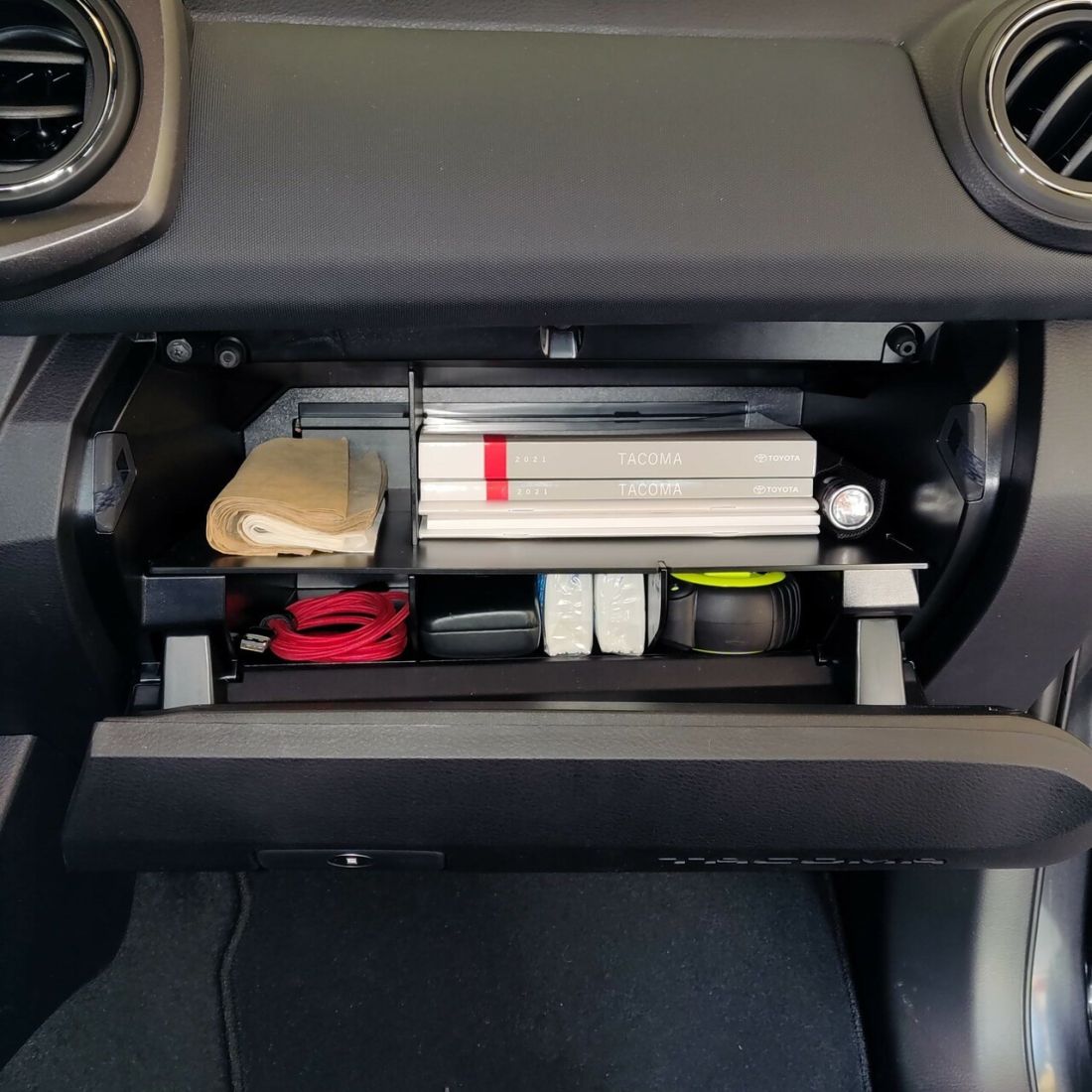
The interior and exterior of a used car offer some of the most immediate, hands-on clues about how well it's been looked after. These checks don't require mechanical expertise, just a careful and unhurried look in good lighting. Together, they help confirm whether the car's overall condition matches its age, mileage, and asking price.
- Panel Gaps and Paint Consistency: Uneven gaps around doors, the bonnet, or boot, along with colour mismatches between panels, can indicate a previous collision repair rather than an original factory finish.
- Rust and Corrosion in Wheel Arches and Sills: These areas are common starting points for rust, and patches of fresh underseal in isolated spots can sometimes be an attempt to disguise corrosion rather than genuine maintenance.
- Tyre Condition and Wear Pattern: Uneven wear across the tread, especially concentrated on one edge, can point to suspension or alignment issues that may carry a repair cost down the line.
- Interior Wear Versus Claimed Mileage: Worn pedal rubbers, a shiny steering wheel, or a sagging driver's seat bolster should broadly match the mileage on the odometer; heavy wear alongside a low mileage claim is a mismatch worth investigating.
- Dashboard Warning Lights and Electrical Functions: Every warning light should illuminate briefly on start-up and then clear, and all windows, mirrors, and seat adjustments should be tested individually rather than assumed to work.
- Damp Smells or Discoloured Carpets: These can point to water ingress from a worn door or window seal, or in more serious cases, previous flood damage that hasn't been disclosed.
What Signs Suggest a Used Car Has Been Poorly Maintained?
Some warning signs point specifically to neglect rather than simple age-related wear, and recognising them early can save a buyer from a car with ongoing hidden costs. These signs often appear in combination rather than isolation. Spotting even one or two should prompt a closer, more skeptical look at the rest of the car.
- Repeated MOT Advisories for the Same Issue: The same corrosion or suspension advisory appearing across several consecutive tests suggests it was flagged but never actually addressed by the previous owner.
- Inconsistent or Missing Service Records: Long unexplained gaps in the service history, or a complete absence of any records on an older car, suggest maintenance may have lapsed at some point in the car's life.
- Fluid Leaks or Discoloured Fluids Under the Bonnet: Milky oil, low coolant, or visible leaks under the car are signs that routine checks and top-ups haven't been kept on top of.
- Mismatched Tyres or Heavily Worn Brakes: A set of mismatched, budget, or unevenly worn tyres, combined with worn brake discs or pads, often points to a car that's been run on a minimal-spend basis rather than properly maintained.
- Strong Air Fresheners or Valeting Smells Masking Odours: An overpoweringly fresh-smelling interior can sometimes be used to cover up damp, smoke, or other odours that would otherwise raise questions.
- General Cosmetic Neglect Alongside Claims of Good Mechanical Condition: A dirty engine bay, scuffed interior trim, or grime build-up doesn't guarantee mechanical problems, but it does suggest a level of general care worth weighing against any claims of meticulous maintenance.
What Should You Look for During a Test Drive?

A test drive is where paperwork and visual checks get put to the real-world test, since some faults only reveal themselves once the car is moving. A short drive around the block is rarely long enough to catch intermittent issues. A longer, varied route across different road types and speeds gives a much clearer picture of the car's true condition.
- Braking Performance in a Straight Line: The car should come to a stop smoothly without pulling to one side, vibrating, or making unusual noise, any of which can point to worn or warped brake components.
- Steering Response and Stability at Speed: Persistent pulling to one side or vibration through the steering wheel can indicate wheel alignment or balancing issues that weren't obvious while stationary.
- Noises Over Bumps and Uneven Road Surfaces: Knocking or clunking sounds when going over speed humps or potholes often point to worn suspension components, which are a common issue on higher-mileage cars.
- Clutch and Gear Engagement (Manual Cars): The clutch should bite smoothly and consistently, and every gear should engage without grinding or hesitation; a high or inconsistent bite point can signal a clutch nearing the end of its life.
- Engine Noise Under Acceleration: Knocking, whining, or rattling sounds when accelerating can range from a minor belt issue to a more serious internal engine problem, and are worth raising immediately if noticed.
- General Drivability Over a Varied Route: Testing on motorway-speed roads, roundabouts, and stop-start traffic gives a far more complete picture than a single short loop around the seller's street.
What Questions Should You Ask the Seller?
The right questions can surface information that isn't visible in the listing, the paperwork, or even the car itself. A seller's answers — and how confidently they're given — are often as revealing as the content of the answers. These questions work best asked directly and specifically, rather than as general conversation.
- Why Are You Selling the Car?: A straightforward answer (upgrading, family changes, financial reasons) is reassuring, while vague or inconsistent answers may be worth probing further.
- Has the Car Ever Been in an Accident or Had Bodywork Repairs?: This gives the seller a chance to disclose repair history voluntarily, which can then be checked against the paperwork and a physical inspection for consistency.
- Is There Any Outstanding Finance on the Vehicle?: While this should also be confirmed independently via a paid history check, asking directly gives an early indication of the seller's transparency.
- Can I See the Full Service History and MOT Certificates?: A seller's willingness (or reluctance) to produce these documents on request is often as telling as what the documents themselves show.
- Has Any Major Work Been Done Recently, Such as a Timing Belt or Clutch Replacement?: This helps establish whether big-ticket maintenance items are up to date or likely to be due shortly after purchase.
- Are There Any Known Faults or Warning Lights I Should Be Aware Of?: Directly asking this shifts some responsibility onto the seller to disclose known issues, which can matter later if a dispute arises.
What Legal Checks Should You Complete Before Buying?

Legal checks confirm that a car is what it claims to be and that the buyer isn't taking on hidden risks tied to its ownership or history. These checks are inexpensive and quick relative to the financial exposure they prevent. They should be treated as a mandatory step rather than an optional extra, regardless of how trustworthy a seller seems.
- A Full HPI or Vehicle History Check: This confirms whether the car has outstanding finance, has been reported stolen, or has been written off by an insurer, all of which carry serious financial and legal consequences if undisclosed.
- Free MOT and Vehicle Tax Checks via GOV.UK: These confirm current tax and test status and provide a documented mileage history that can be cross-checked against the odometer and service records.
- VIN Verification Against the V5C: Confirming the VIN on the car matches the VIN on the logbook (and appears consistently in all locations on the vehicle) helps rule out cloned or fraudulently re-registered vehicles.
- Confirmation of the Registered Keeper's Identity: Checking that the seller's details align with the V5C, or understanding why they don't, helps avoid disputes over legal ownership after the sale.
- Awareness of Buyer Rights Based on Seller Type: Understanding whether you're protected under the Consumer Rights Act 2015 (dealer) or operating under "sold as seen" terms (private seller) shapes how much additional caution to apply during the rest of the process.
Which Mistakes Do Buyers Commonly Make?
Even careful buyers can fall into a few recurring traps, often driven by time pressure, emotional attachment to a specific car, or simple unfamiliarity with what to check. Recognising these mistakes in advance makes them far easier to avoid. Most stem from skipping a step rather than a lack of general care.
- Skipping a Paid History Check to Save Money: A £15–£30 HPI check is minor compared to the risk of unknowingly buying a car with outstanding finance or a hidden write-off history.
- Viewing the Car Only in Poor Light or Bad Weather: Rain and dim lighting can hide scratches, filler work, and colour mismatches that would be obvious in good daylight.
- Rushing the Test Drive: A quick trip around the block often isn't enough to catch intermittent noises, vibrations, or gearbox issues that only appear at certain speeds or after sustained driving.
- Focusing Only on Price and Not Total Cost of Ownership: Overlooking insurance group, road tax banding, and likely upcoming maintenance can turn an apparently cheap car into an expensive one within months.
- Accepting Verbal Assurances Instead of Documented Proof: Claims about service history, accident-free status, or recent repairs carry far more weight when backed by paperwork than when simply spoken by the seller.
- Not Checking the Paperwork Carefully Enough: Failing to match the VIN, verify the seller's identity against the V5C, or check for outstanding finance leaves buyers exposed to risks that are otherwise easy to avoid.
- Letting Emotional Attachment Override Red Flags: Falling in love with a particular car can make buyers more willing to overlook inconsistencies or rush past checks they'd otherwise take seriously.
What to Look for When Buying from a Dealership?

Buying from a franchised or independent dealership generally offers stronger legal protection than other routes, but that doesn't mean every check in this guide can be skipped. Dealers vary widely in how thoroughly they prepare cars before sale, so it's still worth verifying claims rather than assuming they're automatically true. The points below focus on what's specific to a dealership purchase.
- Confirm the Dealer's Trading History and Reviews: Checking independent reviews and how long a dealer has been trading helps confirm they're a genuine, accountable business rather than a short-lived operation with little comeback if something goes wrong.
- Ask What Pre-Sale Checks Have Been Carried Out: Reputable dealers should be able to explain their preparation process in detail, including any inspection points completed before the car was listed for sale.
- Clarify Warranty Terms in Writing: Confirm exactly what's covered, for how long, and any exclusions, since dealer warranties can vary considerably in scope even when described similarly in a listing.
- Understand Your Consumer Rights Act Protections: Buying from a dealer gives access to the 30-day right to reject and the six-month reversed burden of proof, so it's worth confirming the dealer is a registered business rather than a private seller posing as one.
- Check for Add-On Pressure During Negotiation: Be alert to pressure to buy extras like paint protection or extended warranties on the spot, and take time to compare these against independent providers before committing.
What to Look for When Buying Directly from a Private Seller?
Private sales typically come with a lower asking price but far less legal protection, placing more responsibility on the buyer to verify everything independently. Every check in this guide becomes more important in this context, since "sold as seen" carries real legal weight. The points below highlight what deserves particular attention in a private transaction.
- Meet at the Seller's Registered Address Where Possible: Viewing the car at the address listed on the V5C adds a layer of reassurance about the seller's identity and reduces the risk of dealing with a fraudulent listing.
- Verify the Seller's Identity Against the V5C: Ask to see photo ID alongside the logbook, and treat any mismatch or reluctance to provide this as a reason for caution rather than a minor inconvenience.
- Get All Claims Confirmed in Writing: Since private sellers have fewer legal obligations than dealers, any assurances about condition, history, or repairs are worth confirming via text or email before the sale completes.
- Arrange Your Own Independent Inspection if Needed: Without a dealer's preparation process behind the car, a paid independent inspection carries more value here than it might for a dealership purchase.
- Pay Using a Traceable Method: A bank transfer, rather than a large cash payment, creates a clear record of the transaction, which matters more when there's no dealer to fall back on if a dispute arises later.
What to Check When Buying from an Online Retailer?
Online retailers sell cars sight-unseen in the traditional sense, often with delivery to your door, which shifts some of the usual in-person inspection steps to before and after delivery instead. Understanding the retailer's process for inspection, returns, and delivery becomes especially important in this format. The points below cover what's specific to buying through an online retailer.
- Review the Retailer's Inspection and Preparation Process: Look for a clearly explained, ideally third-party or independently verified, inspection process rather than a vague claim that cars are "fully checked."
- Check the Return or Money-Back Guarantee Terms: Since you can't physically inspect the car before purchase, a clear returns window (commonly 14 days for distance sales) is an important safeguard if the car doesn't match its description on arrival.
- Confirm Delivery Condition and Documentation on Arrival: Inspect the car thoroughly the moment it arrives, checking it against the photos, description, and paperwork before signing off on delivery.
- Look Into Independent Reviews of the Retailer Itself: Reviews focused specifically on the buying and delivery experience (not just the cars themselves) can reveal how the retailer handles issues after the sale.
- Understand Warranty and Aftersales Support Options: Confirm what happens if a fault appears shortly after delivery, including how claims are handled remotely without a local branch to visit.
What to Look for When Buying from an Online Supermarket?

Car supermarkets typically hold large multi-brand inventories at competitive prices, with a more self-service browsing experience than a traditional dealership. The scale of these sites means individual car preparation can vary, so it's still worth applying the full inspection process covered earlier in this guide. The points below focus on what's specific to the supermarket format.
- Ask About Standardised Preparation Across the Site: Confirm whether every car undergoes the same inspection process regardless of price point, since supermarkets often carry a wide range of ages, mileages, and conditions.
- Take the Time for a Proper Test Drive Despite the Volume of Stock: The high-volume, fast-turnover nature of supermarkets can create pressure to view quickly, but a full test drive should still be treated as non-negotiable.
- Check Whether Warranty Cover Varies by Vehicle: Warranty length and terms can differ across a supermarket's stock depending on the car's age, price, or mileage, so confirm this per vehicle rather than assuming a blanket policy.
- Compare Finance Offers Against Independent Providers: In-house finance is often available on the spot, but it's worth comparing the rate against an independent lender before signing anything.
- Verify History and Documentation Just as Thoroughly: A large, well-known site name doesn't replace the need to check the V5C, service history, and a paid vehicle history check on the specific car you're buying.
What to Check When Buying through an Online Classified Website?
Online classified sites connect buyers directly with private sellers and small traders, meaning the platform itself typically isn't responsible for the condition or accuracy of individual listings. This makes independent verification more important than on other channels, since anyone can post a listing with limited checks. The points below cover what deserves particular attention here.
- Treat Listings as a Starting Point, Not a Guarantee: Photos and descriptions on classified sites aren't independently verified, so every claim should be checked in person rather than taken at face value.
- Be Alert to Prices That Are Significantly Below Market Value: An unusually cheap listing compared to similar cars is one of the more common signals associated with scams or misrepresented vehicles on classified platforms.
- Avoid Sellers Who Push for Off-Platform Communication or Payment: Requests to move quickly to messaging apps, wire transfers, or unusual payment methods outside the platform are a common tactic in classified site fraud.
- Check Whether the Seller Is a Private Individual or a Trader: Some traders list on classified sites without clearly identifying themselves as a business, which affects your legal rights, so it's worth asking directly.
- Run Your Own History and Provenance Checks Regardless of Platform Reputation: A well-known classified website doesn't vet individual vehicles, so a paid HPI check and full document verification remain essential before proceeding.
What Does the Ultimate Used Car Inspection Checklist Include?

Pulling every check in this guide into a single checklist makes it far easier to stay methodical when viewing a car in person, rather than relying on memory under time pressure. This section condenses the paperwork, physical, and mechanical checks into one reference list. It's designed to be used on the day of viewing, ideally printed or saved to a phone.
- Documents: V5C logbook, MOT history, service records, and receipts for major repairs, all checked for consistency with the car in front of you and with each other.
- Exterior: Panel gaps, paint consistency, rust in wheel arches and sills, and even tyre wear across all four corners.
- Interior: Electrics, dashboard warning lights, damp smells, and wear on the seats, steering wheel, and pedals relative to the claimed mileage.
- Mechanical: Oil and coolant condition, visible leaks, and documented proof of timing belt or major service work where applicable.
- Test Drive: Braking, steering, suspension noise, clutch and gear engagement, and general engine performance across a varied route.
- Legal and History Checks: A paid HPI check, free MOT and tax status checks, and VIN verification against the V5C.
- Seller Conversation: Direct answers to key questions about accident history, outstanding finance, and known faults, ideally backed up in writing.
What Costs Should You Consider Beyond the Purchase Price?
The purchase price is only the starting point of what a used car will actually cost to own, and overlooking the ongoing expenses is one of the most common budgeting mistakes buyers make. Building a full picture of these costs before buying prevents an apparently affordable car from becoming a financial strain. Each of these costs can vary significantly between what look like similar cars on paper.
- Insurance Premiums: These vary by make, model, trim, and driver profile, so getting a quote on the exact registration before buying avoids discovering an unexpectedly high premium after the fact.
- Road Tax (Vehicle Excise Duty): Tax bands depend on CO2 emissions and registration date, meaning two similar-looking cars can carry very different annual costs, sometimes including an expensive car supplement.
- Servicing and MOT Costs: Routine servicing, annual MOT fees, and consumables like brake pads and tyres add up over a year of ownership and should be budgeted for from the outset rather than treated as occasional surprises.
- An Initial Repair or Maintenance Buffer: Setting aside funds for a first service or any minor issues found shortly after purchase avoids a manageable repair becoming a financial shock.
- Extended Warranty Costs: For older or higher-mileage cars, a third-party warranty can be a worthwhile fixed monthly cost to offset the risk of a major mechanical failure shortly after purchase.
- Depreciation: While hard to budget for directly, understanding how quickly a specific make and model tends to lose value helps set realistic expectations if you plan to sell or part-exchange it in a few years.
What Warning Signs Should Make You Walk Away?

Some issues are serious enough that they should end negotiations altogether, regardless of how good the price or how appealing the car otherwise seems. These go beyond minor faults that can be negotiated on and instead point to safety, legal, or financial risk. Recognising these clearly helps avoid being talked into a bad decision on the day.
- A VIN That Doesn't Match Across the Car, V5C, and History Check: This is one of the clearest indicators of a cloned or fraudulently re-registered vehicle and should end the transaction immediately.
- Confirmed Outstanding Finance the Seller Can't Resolve: If a history check shows finance owed and the seller can't provide clear evidence it will be settled before or at the point of sale, the legal risk to the buyer is too significant to proceed.
- A Seller Unwilling to Produce Basic Paperwork: Reluctance to show the V5C, MOT history, or service records is a strong signal that something about the car's history isn't being disclosed.
- Evidence of Structural or Significant Accident Damage: Uneven panel gaps combined with paint mismatch across multiple panels, or a poor insurance write-off category, point to damage that can affect long-term safety and value.
- Mileage Inconsistencies That Can't Be Explained: A mileage figure that drops between MOT tests, or wear that clearly doesn't match the claimed mileage, suggests tampering rather than an innocent recording error.
- Pressure Tactics or Refusal to Allow an Inspection or Test Drive: A genuine seller has little reason to rush a buyer through the process or discourage an independent inspection; reluctance here is a red flag in itself.
Why Should You Buy Your Next Used Car from Car Planet?
Working through every check in this guide takes time and a degree of confidence that not every buyer has, which is exactly the gap a trusted used car retailer is designed to close. Car-Planet.co.uk builds these safeguards into every car it sells, so buyers get the benefit of the checklist above without having to run it all themselves. The points below outline what that looks like in practice.
- 150+ Point Inspection: Every used vehicle in our inventory undergoes a comprehensive pre-purchase 150+ inspection points to ensure reliability and performance, with peace of mind coming as standard through our quality guarantee.
- Expert Customer Support: With extensive experience in the used car market, we understand what customers need, and our customer-focused approach ensures a smooth, transparent buying experience from start to finish — check our customer reviews and ratings.
- Flexible Finance & Part Exchange: Spread the cost with tailored finance options or trade in your current vehicle with our competitive part exchange service.
- Dedicated Service: We pride ourselves on going the extra mile for our customers, from initial enquiry to after-sales support, and we're here to help every step of the way.
- Buy With Confidence: Reserve your chosen car online for just £99 (refundable), benefit from our 14-day money-back guarantee on eligible distance sales, and enjoy 12 months of roadside assistance for added peace of mind.
Conclusion
When it comes down to it, the vehicle condition indicators that matter most before buying are the ones that combine documentation with direct observation: MOT history matched against physical wear, service records matched against actual maintenance evidence under the bonnet, and bodywork checked in good light for signs of prior repair. No single check tells the whole story on its own — it's the combination of paperwork, physical inspection, and a genuine test drive that gives an accurate picture.
A systematic inspection improves buying confidence precisely because it replaces guesswork and gut feeling with evidence, turning what could be a stressful, uncertain purchase into a straightforward decision backed by facts. Buyers who work through each stage — documents, exterior and interior, test drive, seller questions, and legal checks — put themselves in a far stronger position to buy a car that's genuinely as good as it looks.