


Introduction
A used car can look perfect and still hide a serious problem: unpaid finance, a hidden write-off, a stolen registration, or a mileage figure that's been wound back. Checking a car's history catches these issues before any money changes hands, using nothing more than the registration number and a few minutes online.
The guide below covers every check worth running - MOT history, finance status, write-off records, mileage verification, stolen vehicle checks, and previous ownership, plus the documents to compare alongside them and the warning signs that mean walking away entirely. Combined with a physical inspection, these checks turn buying a used car from a guessing game into a confident, evidence-based decision.
Related:
- Used Car Buying Guide UK
- New Vs Used Cars: Which Should You Buy
- What to Look for When Buying a Used Car
- What are the Parts of a Car
Why Should You Check a Used Car's History Before Buying?
Checking a used car's history matters just as much as checking its condition, because a car can look perfect and still hide serious problems like unpaid finance, a hidden accident, or a stolen registration. A history check protects your money before you hand any of it over.
The following are the key reasons a history check matters so much:
- Hidden Problems Don't Show on the Outside: A car can look clean and drive well while still carrying unpaid finance or a hidden write-off record.
- Your Money Is on the Line: Buying a car with a history problem can cost you the car, your money, or both.
- A Clean Look Isn't Proof: A tidy, well-presented car tells you nothing about what happened to it before you saw it.
- Sellers Don't Always Know Everything: Even an honest seller might not know about finance or damage from an owner before them.
- It's Quick and Often Free: Most of the essential checks take only minutes and cost nothing upfront.
- It Works Alongside Physical Inspection: A history check adds the legal and financial picture that a visual inspection alone can't provide.
What Risks Can a Vehicle History Check Uncover?

A vehicle history check uncovers five main risks: outstanding finance, insurance write-offs, stolen vehicle records, mileage discrepancies, and previous ownership issues. Spotting any of these before you buy saves you from a very expensive mistake.
- Outstanding Finance: The car still has money owed on it, and the finance company can take it back even after you've paid the seller.
- Insurance Write-Offs: The car was declared a total loss after an accident, which can affect its safety and its future value.
- Stolen Vehicle Records: The car is marked as stolen, meaning the police can take it away from you with no refund.
- Mileage Discrepancies: The odometer reading doesn't match the car's real mileage, hiding its true wear and tear.
- Previous Ownership Issues: Frequent owner changes or a mismatched keeper name can point to problems the seller hasn't mentioned.
How Can a History Check Protect Your Investment?
A history check protects your investment by confirming the car is legally yours to keep, safe to drive, and worth the price you're paying. Skipping this step risks losing both the car and the money you paid for it.
- Confirms Legal Ownership: A check shows the car isn't still owned, in part, by a finance company.
- Confirms Safety Status: A check reveals whether the car was ever a write-off, which affects how safe it really is.
- Confirms Fair Value: A check verifies the mileage and history behind the asking price.
- Gives You Room to Negotiate: Any issues found give you a fair reason to ask for a lower price or walk away.
What Information Do You Need Before Checking a Used Car's History?
Checking a used car's history starts with three key pieces of information: the registration number, the Vehicle Identification Number (VIN), and the car's basic details from the seller. Having these ready before you start makes every check faster and more accurate.
The following are the details you need before running a history check:
- Registration Number: The number plate confirms exactly which car you're checking.
- Vehicle Identification Number (VIN): The unique code confirms the car's true identity beyond just the number plate.
- Make, Model, and Colour: The car's basic details match what the seller told you and what the paperwork says.
- Current Mileage: The mileage reading on the day you check helps confirm consistency with official records.
- Seller's Contact Details: A record of how you contacted the seller helps with any follow-up later.
- Listing Screenshot or Reference: Saving the original listing helps confirm details haven't changed since you first saw it.
Why Is the Registration Number Important?
The registration number is important because it's the key that unlocks every other check, from MOT history to tax status to finance records. Without it, none of the free or paid checks can run.
- Unlocks Every Check: Almost every online tool, free or paid, needs the registration number to start.
- Links to Official Records: The number ties directly into DVLA and DVSA databases holding the car's real history.
- Confirms the Right Car: Entering it confirms you're checking the actual car in front of you, not a similar one.
- Free to Use Repeatedly: Entering it costs nothing, so you can check a car again later if anything changes.
- Works Across Every Provider: The same registration number works whether you use a free government tool or a paid history service.
Where Can You Find the Vehicle Identification Number (VIN)?
The VIN appears in three main places: stamped into the car's chassis, printed on a plate under the bonnet, and recorded on the V5C logbook. Checking all three against each other confirms the car's identity is genuine.
- Windscreen Plate: Many cars display the VIN on a small plate visible through the windscreen.
- Chassis Stamp: The VIN is often stamped directly into the metal chassis, usually near the front of the engine bay.
- V5C Logbook: The VIN is printed clearly on the vehicle's registration certificate.
- Insurance Documents: Current or previous insurance paperwork often lists the VIN alongside other vehicle details.
- Manufacturer Records: Some manufacturers can confirm a VIN directly if you contact them with the registration number.
Why Should the VIN Match All Vehicle Documents?
The VIN needs to match across the car, the V5C, and any history report, because a mismatch is one of the strongest signs of a cloned or fraudulently altered vehicle. Even a small difference is worth stopping and asking about.
- Confirms Genuine Identity: A matching VIN confirms the car in front of you is genuinely the one on paper.
- Flags Cloned Cars: A mismatch can mean the car has been given a false identity to hide its real history.
- Protects Against Fraud: Checking this before paying protects you from a scam that's very hard to reverse afterwards.
- Protects Resale Value Later: A consistent VIN across all documents protects the car's resale value when you come to sell it.
- Speeds Up Future Checks: A clean, matching VIN makes any future history or finance check faster and more reliable.
Which Details Should You Confirm Before Running a History Check?
Before running a history check, confirm the registration number, VIN, mileage, and basic vehicle details all line up with what the seller has told you. Any mismatch at this stage is worth clarifying before you spend money on a paid check.
- Registration Number Match: Confirm the plate on the car matches what the seller advertised.
- VIN Consistency: Confirm the VIN is the same across the car, the V5C, and any listing details.
- Mileage Accuracy: Confirm the current odometer reading matches what's been advertised.
- Seller Identity Match: Confirm the seller's name matches the registered keeper on the V5C, or ask why it doesn't.
Which Vehicle History Checks Should You Perform?
Four checks form the foundation of a proper vehicle history review: MOT history, vehicle tax status, registration details, and vehicle specification. Running all four together gives a rounded picture of the car's legal and mechanical background.
The following are the core checks every buyer runs:
- MOT History Check: Reveals past test results, mileage records, and advisories.
- Vehicle Tax Status Check: Confirms whether the car is currently taxed and legal to drive.
- Registration Details Check: Confirms the car's basic details match official DVLA records.
- Vehicle Specification Check: Confirms the engine size, fuel type, and colour match what's advertised.
- Finance Status Check: Confirms whether any money is still owed against the car.
- Write-Off and Stolen Vehicle Check: Confirms the car's insurance write-off history and theft status together.
How Can You Check the MOT History?
The MOT history checks through the free GOV.UK MOT history checker, using just the registration number.
A single check reveals years of past test results, mileage readings, and any recorded advisories.
- Free GOV.UK Tool: The official checker needs only the registration number to pull full MOT history.
- Instant Results: The check returns results immediately, with no waiting or paid subscription required.
- Full Test Timeline: Results show every MOT test the car has had, going back several years.
- Mobile-Friendly Access: The checker works just as well on a phone, useful for checking a car while standing in front of it.
- No Personal Details Needed: The tool asks only for the registration number, with no account or personal information required.
How Can You Check the Vehicle Tax Status?
The vehicle tax status checks through the free GOV.UK vehicle tax checker, confirming whether the car is currently taxed and legal to drive on public roads. An untaxed car isn't necessarily a problem, but it's worth asking why.
- Free Government Tool: The official checker confirms current tax status using the registration number.
- Confirms Legal Road Use: An active tax status confirms the car can legally be driven right now.
- Flags SORN Status: A car marked SORN (off the road) hasn't been driven legally and needs re-taxing before use.
- Shows the Tax Due Date: The result also shows exactly when the current tax runs out, useful for planning ahead.
- Confirms the Vehicle's Tax Band: The checker often shows which tax band the car sits in, hinting at its annual running cost.
How Can You Confirm the Registration Details?
Registration details are confirmed by cross-checking the DVLA record against the V5C logbook and the physical car in front of you. Any mismatch in colour, engine size, or first registration date is worth asking about directly.
- DVLA Record Check: The free GOV.UK checker confirms basic registered details for the car.
- V5C Cross-Check: The same details on the logbook match the DVLA record exactly.
- Physical Confirmation: The car itself, including its colour and visible features, matches both records.
- Checks the First Registration Date: The record confirms exactly when the car was first registered, useful for verifying its true age.
- Confirms the Correct Body Type: The result also lists the car's body type, which matches what you see in person.
How Can You Verify the Vehicle Specification?

The vehicle specification is verified by comparing the engine size, fuel type, and trim level shown in official records against what the seller has actually advertised. A mismatch here can point to a car that's been misrepresented.
- Engine Size Confirmation: Official records confirm the exact engine size fitted to the car.
- Fuel Type Confirmation: Official records confirm whether the car is genuinely petrol, diesel, hybrid, or electric.
- Trim Level Confirmation: Comparing the trim level against the listing confirms the car's real specification.
- Confirms the Transmission Type: Official records confirm whether the car is genuinely manual or automatic.
- Checks the Year of Manufacture: The specification record confirms the exact model year, which can affect both value and features.
How Can You Check the MOT History of a Used Car?
The MOT history of a used car checks for free through the GOV.UK MOT history checker, using nothing but the registration number. The results reveal previous failures, advisory notes, recorded mileage, and any recurring defects.
The following are the details an MOT history check shows:
- Previous Failures: Any test the car has failed, along with the specific reasons why.
- Advisory Notices: Issues flagged as worth watching but not serious enough to fail the test.
- Recorded Mileage: The mileage logged at each test, useful for spotting inconsistencies.
- Recurring Defects: The same problem appearing across multiple tests, suggesting it was never properly fixed.
- Free and Instant Access: The check runs immediately online, with no cost or waiting involved.
- Useful Before and After Viewing: The same check works before you view the car and again to confirm nothing's changed.
What Information Does the MOT History Reveal?
The MOT history reveals four key pieces of information: previous failures, advisory notices, recorded mileage, and recurring defects. Together, these paint a clear picture of how well the car has actually been looked after.
- Previous Failures: Show exactly what's gone wrong with the car at each test over the years.
- Advisory Notices: Warn about parts nearing the end of their life, even on a car that passed.
- Recorded Mileage: Confirm a steady, believable mileage increase from one test to the next.
- Recurring Defects: Reveal problems that keep coming back, hinting at a deeper, unresolved issue.
Why Are MOT Advisories Important When Buying a Used Car?
MOT advisories are important because they flag problems that haven't failed the test yet but are heading that way. A car with the same advisory two or three years running suggests an owner who never got around to fixing it.
- Early Warning System: Advisories flag developing issues before they become full test failures.
- Pattern Spotting: The same advisory repeating across tests suggests genuine neglect, not bad luck.
- Negotiation Leverage: A car with several advisories gives you a fair reason to ask for a lower price.
- Helps You Budget for Repairs: Knowing about an advisory in advance lets you budget for the fix rather than being caught out later.
- Shows the Tester's Professional Opinion: Advisories come from a qualified tester, not a guess, so they carry real weight.
What Warning Signs Should You Look for in MOT Records?
Warning signs in MOT records include a mileage drop between tests, the same advisory repeated year after year, and a pattern of narrow passes with multiple advisories. Any of these is worth asking the seller about directly.
- Mileage That Drops: A lower mileage reading than the previous test is a major red flag for tampering.
- Repeated Advisories: The same issue flagged three years running suggests it was simply ignored.
- Frequent Near-Failures: A pattern of passes with long advisory lists suggests a car kept only just roadworthy.
- Gaps in Testing History: Missing tests or unusual gaps are worth asking the seller to explain.
How Can You Tell if a Car Has Outstanding Finance?
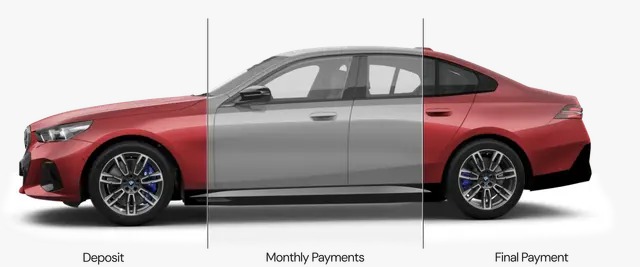
A car has outstanding finance if money is still owed against it from a loan, hire purchase, or lease agreement, and a paid vehicle history check is the most reliable way to find out. Buying a car with unresolved finance risks losing it, even after you've paid in full.
The following are the key points about checking for outstanding finance:
- Finance Doesn't Disappear With a Sale: The finance company keeps a legal claim on the car until it's paid off, sale or no sale.
- A Paid Check Reveals It: An HPI or similar vehicle history check specifically flags outstanding finance.
- The Risk Falls on the Buyer: A buyer can lose the car to repossession even if they had no idea finance was outstanding.
- Settlement Fixes the Problem: Confirming the finance is settled before or during the sale removes the risk entirely.
- Ask the Seller Directly First: A direct question to the seller is a reasonable first step before running a paid check.
- Confirm Settlement in Writing: Written confirmation from the finance company proves the debt is genuinely cleared.
Why Is Outstanding Finance a Problem for Buyers?
Outstanding finance is a problem because the finance company technically still owns a share of the car until it's paid off, regardless of who bought it since. A buyer can end up losing the car with no refund from the seller.
- Shared Legal Ownership: The finance company retains a legal interest until the agreement is fully settled.
- Repossession Risk: The finance company can repossess the car from the new owner, not just the original borrower.
- No Guaranteed Refund: Getting money back from a seller who's disappeared or can't pay isn't guaranteed.
- Can Affect Your Own Credit File: Getting tangled in a finance dispute can even affect your own credit record in some cases.
- Often Goes Unmentioned by Sellers: Some sellers genuinely don't realise finance is still attached, so it's rarely flagged upfront.
Which Finance Agreements Can Remain Attached to a Vehicle?
Three main finance types can remain attached to a car: hire purchase (HP), personal contract purchase (PCP), and logbook loans. Each one gives the lender a legal claim on the vehicle until the balance is cleared.
- Hire Purchase (HP): A common car finance agreement where ownership only transfers once every payment is made.
- Personal Contract Purchase (PCP): A popular finance option with a final "balloon" payment still owed until settled.
- Logbook Loans: A loan secured directly against the vehicle itself, using the V5C as security.
- Lease Agreements: Some vehicles remain under an active lease, meaning the leasing company still legally owns the car.
- Business Finance Deals: Vehicles bought through a business finance agreement can carry similar restrictions to personal finance.
How Can Finance Checks Protect You?
Finance checks protect you by confirming, before you pay a penny, whether any money is still owed against the car. A single check can save you from losing both the vehicle and your money.
- Confirms Before You Pay: A check reveals outstanding finance before any money changes hands.
- Avoids Repossession Risk: Knowing in advance means you can walk away or insist on settlement first.
- Supports Price Negotiation: Confirmed finance gives you grounds to delay payment until it's cleared.
- Builds a Paper Trail: A finance check result gives you a dated record proving you checked before buying.
- Strengthens Any Later Dispute: Having proof you checked helps enormously if a problem does emerge after the sale.
What Should You Do if Finance Is Still Outstanding?
If finance is still outstanding, ask the seller to settle it before or during the sale, and get written confirmation once it's cleared.
Never hand over full payment while finance remains unresolved.
- Request a Settlement Figure: Ask the seller to get an exact payoff amount from their finance company.
- Time Payment to Settlement: Arrange payment so the finance clears at the same time as, or before, the sale completes.
- Get Written Confirmation: A confirmation letter from the finance company proves the debt has genuinely been cleared.
- Contact the Finance Company Directly: You can call the finance company yourself to confirm the exact amount owed.
- Avoid Cash Payments Until Cleared: Paying by traceable bank transfer, rather than cash, protects you if a dispute arises later.
How Can You Check if a Car Has Been Written Off?
A car's write-off status checks through a paid vehicle history check, which reveals whether an insurer ever declared it a total loss. A single write-off record can significantly affect the car's safety, value, and future insurability.
The following are the key points about checking for a write-off:
- Write-Off Status Isn't Always Obvious: A repaired write-off can look completely normal to the eye.
- A Paid Check Reveals the Category: History checks show the exact write-off category recorded against the car.
- Categories Signal Different Severity: Categories A, B, S, and N each mean something different about the damage.
- Some Write-Offs Are Safe to Buy: A properly repaired Category S or N car can still be a reasonable purchase.
- Understand the Repair Standard Required: Legally repaired categories must meet specific standards before being allowed back on the road.
- Factor It Into Your Offer: A confirmed write-off history gives you a fair basis for negotiating a lower price.
What Is an Insurance Write-Off?
An insurance write-off is a car an insurer decided wasn't worth repairing, usually because repair costs would exceed a set percentage of its value. The car may still be repaired and sold on afterwards, depending on the category.
- Cost-Based Decision: Insurers write cars off when repair costs approach or exceed the car's overall value.
- Doesn't Always Mean Scrapped: Some write-off categories allow the car to be repaired and legally sold again.
- Recorded Permanently: A write-off marker stays on the car's history for as long as it exists.
- Decided by the Insurer, Not the Owner: The write-off decision belongs to the insurance company, not the car's owner.
- Recorded Permanently on the Vehicle: Once recorded, a write-off marker stays attached to the car for as long as it's on the road.
What Do Categories A, B, S and N Mean?
Categories A, B, S, and N each describe a different level of damage severity, ranging from total destruction to relatively minor structural damage. Only Category S and N cars can be legally repaired and put back on the road.
- Category A: The most severe category, meaning the car must be crushed and can never return to the road.
- Category B: Severe damage where the body shell must be destroyed, though some parts can be salvaged.
- Category S: Structural damage that's been properly repaired, allowing the car to be legally driven again.
- Category N: Non-structural damage, typically cosmetic or mechanical, allowing an easier return to the road.
Should You Buy a Repaired Write-Off?
A repaired write-off can be a reasonable purchase, particularly in Category S or N, provided the repair work is professional and fully documented. Always factor in a lower resale value and stricter insurance terms.
- Repair Quality Matters Most: A professionally documented repair reduces the risk of ongoing safety issues.
- Expect a Lower Resale Value: Write-off history typically reduces a car's value by 20-40% compared to a clean equivalent.
- Insurance Can Get Trickier: Some insurers charge more, or decline cover entirely, for a car with write-off history.
- Ask for the Repair Invoice: A genuine repair invoice shows exactly what work was carried out and by whom.
- Get an Independent Inspection First: An independent mechanic can confirm the repair was done to a proper standard.
How Can You Detect Mileage Fraud?
Mileage fraud is detected by comparing the current odometer reading against MOT history records, which log mileage at every test. A mismatch, especially a mileage drop, is one of the clearest signs of tampering.
The following are the key points about detecting mileage fraud:
- MOT Records Are the Best Evidence: Free MOT history shows mileage recorded at every test over the years.
- A Mileage Drop Is a Major Red Flag: A lower reading than a previous test almost always signals tampering.
- Wear Matches the Mileage: Pedal rubbers, seat bolsters, and the steering wheel show wear consistent with the claimed mileage.
- Service Records Add Confirmation: Mileage noted at each service increases logically over time.
- Compare Listing Mileage to Records: The advertised mileage matches exactly what official records show.
- Ask About Unusual Gaps: A long gap between recorded mileages is worth asking the seller to explain.
What Is Mileage Clocking?
Mileage clocking is the illegal practice of winding back a car's odometer to make it look like it's covered fewer miles than it actually has. Clocking hides genuine wear and inflates the car's apparent value.
- Illegal Practice: Deliberately altering a car's mileage to mislead a buyer is a criminal offence in the UK.
- Hides Real Wear: A clocked car hides the true mechanical wear its higher mileage would suggest.
- Inflates Value Unfairly: Lower recorded mileage lets a seller ask for a higher price than the car deserves.
- Can Be Done Digitally Too: Modern digital odometers can be altered electronically, not just older mechanical ones.
- Affects Insurance Too: A clocked car can also affect insurance validity if the fraud is later discovered.
Which Warning Signs Suggest Mileage Discrepancies?
Warning signs of mileage discrepancies include a mileage drop between MOT tests, wear that doesn't match the claimed figure, and inconsistent mileage across service records and listings. Any of these is worth investigating before buying.
- Mileage Drop Between Tests: A lower reading than a previous MOT test is the clearest sign of tampering.
- Mismatched Physical Wear: Heavily worn pedals or seats alongside a low mileage claim don't add up.
- Inconsistent Paperwork: Different mileage figures across the listing, service book, and MOT history.
- Unusually Round Numbers: A suspiciously neat mileage figure, like exactly 50,000, can sometimes indicate manual alteration.
How Can MOT Records Help Verify Mileage?
MOT records help verify mileage because every test logs the exact mileage at that point in time, creating a reliable timeline. Comparing this timeline against the current reading confirms whether the numbers genuinely add up.
- Creates a Verified Timeline: Each MOT test provides an independently recorded mileage snapshot.
- Reveals Inconsistent Jumps: A sudden, unrealistic mileage jump or drop stands out clearly against this timeline.
- Free and Instant Access: The GOV.UK checker provides this timeline for free within seconds.
- Shows Mileage Trends Over Time: Looking at several years of records shows whether the car's mileage pattern looks realistic.
- Cross-Checks Against Service Records: MOT mileage can be compared directly against service book entries for extra confidence.
Why Does Accurate Mileage Affect a Car's Value?
Accurate mileage affects a car's value because buyers pay a premium for lower mileage, expecting less wear and a longer remaining lifespan. Inaccurate mileage misleads buyers into overpaying for a car that's more worn than it appears.
- Lower Mileage Commands a Premium: Buyers expect to pay more for a car with fewer miles on the clock.
- Mileage Signals Remaining Lifespan: Buyers use mileage to judge how much life is likely left in the car.
- Inaccurate Mileage Misleads Pricing: A clocked car can sell for far more than its true condition justifies.
- Affects Insurance Premiums Too: Insurers use mileage to help set premiums, so an inaccurate figure can affect your cover.
- Impacts Future Resale Price: The mileage you eventually advertise when reselling depends on an accurate starting figure.
How Can You Check Whether a Car Has Been Stolen?
Whether a car has been stolen is checked through a paid vehicle history check, which cross-references the registration and VIN against police and insurance stolen vehicle databases. A stolen vehicle check protects buyers from an outcome with no financial recourse at all.
The following are the key points about checking for a stolen vehicle:
- Stolen Records Sit in Specific Databases: Police and insurance industry databases hold confirmed stolen vehicle records.
- A Paid Check Cross-References Both: Vehicle history services check the registration and VIN against these records directly.
- Buying Stolen Property Has No Protection: A buyer gets no legal right to keep a stolen car, regardless of what they paid for it.
- Checking Costs Far Less Than Losing the Car: A £20-£30 check is a small price against losing an entire car with no refund.
- Run the Check Before Viewing: A stolen vehicle check works from home, before you ever arrange to see the car.
- Combine With a Finance Check: Most paid providers bundle stolen vehicle and finance checks into a single report.
Which Databases Record Stolen Vehicles?
Stolen vehicles are recorded on police databases and the Motor Insurers' Anti-Fraud and Theft Register (MIAFTR), both of which paid history check services cross-reference automatically. Both databases update as vehicles are reported stolen or recovered.
- Police National Computer: Holds official police records of vehicles reported stolen.
- MIAFTR Database: The insurance industry's shared register of theft and total loss claims.
- Automatic Cross-Referencing: Paid history checks query both sources as part of a single report.
- Insurance Company Internal Records: Some insurers also keep their own internal theft records beyond the shared industry database.
- Updated in Near Real Time: Stolen vehicle databases update quickly once a theft is reported, keeping records current.
What Happens if You Unknowingly Buy a Stolen Car?
If you unknowingly buy a stolen car, the police can seize it at any time, and you have no automatic right to keep it or get your money back from the person who sold it to you.
The loss falls entirely on the buyer.
- Police Can Seize It Anytime: A stolen vehicle can be reclaimed by police even years after your purchase.
- No Automatic Refund: Recovering your money from the seller isn't guaranteed, especially if they can't be traced.
- Ownership Never Transfers: Buying stolen property never gives the buyer genuine legal ownership, however unaware they were.
- Insurance Won't Cover the Loss: Standard insurance won't pay out for a car that turns out to have been stolen.
- Can Take Months to Resolve: Disputes over a stolen vehicle can take a long time to sort out, even with police involvement.
How Can a History Check Reduce This Risk?
A history check reduces this risk by confirming, before you pay, that the car isn't recorded as stolen on any recognised database. A single, low-cost check removes one of the most serious risks in buying privately.
- Confirms Before Payment: A check flags stolen status before any money changes hands.
- Covers Multiple Databases: A single paid check typically covers both police and insurance industry records.
- Removes a Serious Risk Cheaply: The cost of checking is tiny compared to the risk of losing an entire car.
- Works Alongside Other Checks: A stolen vehicle check combines easily with finance and write-off checks in one report.
- Gives You Documented Proof: A dated check result proves you took reasonable care before buying.
How Can You Verify the Vehicle's Identity?
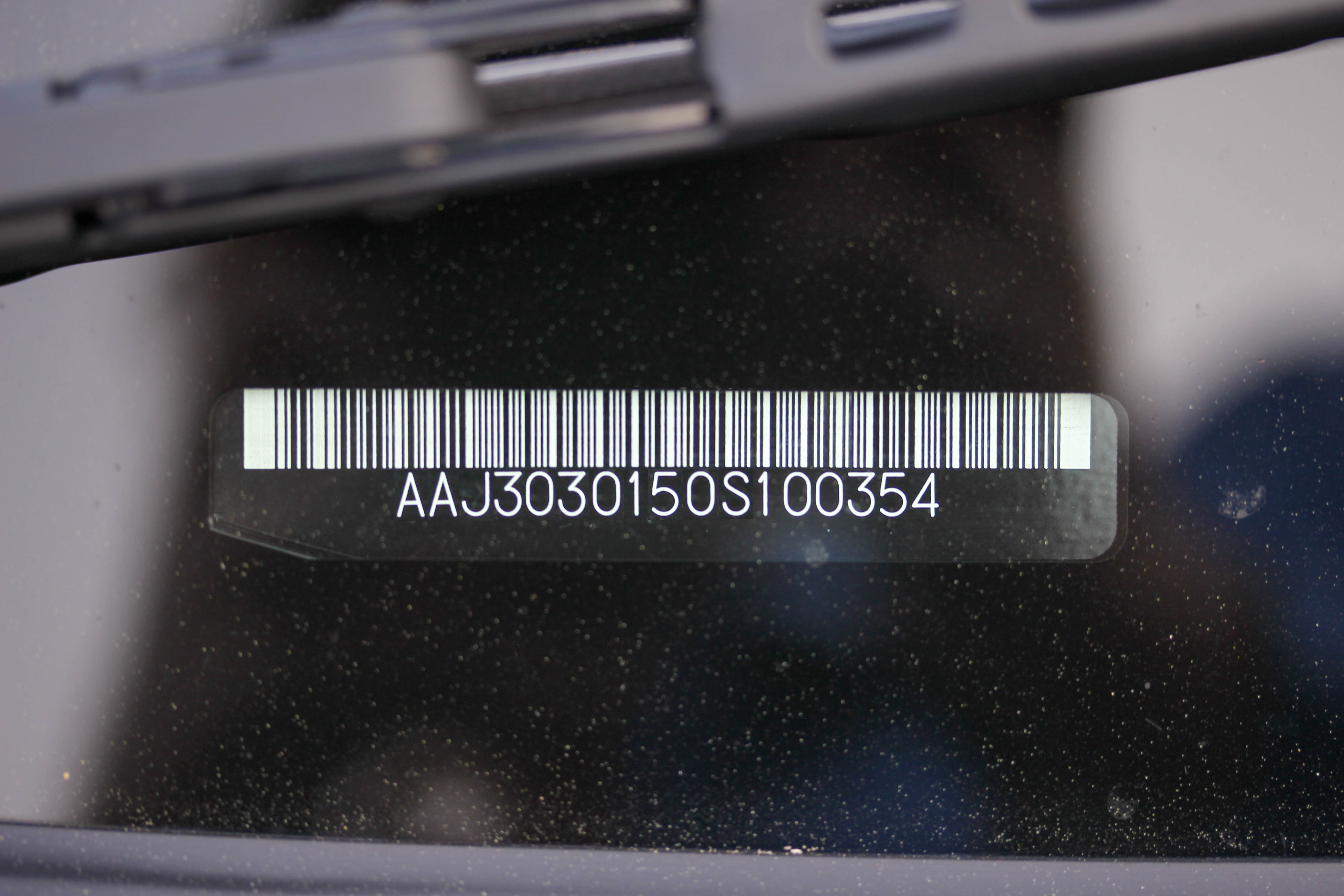
The vehicle's identity is verified by checking that the VIN and engine number match across the car itself, the V5C, and any history report. A mismatch anywhere in this chain is one of the strongest fraud warning signs available.
The following are the key points about verifying vehicle identity:
- Three Places to Check the VIN: The windscreen, the chassis, and the V5C all show the same number.
- The V5C Confirms Official Records: The logbook's VIN matches DVLA's own registered record.
- The Engine Number Adds a Second Layer: A mismatched engine number can point to an engine swap not properly declared.
- Any Mismatch Needs an Explanation: A genuine seller has no trouble explaining any small discrepancy found.
- Photograph Each VIN Location: Taking photos of each VIN location creates a useful record for later reference.
- Cross-Check Against the History Report: Any paid history report also lists the VIN, giving a further point of comparison.
Where Should You Find the VIN on the Vehicle?
The VIN appears on the car in three common locations: a plate visible through the windscreen, a stamp in the engine bay or chassis, and sometimes on a door frame sticker. Checking more than one location confirms consistency.
- Windscreen Plate: Usually the easiest and quickest place to check the VIN.
- Engine Bay Stamp: A physically stamped VIN is much harder to alter convincingly.
- Door Frame Sticker: Some manufacturers also print the VIN on a sticker inside the door frame.
- Under the Bonnet Plate: Many manufacturers fit a small metal plate under the bonnet listing the VIN alongside other details.
- Boot or Spare Wheel Area: Some manufacturers place a VIN sticker near the spare wheel or boot floor.
Should the VIN Match the V5C Registration Certificate?
The VIN needs to match exactly between the car and the V5C registration certificate, with zero tolerance for any difference. Even a single digit out of place is a serious warning sign, not a simple clerical error.
- Zero Tolerance for Mismatch: Any VIN difference at all stops the sale until it's explained.
- A Common Cloning Tactic: Fraudsters sometimes swap a stolen car's VIN with a legitimate one's identity.
- Simple to Check: Confirming this takes seconds and protects against a very costly mistake.
- Check the Full Number, Not Just Part of It: Comparing the entire VIN, not just a few digits, avoids missing a partial mismatch.
- Ask the Seller to Confirm It Themselves: Watching the seller confirm the VIN themselves adds an extra layer of reassurance.
Should the Engine Number Match the Documentation?
The engine number needs to match the documentation too, since a mismatch can point to an undeclared engine swap that affects the car's value, insurance, and legal status. The engine number check is less well known but still important.
- Confirms No Undeclared Swap: A matching engine number confirms the original engine is still fitted.
- Affects Insurance Validity: An undeclared engine change can invalidate insurance if it's discovered later.
- Worth Asking About Directly: A seller with nothing to hide has no issue confirming this detail.
- Located on the Engine Block: The engine number is usually stamped directly onto the engine block itself.
- Less Commonly Checked by Buyers: Many buyers skip this check entirely, making it a useful extra step for added confidence.
What Should You Do if Identification Numbers Don't Match?
If identification numbers don't match, stop the purchase and don't proceed until the seller provides a clear, verifiable explanation. In most cases, walking away entirely is the safest choice.
- Pause the Sale Immediately: Treat any mismatch as a reason to stop, not a detail to overlook.
- Ask for a Clear Explanation: A legitimate reason is easy to verify with supporting paperwork.
- Walk Away if Unresolved: An unexplained mismatch is one of the clearest reasons to end a purchase entirely.
- Report Serious Concerns to the Police: A clear case of a cloned or altered VIN is worth reporting to the police.
- Never Pay a Deposit Until Resolved: Holding back any payment, including a deposit, avoids losing money on an unresolved issue.
How Can You Check the Number of Previous Owners?
The number of previous owners checks through the V5C logbook, which lists how many registered keepers the car has had, and through MOT history, which shows keeper changes over time. Fewer owners generally supports stronger resale value.
The following are the key points about checking previous owners:
- The V5C Shows Keeper History: The logbook records how many registered keepers the car has had.
- MOT History Adds Further Confirmation: Keeper changes often align with gaps or patterns in test history.
- Fewer Owners Usually Means Less Risk: A shorter ownership chain is generally easier to verify and trust.
- Context Always Matters: A high owner count isn't automatically a problem once the reason is understood.
- Ask the Seller for Context: A direct question about ownership history often reveals useful, honest context.
- Weigh Against Service History: Consistent service records can offset any concern from a higher owner count.
Does the Number of Owners Affect Resale Value?
The number of owners does affect resale value, since a single-owner car typically commands a small premium over a car with a longer ownership chain. Buyers read fewer owners as a sign of more consistent care.
- Single-Owner Premium: A car with one owner from new frequently sells for slightly more.
- Buyer Confidence Factor: Fewer owners suggests a simpler, easier-to-trust ownership history.
- Not a Guarantee of Condition: A single owner still needs a full condition and history check regardless.
- Varies by Vehicle Type: The effect on value is often stronger for family cars than for ex-fleet vehicles.
- Matters More on Newer Cars: Owner count tends to matter more on a nearly-new car than on an older, well-used one.
Why Might Frequent Ownership Changes Be a Warning Sign?
Frequent ownership changes can be a warning sign because they sometimes point to a car quietly passed along due to a recurring, unresolved problem. It's worth asking why the car has changed hands so often.
- Possible Recurring Fault: Some cars get sold on repeatedly because of a problem no one wants to deal with.
- Harder to Verify History: More owners generally mean a longer, harder-to-trace paper trail.
- Worth a Direct Question: Asking the seller why previous owners moved on quickly can reveal useful context.
- Can Point to a Financial Issue: Quick resales sometimes reflect a previous owner's financial situation rather than a car fault.
- Worth Checking Against the V5C Dates: Comparing keeper change dates on the V5C shows exactly how quickly the car has changed hands.
When Are Multiple Owners Perfectly Normal?
Multiple owners are perfectly normal for ex-fleet, ex-lease, or rental cars, which frequently change hands through business ownership rather than any underlying problem. Context matters more than the raw number alone.
- Ex-Fleet and Ex-Lease Cars: Ex-fleet cars frequently show several "owners" that are really just business handovers.
- Rental Car Backgrounds: Former rental cars can show multiple owners despite excellent maintenance records.
- Look at the Full Picture: Service history and condition matter more than the owner count in isolation.
- Short-Term Company Car Schemes: Company car schemes can rotate a vehicle through several keepers in a short space of time.
- Dealer Part-Exchange Chains: A car passing through more than one dealer as part-exchange stock can show extra keeper changes.
Which Documents Should You Check Alongside the Vehicle History?
Four documents matter alongside a vehicle history check: the V5C registration certificate, the full service history, maintenance invoices, and MOT certificates. Together, these confirm both the legal and mechanical story of the car. (See our related guide on documents to check before buying a used car for a full breakdown.)
The following are the key documents to check alongside the vehicle history:
- V5C Registration Certificate: Confirms legal ownership and matches the car's identity details.
- Full Service History: Confirms the car has been maintained at the right intervals throughout its life.
- Maintenance Invoices: Provide evidence of specific repairs and parts replaced over time.
- MOT Certificates: Confirm the car's legal roadworthiness and past condition trends.
- Owner's Handbook: The handbook confirms original specification details that can support the wider history check.
- Previous MOT Certificates: Older certificates, not just the current one, help build a fuller condition timeline.
Why Is the V5C Registration Certificate Important?
The V5C registration certificate is important because it proves legal ownership and confirms the car's identity details match official DVLA records. A missing or photocopied V5C is a serious warning sign on its own.
- Proves Legal Ownership: The V5C confirms who is legally recognised as the car's registered keeper.
- Confirms Identity Details: The VIN, colour, and engine size on the V5C match the car exactly.
- A Photocopy Is a Red Flag: A genuine seller always has the original, not a copy.
- Required for Tax and Insurance: You need the V5C details to tax and insure the car in your own name.
- Confirms the Registered Address: The certificate shows the registered keeper's address, useful for cross-checking seller identity.
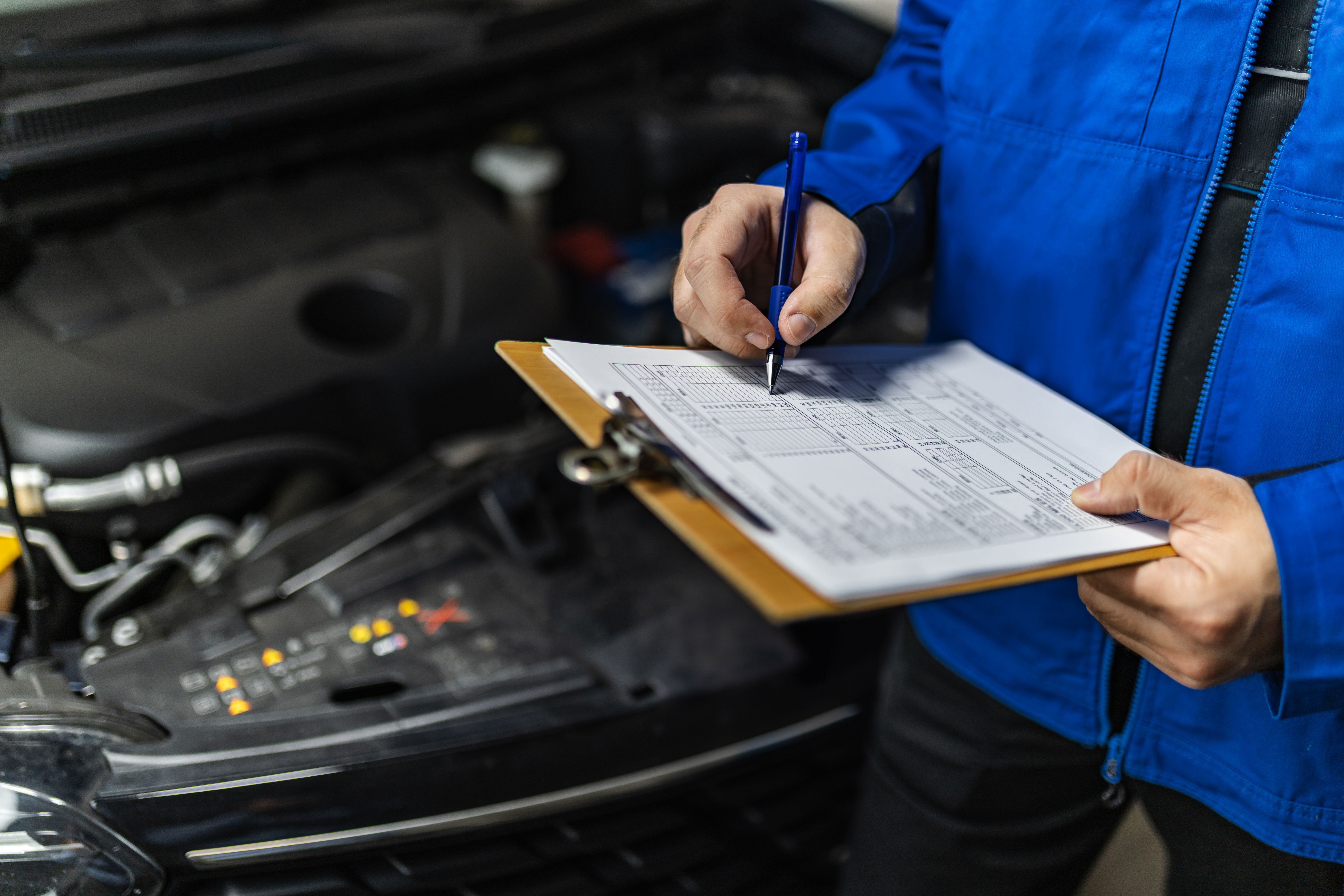
Reviewing the service history matters because it confirms whether the car has been maintained at the right intervals, one of the strongest indicators of long-term reliability. A patchy or missing history increases risk considerably.
- Confirms Maintenance Consistency: Regular stamps or digital records show servicing happened on schedule.
- Reveals Missing Gaps: Unexplained gaps can point to a period of neglect worth asking about.
- Supports Resale Value Later: A complete service history helps the car hold its value when you eventually sell it.
- Shows Which Garage Did the Work: Records reveal whether servicing happened at a main dealer or an independent garage.
- Highlights Upcoming Service Needs: Reviewing the schedule shows what servicing is due soon after you buy.
How Can Maintenance Invoices Support the Vehicle's History?
Maintenance invoices support the vehicle's history by providing specific, dated proof of exactly what work was carried out and when. That level of detail goes further than a simple service stamp alone.
- Confirms Specific Repairs: Invoices name the exact parts replaced and work completed.
- Provides a Clear Timeline: Dated invoices help confirm the car's mileage and condition at each point.
- Supports Warranty Claims: Invoices for major work can support any remaining warranty claim later.
- Confirms Genuine Parts Were Used: Invoices often specify whether genuine or aftermarket parts were fitted.
- Useful for Warranty Disputes: Detailed invoices can support a claim if a warranty dispute arises later.
Why Should You Check MOT Certificates?
Checking MOT certificates matters because they confirm the car's legal roadworthiness at each test and provide an independently recorded mileage history. That makes them one of the most reliable documents available to a buyer.
- Confirms Legal Roadworthiness: Each certificate confirms the car passed its required safety standards.
- Independent Mileage Record: Mileage on each certificate is logged by the testing station, not the seller.
- Free to Verify Online: The GOV.UK checker confirms these records match what the seller has shown you.
- Confirms the Test Was Genuine: Checking online confirms the certificate matches an actual recorded test, not a forgery.
- Shows the Exact Test Date: The certificate date confirms exactly when the last check took place.
Which Online Resources Can Help You Check a Used Car's History?
Several official and recognised online resources help check a used car's history, including the free GOV.UK MOT and tax checkers and paid vehicle history services covering finance, write-off, and theft records. Using more than one source builds the most complete picture.
The following are the key resources for checking a used car's history:
- GOV.UK MOT History Checker: A free government tool showing past test results and mileage.
- GOV.UK Vehicle Tax Checker: A free government tool confirming current tax status.
- Recognised Vehicle History Services: Paid services covering finance, write-off, and stolen vehicle records together.
- Cross-Referencing Multiple Sources: Comparing results across sources catches anything a single check might miss.
- Manufacturer Recall Checkers: Some manufacturers offer their own tools to check for outstanding safety recalls.
- Consumer Advice Websites: Independent consumer sites often explain how to interpret a history report correctly.
How Can the GOV.UK MOT History Service Help?
The GOV.UK MOT history service helps by providing free, official access to a car's full test history, including mileage and advisories, using only the registration number. It's the best free starting point for any buyer.
- Completely Free to Use: No payment or account is required to check a car's MOT history.
- Official Government Data: Results come directly from DVSA's own testing records.
- Quick and Simple: Results appear within seconds of entering the registration number.
- Works for Any UK-Registered Car: The tool covers any car registered in the UK, regardless of age or manufacturer.
- Updated Immediately After Each Test: Results reflect the very latest test, updated as soon as it's recorded.
What Does a Comprehensive Vehicle History Check Include?
A comprehensive vehicle history check includes outstanding finance, write-off status, stolen vehicle records, mileage verification, and previous keeper information, typically for a small fee.
A single paid report covers what the free tools can't.
- Outstanding Finance Check: Confirms whether money is still owed against the car.
- Write-Off and Stolen Status: Confirms whether the car has ever been declared a total loss or reported stolen.
- Mileage Verification: Cross-references mileage across multiple official sources.
- Previous Keeper Information: Shows how many registered keepers the car has had.
Why Should You Compare Information From Multiple Sources?
Comparing information from multiple sources matters because no single check covers absolutely everything, and cross-referencing catches inconsistencies one source alone might miss. Cross-referencing proves especially useful when something looks slightly off.
- No Single Source Is Complete: Free and paid tools each cover slightly different information.
- Confirms Consistency: Matching results across sources builds genuine confidence in the car's history.
- Flags Discrepancies Early: Any mismatch between sources is worth investigating before proceeding.
- Reduces Reliance on One Provider: Using more than one source avoids depending entirely on a single company's data.
- Helps Spot Data Entry Errors: Comparing sources can reveal a simple typing mistake rather than a genuine problem.
What are the Most Common Warning Signs in a Vehicle History Report?
The most common warning signs in a vehicle history report are inconsistent mileage, repeated MOT failures, missing service history, and outstanding finance. Spotting any of these early can save a buyer from a serious financial mistake.
The following are the most common warning signs to look out for:
- Inconsistent Mileage: A mileage figure that doesn't rise logically between records.
- Repeated MOT Failures: The same fault appearing across multiple tests without ever being fixed.
- Missing Service History: No documented proof the car has been properly maintained.
- Outstanding Finance: Confirmed unpaid finance still recorded against the vehicle.
- Unusual Number of Previous Owners: A high owner count without a clear explanation is worth treating cautiously.
- Mismatched Specification Details: Any specification detail that doesn't match the car itself deserves a closer look.
Why Is Inconsistent Mileage a Red Flag?
Inconsistent mileage is a red flag because it's one of the clearest signs of deliberate tampering, hiding the car's true condition and remaining lifespan. Any inconsistency deserves a direct explanation before proceeding.
- Signals Deliberate Tampering: A dropped or jumping mileage figure rarely happens by accident.
- Hides True Wear: Incorrect mileage disguises how much the car has genuinely been used.
- Misleads on Value: A clocked car can appear worth far more than its real condition justifies.
- Often the First Sign of Fraud: Mileage inconsistency is frequently the very first clue that something isn't right.
- Easy to Check for Free: A mileage check costs nothing, making it one of the simplest red flags to rule out early.
Why Should Repeated MOT Failures Concern You?
Repeated MOT failures matter because the same fault appearing more than once suggests genuine neglect rather than a one-off issue. That pattern often points to an owner who didn't properly maintain the car.
- Suggests Ongoing Neglect: A recurring fault shows a problem that was never properly fixed.
- Predicts Future Costs: The same issue is likely to resurface again after purchase.
- Worth Direct Questions: Asking the seller why the same fault kept appearing is a fair and reasonable question.
- Suggests Rushed Repairs: Repeated failures for the same fault can suggest previous repairs were rushed or incomplete.
- Increases Your Own Repair Bill: A recurring fault is likely to become your responsibility soon after buying.
Why Can Missing Service History Indicate Poor Maintenance?
Missing service history can indicate poor maintenance because there's no proof the car received attention at the right intervals throughout its life. Missing history raises the risk of undiagnosed, ongoing mechanical issues.
- No Proof of Care: Without records, there's no evidence maintenance happened on schedule.
- Higher Risk of Hidden Issues: Skipped servicing can allow problems to develop unnoticed.
- Reduces Buyer Confidence: Missing history makes it harder to trust the car's true condition.
- Makes Future Problems Harder to Predict: Without records, it's harder to know which parts are due for replacement soon.
- Reduces Buyer Negotiating Power: Missing history gives you less evidence to negotiate a fair price.
Why Should Outstanding Finance Never Be Ignored?

Outstanding finance always needs addressing directly because it puts both the car and your money at risk of being lost. Outstanding finance is one warning sign that always stops a purchase until it's fully resolved.
- Puts the Car at Risk: The finance company can repossess the car even after you've paid for it.
- Puts Your Money at Risk: Recovering payment from the seller afterwards isn't guaranteed.
- Always Requires Resolution: Outstanding finance is one issue that gets fixed before completing any purchase.
- Can Surface Years Later: A finance company can pursue repossession even years after the original sale.
- Affects Every Future Owner Too: The problem doesn't disappear if you resell the car without resolving it.
When Should You Walk Away From a Used Car?
Walking away makes sense when a car shows outstanding finance, a stolen marker, unexplained VIN mismatches, or a seller unwilling to provide basic documentation. Any one of these alone is reason enough to stop.
- Confirmed Outstanding Finance: Unresolved finance is one of the clearest reasons to end a purchase.
- Stolen Vehicle Marker: A confirmed stolen record ends the transaction immediately.
- Unexplained VIN Mismatch: An identity mismatch without a clear explanation is too risky to proceed with.
- Missing or Refused Documentation: A seller who won't provide the V5C or history details is a serious warning sign.
What Mistakes Should You Avoid When Checking a Used Car's History?
The most common mistakes when checking a used car's history include trusting only the seller's word, skipping a paid history check, ignoring MOT advisories, and overlooking small inconsistencies. Avoiding these mistakes protects both your money and the car itself.
The following are the mistakes buyers make most often:
- Trusting the Seller's Description Alone: Taking claims at face value without independent verification.
- Skipping a Paid History Check: Relying only on free tools and missing finance or write-off records.
- Ignoring MOT Advisories: Dismissing early warning signs as unimportant.
- Overlooking Small Inconsistencies: Assuming minor mismatches don't matter.
- Rushing the Process Under Pressure: A seller pushing for a quick decision shouldn't stop you completing every check properly.
- Forgetting to Recheck Before Completion: Running a final check just before paying confirms nothing has changed since you first looked.
Is Relying Only on the Seller's Description Enough?
Relying only on the seller's description isn't enough, since even an honest seller may not know everything about the car's full history. Independent checks confirm what the seller's word alone cannot.
- Sellers Aren't Always Fully Informed: A seller may genuinely not know about a previous owner's finance or accident.
- Independent Checks Add Certainty: Official records confirm details a seller's word can't guarantee.
- Protects Against Dishonesty Too: Verification also protects against a seller who isn't being fully truthful.
- Descriptions Can Be Outdated: A seller's description might reflect the car's condition from months ago, not today.
- Written Claims Aren't Always Verified: A confident-sounding description doesn't guarantee the details behind it are accurate.
Should You Skip an HPI or Vehicle History Check?
Skipping an HPI or vehicle history check isn't worth the risk, since the small cost is nothing compared to the potential loss of buying a car with unresolved finance or a stolen marker. A paid history check counts as essential, not optional.
- Low Cost, High Protection: A history check typically costs far less than a single month's car payment.
- Covers What Free Tools Miss: Finance and stolen vehicle records aren't available through free checkers alone.
- Essential for Private Sales Especially: A history check matters even more when buying without dealer protections.
- Takes Only Minutes to Complete: The entire check process usually takes less time than a single cup of tea.
- Available Before You Even View the Car: You can run this check the moment you see a listing, before arranging anything else.
Why Is Ignoring MOT Advisories Risky?
Ignoring MOT advisories is risky because they often point to a genuine, developing problem rather than something trivial. A car with several ignored advisories can hide a costly repair waiting to happen.
- Advisories Signal Real Issues: Advisory notes flag genuine wear, not just theoretical concerns.
- Ignored Issues Tend to Worsen: A flagged problem rarely improves without proper attention.
- Can Indicate a Wider Pattern: Multiple advisories together can suggest general neglect.
- Can Lead to a Failed Test Later: An ignored advisory frequently becomes an outright failure at the next test.
- Sometimes Points to Safety Issues: Certain advisories relate directly to safety, not just cosmetic wear.
Should You Overlook Small Inconsistencies?
Small inconsistencies shouldn't be overlooked, since even a minor mismatch in mileage, colour, or documentation can be the first sign of a bigger issue. It's always worth asking rather than assuming it doesn't matter.
- Small Details Can Reveal Bigger Problems: A minor inconsistency is sometimes the only visible clue to a larger issue.
- Costs Nothing to Ask: Clarifying a small detail takes moments and removes any doubt.
- Builds a Fuller Picture: Every detail checked adds to overall confidence in the car's history.
- Patterns Matter More Than One-Offs: Several small inconsistencies together carry more weight than any single one alone.
- Sellers Should Welcome Questions: A genuine seller won't mind explaining a small detail you've noticed.
Why Should You Always Compare Documents With the Vehicle?
Documents always get compared directly against the physical car, since paperwork alone can't confirm the vehicle in front of you is genuinely the one described. Comparing documents to the car ties every other check together.
- Confirms Genuine Match: Comparing documents to the car confirms nothing has been swapped or altered.
- Catches Overlooked Errors: A quick side-by-side check can reveal a detail missed earlier.
- Completes the Verification Process: Comparing documents to the car brings every previous check together into one confirmation.
- Takes Only a Few Minutes: The final comparison is quick to do and well worth the short time it takes.
- Best Done in Person: Comparing documents works best face-to-face, rather than relying on photos alone.
How Does a Vehicle History Check Complement a Physical Inspection?

A vehicle history check complements a physical inspection by confirming the paperwork side of a car's story, while the inspection confirms its actual physical condition. Neither check alone tells the full story on its own. (See our related guides on what to look for when buying a used car and how to test drive a used car for the full picture.)
The following are the key points about combining both checks:
- History Check Covers the Paper Trail: Finance, write-off status, and mileage records come from official documentation.
- Physical Inspection Covers Real Condition: Bodywork, mechanics, and interior condition can only be judged in person.
- Together They Cover Every Angle: Combining both checks leaves very little room for a nasty surprise.
- Neither Check Replaces the Other: A clean history report still needs a physical inspection to confirm real-world condition.
- Confirms What the Seller Has Said: A physical inspection can confirm or challenge claims the seller has made verbally.
- Provides Two Independent Sources of Confidence: Buyers gain confidence from both official records and their own hands-on impression.
Why Should You Combine History Checks With a Vehicle Inspection?
Combining history checks with a vehicle inspection matters because a clean paper trail says nothing about the car's actual mechanical condition, and a great-looking car says nothing about its legal history.
Only both together give a genuinely complete picture.
- Paperwork Doesn't Show Wear: A clean history report can't confirm worn brakes or a tired suspension.
- Appearance Doesn't Show Legal Issues: A great-looking car can still carry outstanding finance or a write-off marker.
- Combined Checks Reduce Blind Spots: Using both together closes the gaps either check leaves on its own.
- Covers Both Paperwork and Reality: Together, the two checks confirm both what's on paper and what's actually true.
- Recommended by Consumer Advice Bodies: Combining both checks is widely recommended as best practice for used car buyers.
How Can a Test Drive Confirm Issues Highlighted in the History?
A test drive can confirm issues highlighted in the history by revealing whether a previously flagged fault, like a recurring MOT advisory, is still present or has genuinely been fixed. A test drive turns paperwork concerns into a real-world check.
- Confirms Repaired Issues: A test drive shows whether a previously flagged fault has genuinely been resolved.
- Reveals Ongoing Problems: Unusual noises or handling issues can confirm a fault mentioned in past MOT advisories.
- Adds a Real-World Layer: Driving the car adds a practical check that paperwork alone can't provide.
- Reveals Handling Problems Directly: Steering, braking, and gear issues become obvious the moment you drive the car.
- Confirms Recent Repair Quality: A test drive shows whether a recent repair genuinely fixed the underlying issue.
Why Does Combining Both Checks Reduce Buying Risk?
Combining both checks reduces buying risk because it covers the two areas where problems most commonly hide: the car's legal and financial history, and its physical condition. Together, they leave very little
room for an unpleasant surprise.
- Covers Legal and Physical Risk Together: Each check protects against a different type of hidden problem.
- Reduces the Chance of Missed Issues: Very few problems can hide from both checks at once.
- Builds Genuine Buying Confidence: A buyer using both checks can make a decision based on real evidence, not guesswork.
- Reduces Reliance on Trust Alone: Combining checks means you're not relying purely on the seller's word.
- Supports a Stronger Negotiating Position: Evidence from both checks gives you solid ground to negotiate the price.
What Are the Most Frequently Asked Questions About Checking a Used Car's History?
This section answers the most common questions UK buyers ask about checking a used car's history before purchase.
The following are the questions covered in this section:
- Free Versus Paid Checks: Which checks cost nothing, and which need a paid report.
- Cost and Coverage: What a paid history check typically costs and includes.
- Timing: When to run a history check relative to viewing the car.
- Provider Differences: How an HPI check compares to other vehicle history services.
- Ownership History Questions: Common questions about how many owners is too many and what counts as normal.
- Repair and Write-Off Questions: Common questions about whether a repaired write-off is safe to buy.
Can I Check a Used Car's History for Free?
Yes, a used car's basic history can be checked for free through the GOV.UK MOT and vehicle tax checkers, though these free tools don't cover finance, write-off, or stolen vehicle records.
- Free MOT History: Covers past test results, advisories, and mileage records.
- Free Tax Status: Confirms whether the car is currently taxed and legal to drive.
- Paid Checks Cover the Rest: Finance, write-off, and theft records need a paid history check.
- Free Checks Cover the Basics Well: The free tools alone cover roadworthiness and tax status thoroughly.
- Worth Doing Before Any Paid Check: Running the free checks first can rule out obvious issues before spending anything.
How Much Does a Vehicle History Check Cost in the UK?
A paid vehicle history check in the UK typically costs between £5 and £20, depending on the provider and how much detail the report includes.
- Basic Reports: Often start around £5-£10 for essential finance and write-off checks.
- Comprehensive Reports: Cost closer to £15-£20 for the most detailed combined checks.
- Small Cost Against Big Risk: The price is minor compared to the potential loss from a serious history issue.
- Price Varies by Provider: Different companies charge slightly different amounts for similar coverage.
- Often Cheaper Than a Single Tank of Fuel: The typical cost is less than filling up a car with petrol.
Is Checking the MOT History Enough?
Checking the MOT history alone isn't enough, since it doesn't reveal outstanding finance, write-off status, or stolen vehicle records. A paid history check is needed to cover these additional risks.
- MOT Covers Roadworthiness Only: The free check focuses on past test results and mileage.
- Misses Financial and Legal Risks: Finance, write-off, and theft records sit outside MOT data entirely.
- A Paid Check Fills the Gap: Combining both gives a genuinely complete picture.
- Doesn't Confirm Legal Ownership: MOT history says nothing about whether the car is genuinely free of finance.
- Best Treated as a Starting Point: MOT history works well as a first step, not the final word.
Can a Vehicle History Report Guarantee a Car Is Problem-Free?
A vehicle history report can't guarantee a car is problem-free, since it only reveals what's been officially recorded, not undocumented mechanical issues. A physical inspection remains essential alongside any history check.
- Only Shows Recorded Information: A report can't reveal problems that were never officially documented.
- Doesn't Replace Inspection: Physical condition still needs a hands-on check regardless of a clean report.
- Reduces Risk, Doesn't Eliminate It: A clean check significantly lowers risk without removing it entirely.
- Reports Reflect Recorded Data Only: A report can only show what's been officially logged somewhere.
- Still Worth Running Regardless: Even without a full guarantee, the report significantly reduces overall risk.
What Happens if the Seller Refuses to Provide the Registration Number?
If a seller refuses to provide the registration number, treat this as a serious warning sign and avoid proceeding with the purchase. A genuine seller has no reason to withhold this basic detail.
- No Legitimate Reason to Refuse: A genuine seller has nothing to lose by sharing the registration number.
- Suggests Something to Hide: Refusal often points to a history the seller doesn't want checked.
- Best to Walk Away: A refusal like this is a strong enough warning sign to end the conversation entirely.
- Consider Reporting Suspicious Listings: A persistently evasive seller is worth reporting to the listing platform.
- Rare Among Genuine Sellers: Genuine private sellers almost never object to sharing this basic detail.
Can I Check a Vehicle's History Before Viewing It?
Yes, a vehicle's history can be checked before viewing it, since both the free and paid checks only need the registration number. Checking early lets you rule out serious problems before spending time travelling to see the car.
- Registration Number Is All You Need: Both free and paid checks work entirely remotely.
- Saves Wasted Viewing Time: Ruling out major issues early avoids an unnecessary trip.
- Confirms Basic Legitimacy First: A quick check before viewing filters out obviously problematic listings.
- Ideal for Comparing Multiple Listings: Early checks help you narrow down several listings before choosing which to view.
- Doesn't Require Contacting the Seller: You can run this check independently, without needing to speak to the seller first.
How Far Back Do Vehicle History Records Go?
MOT history typically covers as far back as the car's first test, usually from three years old onward, while finance and write-off records generally cover the car's entire registered life.
- MOT History From Three Years Old: Testing starts once a car reaches its third year, so records begin there.
- Finance and Write-Off Records: Finance and write-off records typically cover the car's entire life since first registration.
- Older Cars May Have Gaps: Very old vehicles can occasionally have incomplete historical records.
- Varies Slightly by Record Type: Different record types can have slightly different starting points.
- Usually Sufficient for Most Buyers: Most buyers find the available history more than enough to make an informed decision.
Is an HPI Check the Same as a Vehicle History Check?
An HPI check is one specific brand of vehicle history check, and the term is often used generically to describe any paid check covering finance, write-off, and stolen vehicle records. Other providers offer similar reports under different names.
- HPI Is a Specific Provider: The name comes from one of the original UK vehicle history check companies.
- Used as a General Term: Many buyers use "HPI check" to mean any paid vehicle history report.
- Other Providers Exist Too: Several recognised companies offer similar, equally valid history checks.
- Coverage Can Vary Between Providers: Not every provider covers exactly the same information in their report.
- Worth Comparing What's Included: Checking exactly what each report covers helps you choose the right one.
Why Should You Buy Your Next Used Car from Car-Planet.co.uk?

Car-Planet.co.uk helps buyers purchase with confidence through pre-sale history verification, transparent documentation, and a straightforward buying process. The combination removes much of the uncertainty a private buyer would otherwise manage alone.
The following are the key reasons to buy your next used car from Car-Planet.co.uk:
- Pre-Sale History Verification: Every vehicle is checked for finance, write-off status, and mileage accuracy before listing.
- Transparent Documentation: Full service history and history check results are made available upfront.
- Straightforward Buying Process: Clear, honest information reduces the guesswork buyers usually face.
- Confidence Without the Legwork: Buyers get the benefit of a full history check without arranging it themselves.
- Consistent Process for Every Buyer: Every customer receives the same level of checked, transparent information.
- Support Beyond the Point of Sale: Assistance remains available if any questions come up after you've bought the car.
How Does Car-Planet.co.uk Help Buyers Purchase With Confidence?
Car-Planet.co.uk helps buyers purchase with confidence by verifying each vehicle's history before it's ever listed, removing much of the uncertainty of a typical private sale. Buyers get clear answers upfront instead of having to dig for them.
- Verification Before Listing: History checks happen before a car is ever offered for sale.
- Clear Answers Upfront: Buyers see the key history details before arranging a viewing.
- Reduced Buyer Workload: Much of the checking work is already done on the buyer's behalf.
- Reduces Time Spent Researching: Buyers spend less time chasing checks themselves, since much of it is already done.
- Consistent Process Across Every Vehicle: Every car goes through the same verification process, not just a selected few.
What Checks Are Carried Out Before Vehicles Are Offered for Sale?
Before vehicles are offered for sale, Car-Planet.co.uk carries out finance checks, write-off and stolen vehicle checks, and mileage verification against official records. That process confirms each car's background before a buyer ever sees the listing.
- Finance Status Confirmed: Every vehicle is checked for any outstanding finance beforehand.
- Write-Off and Theft Checked: Insurance write-off and stolen vehicle records are confirmed before listing.
- Mileage Verified: Odometer readings are cross-checked against official mileage records.
- Documentation Reviewed Alongside History: Paperwork is checked together with the history results before a car is listed.
- Completed Before the Listing Goes Live: All checks finish before a buyer ever sees the car advertised.
How Does Transparency Help You Make an Informed Decision?
Transparency helps by giving buyers the full picture upfront, rather than leaving them to piece together a car's history from scratch. Clear information supports a confident decision rather than a guess.
- Full Picture From the Start: Buyers see the complete history rather than a partial, seller-provided version.
- Removes Guesswork: Transparent information means fewer unanswered questions before buying.
- Supports Confident Decisions: Clear facts let a buyer decide with real information, not assumptions.
- Builds Trust From the First Interaction: Open information from the outset builds buyer confidence early in the process.
- Reduces Time Spent on Follow-Up Questions: Clear upfront details mean fewer questions need chasing up later.
Why Choose Car-Planet.co.uk for Your Next Used Car?
Car-Planet.co.uk stands out by combining pre-sale history verification with transparent documentation, giving buyers the reassurance of a fully checked vehicle without the usual private-sale uncertainty.
- Verified Before You See It: History checks are already complete by the time a car reaches the listing.
- Nothing Left to Chase: Documentation and history details are provided rather than left for the buyer to request.
- A Simpler Way to Buy Used: The whole process removes much of the risk buyers usually manage alone.
- Consistent Standards Across the Range: Every vehicle meets the same verification standard, regardless of price point.
- Support Doesn't End at Purchase: Help remains available after the sale completes, not just during the buying process.
Conclusion
Checking a used car's history isn't an optional extra — it's what separates a confident purchase from an expensive gamble. Running the MOT, finance, write-off, mileage, and stolen vehicle checks together closes off almost every way a bad car can catch a buyer out, and each one takes only minutes using the registration number alone.
No history report replaces a hands-on inspection, but together they cover what neither can catch alone: the car's paper trail and its real-world condition. Buyers who run these checks before they view a car, not after they've fallen for it, put themselves in the strongest possible position to buy with confidence.