


Introduction
A used car can look flawless and still hide a serious problem the paperwork alone would reveal: unpaid finance, a missing V5C, a mismatched VIN, or a service history full of unexplained gaps.
The guide below covers every document worth checking before handing over any money, the V5C log book, MOT history, full service records, warranty paperwork, and proof there's no outstanding finance, along with how to verify the VIN, spot a forged or altered document, and know when missing paperwork means walking away entirely.
It also covers how documents work alongside a physical inspection, a test drive, and a full history check to protect you completely before you buy.
Why Is It Important to Check the Documents Before Buying a Used Car?

Checking a used car's documents matters because paperwork proves legal ownership, confirms the car's true history, and protects buyers from inheriting hidden finance, damage, or mileage fraud. A car can look perfect and still hide a serious problem the paperwork alone can reveal.
The most common reasons checking used car documents matters include:
- Proves Legal Ownership: The V5C confirms the seller genuinely has the right to sell the car in the first place.
- Reveals the Car's True History: Service records and MOT certificates show how the car has actually been maintained over time.
- Protects Against Hidden Finance: Paperwork checks confirm whether money is still owed against the car before you pay for it.
- Confirms Genuine Mileage: Documents provide an independent record buyers can use to check the odometer reading is accurate.
- Reduces the Risk of Fraud: Careful document checking helps spot cloned, stolen, or fraudulently altered vehicles before it's too late.
- Supports Fair Price Negotiation: Evidence found in the paperwork gives buyers legitimate grounds to negotiate a fairer price.
- Builds Genuine Buying Confidence: Complete, consistent documentation replaces guesswork with real, verifiable evidence.
Skipping the paperwork and relying purely on how a car looks or drives leaves buyers exposed to risks a test drive or inspection alone can never catch. Taking the time to check every document properly protects both the buyer's money and their legal position.
How Do Vehicle Documents Prove Ownership and Legitimacy?
Vehicle documents prove ownership and legitimacy through the V5C registration certificate, which names the registered keeper and confirms the car's official identity. Matching this against the seller and the car itself confirms the sale is genuine.
The most common ways documents confirm ownership and legitimacy include:
- Registered Keeper Details: The V5C names the person or business the DVLA recognises as responsible for the car.
- Matching Seller Identity: The name on the V5C matches the person selling the car, or comes with a reasonable explanation if it doesn't.
- Vehicle Identification Number Consistency: The VIN on the V5C matches the number stamped on the car itself.
- Registration Date and History: The V5C confirms when the car was first registered and any changes since.
- Official DVLA Backing: The V5C comes from the DVLA directly, giving it genuine legal weight as proof of registration.
A seller unable to produce a genuine, matching V5C raises immediate concern, since this document forms the foundation of confirming a car is legitimately theirs to sell. A check like this counts as one of the very first steps worth completing, before any money changes hands.
What Risks Can Incomplete Paperwork Hide?
Incomplete paperwork can hide outstanding finance, previous accident damage, mileage fraud, and a car's true ownership history, all of which affect its safety, legality, and value. Missing documents often signal a seller either can't or won't provide full transparency.
The most common risks incomplete paperwork can hide include:
- Outstanding Finance: Missing finance documentation can hide money still owed against the car, risking repossession after purchase.
- Previous Accident Damage: Incomplete history can conceal a car's true repair background, including write-off status.
- Mileage Fraud: Missing service or MOT records remove the evidence needed to confirm the odometer reading is genuine.
- Unclear Ownership History: Gaps in paperwork can hide how many owners the car has genuinely had.
- Undisclosed Mechanical Problems: Missing service records can hide a pattern of neglect or unresolved recurring faults.
Every gap in a car's paperwork represents a question that deserves a clear answer before proceeding. Buyers who notice incomplete documentation benefit from asking directly why records are missing, rather than assuming the gap is insignificant.
Why Should You Never Rely Solely on the Seller's Assurances?
Relying solely on the seller's assurances carries real risk, since verbal claims carry no legal weight and can't be verified without supporting documentation. Genuine paperwork provides independent proof that a seller's word alone simply cannot.
The most common reasons independent documentation matters more than verbal claims include:
- Verbal Claims Aren't Verifiable: A spoken assurance about service history or condition can't be checked or confirmed independently.
- Sellers Aren't Always Fully Informed: Even an honest seller may not know everything about a car's history from previous owners.
- Paperwork Provides Independent Proof: Documents come from manufacturers, garages, or official bodies, not from the seller themselves.
- Memory and Honesty Can Both Be Imperfect: Even a well-meaning seller can misremember details that paperwork records accurately.
- Written Evidence Protects Both Parties: Proper documentation protects buyers from disputes and protects honest sellers from unfair suspicion.
Treating every verbal claim as something to verify against genuine paperwork, rather than accepting it at face value, protects buyers from an honest mistake as much as a deliberate deception. A habit like this costs nothing and consistently pays off.
Which Documents Should You Always Check Before Buying a Used Car?

Buyers always check the V5C registration certificate, MOT history, full service records, and proof of any outstanding finance before buying a used car. Together, these core documents confirm legality, history, and financial safety.
The most common documents every used car buyer checks include:
- V5C Registration Certificate: Confirms legal ownership and the car's official identity details.
- MOT History and Certificates: Confirms roadworthiness and provides an independent mileage record over time.
- Full Service History: Confirms the car has been maintained at the right intervals throughout its life.
- Finance Check Results: Confirms whether any money remains owed against the car.
- Insurance Documentation: Confirms the car can be legally and affordably insured going forward.
- Original Purchase Invoice: Provides useful background on the car's original specification and price.
- Warranty Documentation: Confirms whether any manufacturer or dealer warranty cover remains active.
Reviewing all of these documents together, rather than checking just one or two, builds a genuinely complete picture of the car's legal standing and history. Missing even one document type leaves a gap that can hide a serious, costly problem.
Which Documents Are Legally Required?
The V5C registration certificate and a valid MOT certificate, where the car is old enough to require one, are the legally required documents for a used car in the UK. Without these, a car cannot be legally taxed, sold, or driven correctly.
The most common legally required used car documents include:
- V5C Registration Certificate: Required to confirm legal ownership and register the car correctly with the DVLA.
- Valid MOT Certificate: Required annually for any car over three years old to confirm it meets minimum safety standards.
- Valid Insurance: Required by law before the car can be legally driven on public roads.
- Current Vehicle Tax: Required to confirm the car is legally taxed for road use.
- Vehicle Identification Number Records: Required to confirm the car's identity matches official records.
These legally required documents form the absolute minimum standard for any used car purchase. A seller unable to provide these basics deserves real caution rather than dismissal as a minor inconvenience.
Which Documents Provide Valuable Maintenance History?
Service records, MOT certificates, and repair invoices provide valuable maintenance history, together confirming how consistently a used car has been looked after throughout its life. That history often matters more than mileage alone when judging reliability.
The most common documents providing valuable maintenance history include:
- Service Book or Digital Records: Confirm maintenance completed at manufacturer-recommended intervals throughout ownership.
- MOT Certificates and Advisories: Provide an independently recorded history of condition and mileage over several years.
- Repair Invoices: Confirm exactly what work was carried out, by whom, and when.
- Warranty Claim Records: Reveal any significant issues previously identified and resolved under warranty.
- Recall Completion Records: Confirm whether any manufacturer safety recalls have been properly addressed.
A used car with strong maintenance documentation across all these sources gives buyers considerably more confidence than one relying on a single record alone. Cross-checking these documents against each other confirms a consistent, believable maintenance story.
Which Documents Add Confidence to Your Purchase?
The original purchase invoice, warranty documentation, and proof of previous ownership all add confidence to a used car purchase by supporting the car's overall story with independent evidence. Documents like these aren't strictly required but strengthen buyer trust considerably.
The most common documents that add extra confidence to a purchase include:
- Original Purchase Invoice: Confirms the car's original specification, price, and first owner details.
- Remaining Warranty Paperwork: Confirms any ongoing manufacturer or dealer warranty protection still applies.
- Previous Owner Correspondence: Letters or emails from previous owners can add useful background context.
- Extended Warranty Certificates: Confirm any additional cover purchased beyond the standard manufacturer warranty.
- Accessory and Modification Receipts: Confirm any factory or aftermarket additions were genuinely fitted and paid for.
While not essential to a legal purchase, these additional documents help build a fuller, more trustworthy picture of the car's background. Buyers finding a seller who keeps and shares this level of detail can feel considerably more confident in the overall transaction.
What Is the V5C Log Book and Why Is It Important?
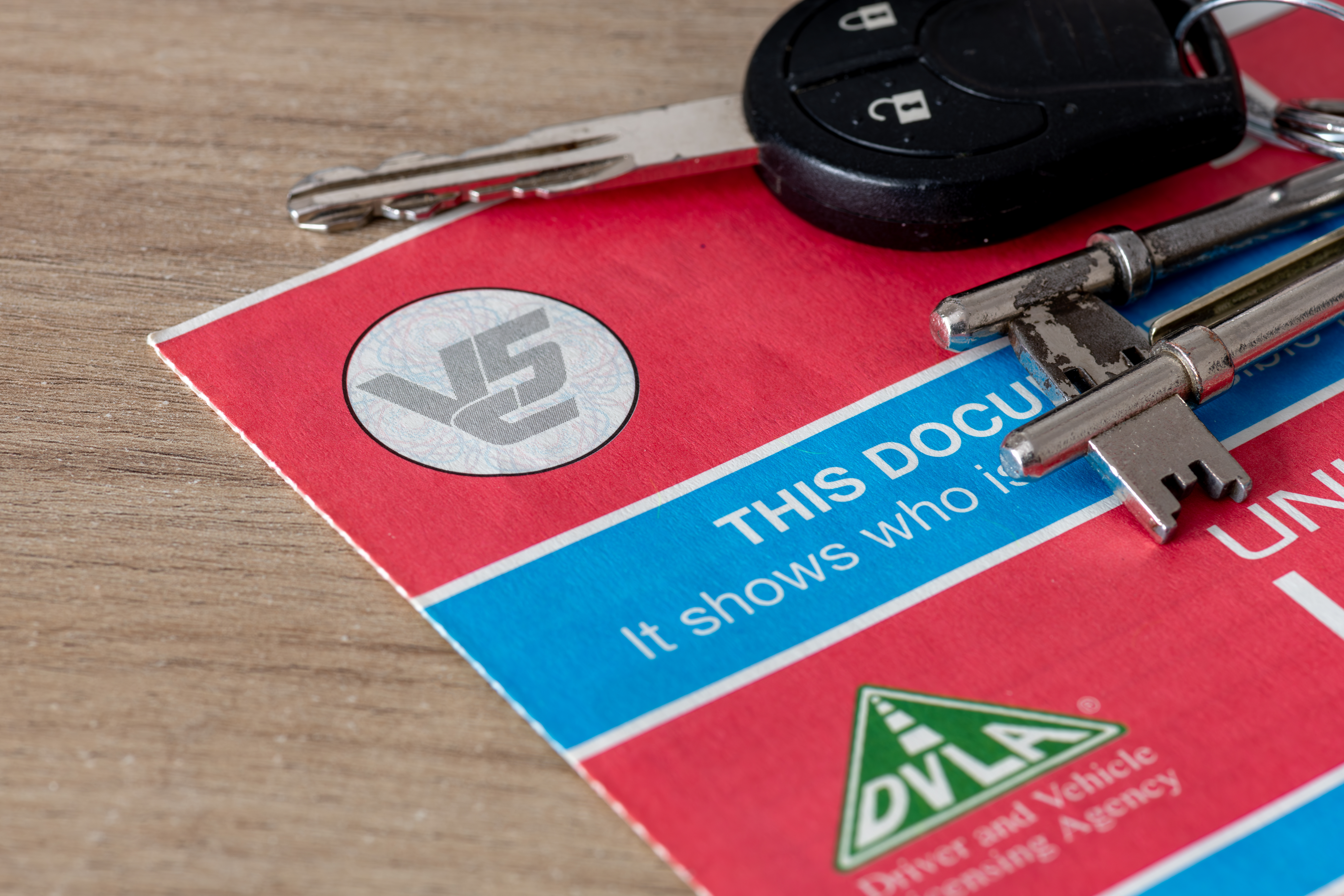
The V5C log book, officially called the registration certificate, is the document proving legal ownership and confirming a used car's official identity details with the DVLA. Without a genuine, matching V5C, a used car sale carries serious legal uncertainty.
The most common reasons the V5C matters so much include:
- Proves Legal Registration: The V5C confirms the car is officially registered with the DVLA under a specific keeper's name.
- Confirms Vehicle Identity: Details including the VIN, colour, and engine size are all recorded on the V5C.
- Enables Ownership Transfer: Completing the relevant V5C section formally transfers legal responsibility to the new keeper.
- Supports Tax and Insurance: Vehicle tax and insurance both rely on accurate registration details confirmed through the V5C.
- Protects Against Fraud: Genuine V5C security features help confirm the document, and therefore the car, is legitimate.
- Required for Future Sale: A buyer relies on their own V5C to eventually sell the car on again themselves.
- Confirms Registration History: The V5C shows how many times the car has changed keepers since first registration.
Given how central the V5C is to proving legal ownership, checking it thoroughly before any money changes hands remains one of the most important steps in the entire buying process. Any irregularity here deserves serious attention rather than a quick dismissal.
What Information Is Included on the V5C Registration Certificate?
The V5C registration certificate includes the registered keeper's name and address, the vehicle's make, model, colour, and engine size, along with the VIN and registration date. Together, these details confirm the car's official identity.
The most common information found on a V5C includes:
- Registered Keeper Details: The name and address of the person or business responsible for the vehicle.
- Vehicle Make and Model: Official confirmation of the car's manufacturer and specific model.
- Colour and Engine Size: Recorded details that matches the physical car exactly.
- Vehicle Identification Number: The unique VIN confirming the car's specific identity.
- First Registration Date: Confirms exactly when the car was first registered for road use.
Comparing every one of these details against the actual car in front of you confirms the V5C genuinely belongs to that specific vehicle. Any mismatch, however small, deserves a clear explanation before proceeding further.
How Can You Verify the Registered Keeper?
The registered keeper can be verified by checking the name and address on the V5C match the person selling the car, or by asking for a reasonable explanation if they don't. A free DVLA check can also confirm current registration status.
The most common ways to verify the registered keeper include:
- Matching Seller Identity: Confirming the seller's name matches the V5C reduces the risk of dealing with someone unauthorised to sell.
- Checking the Registered Address: Comparing the address on the V5C against where you're viewing the car adds a further layer of confidence.
- Using the Free DVLA Vehicle Checker: The free DVLA tool confirms basic registration details without revealing the keeper's personal information.
- Asking About Third-Party Sales: If the seller isn't the registered keeper, asking why clarifies whether they're selling on someone else's behalf.
- Requesting Photo Identification: Asking to see identification matching the V5C name adds extra reassurance for a private sale.
Taking these steps to verify the registered keeper protects buyers from an avoidable dispute over legal ownership after the sale completes. A seller with nothing to hide has no difficulty confirming these details clearly.
Why Should the Vehicle Identification Number (VIN) Match the V5C?
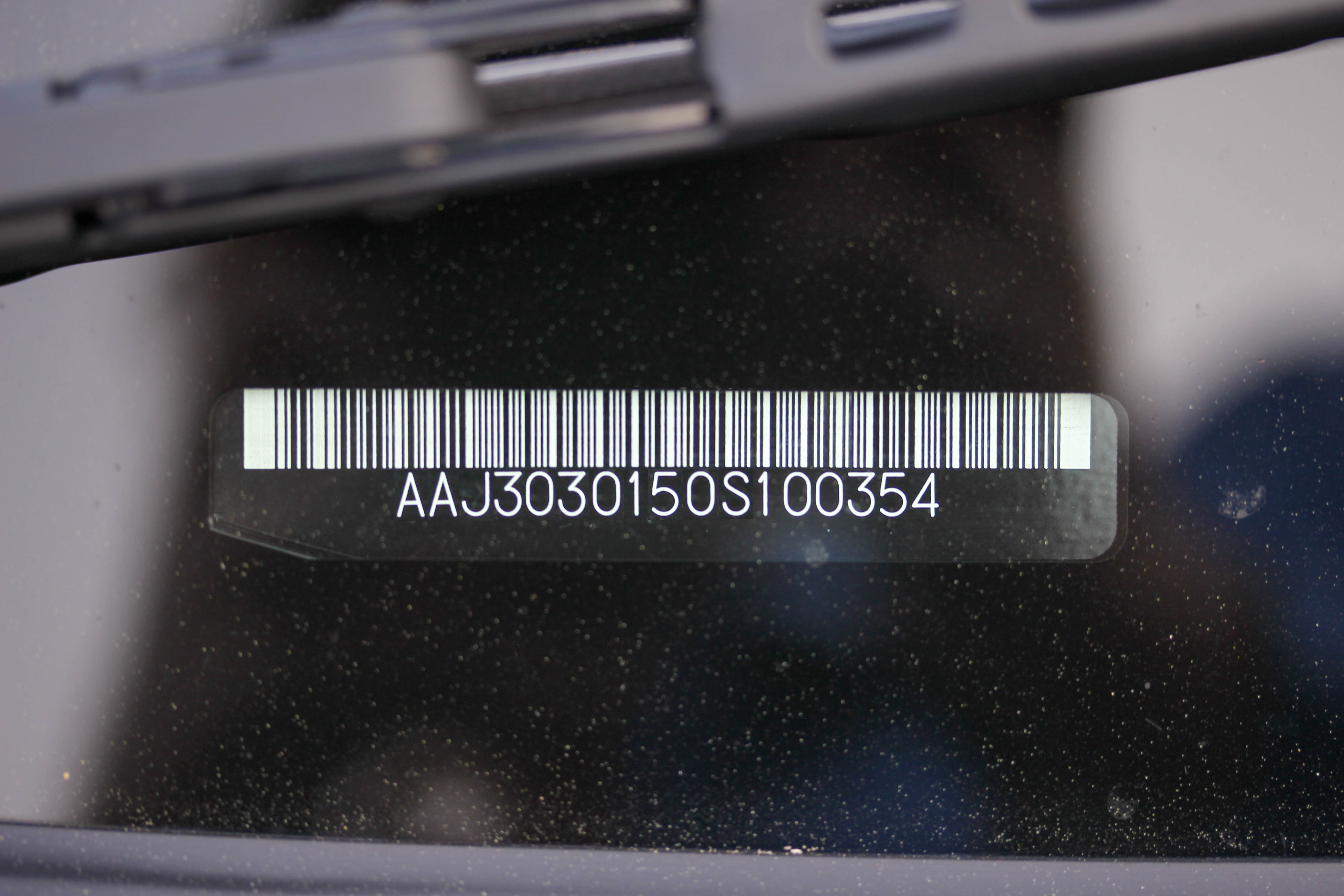
The Vehicle Identification Number matches the V5C exactly, since any difference is one of the strongest warning signs of a cloned or fraudulently altered vehicle. Even a single digit out of place deserves serious attention before proceeding.
The most common reasons VIN and V5C consistency matters include:
- Confirms Genuine Vehicle Identity: A matching VIN confirms the car in front of you is genuinely the one described on the V5C.
- Flags Cloned Vehicles: A mismatch can indicate a stolen car has been given a false identity using someone else's legitimate registration.
- Protects Against Serious Financial Loss: Buying a cloned vehicle can result in losing both the car and the money paid for it.
- Simple and Quick to Check: Comparing the VIN takes just a couple of minutes but protects against a very costly mistake.
- Matches in Every Location: The VIN reads identically on the V5C, the windscreen plate, and any chassis stamp.
Given how serious the consequences of a VIN mismatch can be, this check deserves genuine attention rather than a quick glance. Any inconsistency at all justifies pausing the purchase until it's fully and satisfactorily explained.
What Should You Do if the Seller Cannot Provide the V5C?
If the seller cannot provide the V5C, treat this as a serious warning sign and avoid proceeding with the purchase until a genuine explanation and proper documentation are available. A missing V5C significantly complicates confirming legal ownership.
The most common steps to take if the V5C is missing include:
- Ask for a Clear Explanation: A genuine reason, such as a replacement in progress, is easy to verify directly with the seller.
- Request Confirmation From the DVLA: The seller can confirm a replacement V5C has genuinely been requested if that's the reason given.
- Avoid Paying Before Documentation Arrives: Handing over money without a V5C in place leaves the buyer with very little legal protection.
- Consider Walking Away Entirely: A seller unable to resolve this within a reasonable time frame may not be a safe purchase to proceed with.
- Never Accept a Photocopy as Sufficient: Only an original, genuine V5C provides the legal confirmation a buyer needs.
A missing V5C never counts as a minor inconvenience to work around. The V5C sits at the very centre of proving legal ownership, and proceeding without it exposes buyers to a level of risk that's rarely worth taking.
Why Should You Review the Vehicle's MOT History?
Reviewing a used car's MOT history reveals past test results, recorded mileage, and any recurring faults, giving buyers an independently verified picture of the car's condition over several years. A free check like this takes only minutes but reveals genuinely valuable information.
The most common reasons MOT history matters include:
- Reveals Past Test Results: MOT history shows every pass and failure the car has recorded, along with the specific reasons why.
- Provides Independent Mileage Records: Mileage logged at each test creates a reliable timeline to check for consistency.
- Highlights Recurring Faults: The same advisory appearing repeatedly suggests a problem that was never properly addressed.
- Confirms Current Roadworthiness: A valid, current MOT confirms the car meets minimum legal safety standards right now.
- Supports Price Negotiation: Advisories or past failures provide legitimate, factual grounds for negotiating a fairer price.
- Free and Instant to Check: The official GOV.UK checker provides this history within seconds using just the registration number.
- Builds a Fuller Condition Picture: MOT history complements service records by adding an independently verified layer of evidence.
Given how quick and free this check is, there's little reason for any buyer to skip it. Reviewing MOT history forms one of the very first checks worth completing once a specific car has caught a buyer's interest.
What Information Does the MOT Certificate Provide?
The MOT certificate provides the test date, pass or fail result, recorded mileage, and any advisory notes about developing issues. Together, these details confirm the car's legal roadworthiness at that specific point in time.
The most common information found on an MOT certificate includes:
- Test Date and Result: Confirms exactly when the test took place and whether the car passed or failed.
- Recorded Mileage: Provides an independently logged mileage reading at the time of the test.
- Advisory Notes: Lists issues noted as worth watching, even where the car passed the test overall.
- Failure Reasons: Where applicable, specifies exactly what caused the car to fail a previous test.
- Testing Station Details: Confirms which authorised testing centre carried out the assessment.
Reading through several years of MOT certificates, rather than just the most recent one, gives a much fuller picture of the car's condition trend over time. A car improving or staying consistent tells a very different story than one showing a growing list of concerns.
How Can MOT Records Reveal Recurring Faults?
MOT records reveal recurring faults by showing the same advisory or failure reason appearing across multiple consecutive tests, suggesting an issue that was flagged but never properly resolved. A pattern like this often points toward genuine neglect rather than bad luck.
The most common ways MOT records reveal recurring faults include:
- Repeated Advisory Notes: The same issue appearing year after year suggests it was never actually addressed.
- Pattern of Similar Failures: Failing for related reasons across different tests points toward an ongoing, unresolved problem.
- Worsening Advisory Language: An advisory becoming more urgent over successive tests suggests a developing, worsening fault.
- Consistency Across Testing Stations: The same issue flagged by different testing centres adds further weight to the concern.
- Timing Relative to Repairs: Checking whether a recurring issue was ever followed by an invoice for the relevant repair confirms whether it was fixed.
Spotting a genuine pattern in MOT records gives buyers concrete, factual evidence of a car's true condition, beyond what a single test result alone shows. Pattern recognition like this often reveals more than any individual certificate alone.
Why Should You Compare MOT Mileage Records?
Comparing MOT mileage records confirms the odometer reading increases logically and consistently over time, helping catch potential mileage fraud before it becomes the buyer's problem. Any drop or unrealistic jump between tests deserves serious investigation.
The most common reasons comparing MOT mileage matters include:
- Confirms Logical, Consistent Increase: Genuine mileage rises steadily and believably between each recorded test.
- Flags a Mileage Drop: A lower reading than a previous test is one of the clearest signs of odometer tampering.
- Reveals Unrealistic Jumps: An implausibly large increase between tests can also indicate a recording error or deliberate fraud.
- Cross-Checks Against the Seller's Claim: Comparing official records against the seller's stated mileage confirms consistency.
- Protects the Car's True Value: Verified, genuine mileage protects buyers from overpaying for a car that's actually more worn than it appears.
This comparison takes only a couple of minutes using the free official checker but provides one of the strongest protections available against mileage fraud. Any inconsistency found here justifies pausing the purchase until it's properly explained.
How Can MOT Advisories Help You Negotiate the Purchase Price?
MOT advisories help negotiate the purchase price by providing documented, independent evidence of specific issues the car carries, giving buyers legitimate grounds for a lower offer. Sellers find it far harder to dismiss a concern already recorded officially.
The most common ways MOT advisories support price negotiation include:
- Provides Independent Evidence: Advisories come from an official tester, not the buyer's own opinion, carrying more weight in negotiation.
- Quantifies Likely Repair Costs: Specific advisories can be priced up with a garage quote to support a precise price reduction request.
- Confirms Genuine, Ongoing Issues: A repeated advisory across several tests strengthens the case that a real, unresolved problem exists.
- Reduces Seller Pushback: Sellers find documented, official advisories considerably harder to dismiss than a buyer's personal impression.
- Supports a Fair, Justified Offer: Grounding a lower offer in genuine advisory evidence feels more reasonable to both parties.
(See our related guide, How to Check a Used Car's History Before Buying, for the full process.)
Using MOT advisories as concrete negotiation evidence, rather than a vague request for a discount, consistently produces a fairer outcome for buyers. Grounding negotiation in evidence like this also keeps the conversation focused on fact rather than opinion, which tends to lead to a smoother outcome overall.
Why Is a Full Service History Important?
A full service history is important because it proves a used car has been maintained at the right intervals throughout its life, giving buyers the strongest available evidence of genuine reliability. Documentation like this often matters more than mileage or age alone.
The most common reasons a full service history matters include:
- Confirms Consistent Maintenance: Regular servicing at the correct intervals evidences genuine care rather than neglect.
- Reduces Buying Risk: A complete history significantly lowers the chance of inheriting an undiagnosed mechanical problem.
- Supports Stronger Resale Value: A documented history helps the car hold its value when the buyer eventually sells it on.
- Reveals Major Repair Timing: Records confirm whether significant work, like a timing belt change, has been completed on schedule.
- Builds Genuine Buyer Confidence: Complete documentation replaces assumption with real, verifiable evidence of the car's care.
- Highlights Any Concerning Gaps: Missing periods in an otherwise complete history stand out clearly and deserve direct questions.
- Confirms Compliance With Manufacturer Guidance: Service history shows whether maintenance followed the manufacturer's recommended schedule.
A used car with a genuinely complete, verifiable service history offers considerably more reassurance than one relying purely on a seller's word. Service history documentation remains one of the single most valuable things a buyer can review before committing to a purchase.
What Does a Service History Tell You About the Vehicle?
A service history tells you how consistently a vehicle has been maintained, which specific work has been carried out, and whether any significant repairs remain outstanding. A record like this offers a far clearer picture of true condition than mileage or age alone.
The most common things a service history reveals about a vehicle include:
- Maintenance Consistency: Regular entries at sensible intervals confirm the car has received ongoing, proper care.
- Specific Work Completed: Detailed entries show exactly which parts were replaced or checked at each service.
- Outstanding or Upcoming Work: Records help confirm whether any major service item is due soon after purchase.
- General Ownership Care: A well-organised, complete history often reflects a generally careful, conscientious owner.
- Consistency With Mileage Records: Mileage noted at each service aligns logically with MOT and odometer readings.
Reading a service history carefully, rather than simply confirming one exists, reveals considerably more about a car's true condition than a quick glance ever does. A service history like this repays close attention with genuinely useful insight.
How Can Regular Servicing Improve Reliability?
Regular servicing improves reliability by catching wear and developing issues early, before they turn into more serious, expensive problems. Consistent maintenance at the right intervals keeps components working as the manufacturer intended for far longer.
The most common ways regular servicing improves reliability include:
- Catches Problems Early: Routine checks identify developing issues before they escalate into a major failure.
- Keeps Fluids and Filters Fresh: Regular replacement of oil, filters, and other consumables protects the engine and other systems.
- Confirms Safety-Critical Components: Servicing checks brakes, steering, and suspension components for wear at regular intervals.
- Extends Component Lifespan: Proper maintenance helps parts last closer to their full intended working life.
- Reduces Breakdown Likelihood: Well-serviced cars are considerably less likely to suffer an unexpected, inconvenient breakdown.
A car serviced consistently throughout its life genuinely tends to prove more reliable than one with a patchy or absent history, regardless of mileage. That's exactly why service history often carries more weight than the odometer reading alone.
What Should a Complete Service Record Include?
A complete service record includes documented service intervals, major repairs, timing belt replacement where applicable, brake maintenance, and fluid changes. Together, these entries confirm the full scope of a car's ongoing maintenance.
The most common elements of a complete service record include:
- Service Intervals: Confirms servicing happened at the manufacturer's recommended mileage or time intervals consistently.
- Major Repairs: Documents any significant mechanical work carried out beyond routine servicing.
- Timing Belt Replacement: Confirms this critical component was replaced at the correct interval, avoiding a risk of serious engine damage.
- Brake Maintenance: Records pad, disc, and fluid replacement, confirming this safety-critical system received proper attention.
- Fluid Changes: Confirms oil, coolant, and other essential fluids were replaced at appropriate intervals throughout ownership.
Checking that a service record genuinely covers all of these areas, rather than just showing a few generic stamps, confirms the maintenance was thorough rather than superficial. A record missing several of these elements deserves further questions before proceeding.
Is a Full Service History Always Essential?
A full service history isn't always essential, particularly on older or higher-mileage cars where partial records combined with a careful inspection can still support a confident purchase. That said, missing history always increases risk and warrants a lower price to reflect it.
The most common considerations when a service history isn't complete include:
- Age and Mileage Context Matters: Older cars naturally accumulate more gaps, making a fully complete history less realistic to expect.
- Partial Records Still Add Value: Any available receipts or stamps help offset some of the uncertainty missing history creates.
- Independent Inspection Becomes More Important: A professional check can help compensate for gaps in documented history.
- Price Should Reflect the Risk: Missing history justifies a lower offer, reflecting the added uncertainty a buyer takes on.
- Some Models Carry Less Risk Regardless: Particularly reliable, simple models can carry less risk from missing history than more complex ones.
While a full service history remains the ideal, a missing or incomplete one doesn't automatically rule out a sensible purchase. Buyers factor that gap into their price expectations and lean more heavily on inspection and test drive findings instead.
What Maintenance Records and Receipts Should You Ask For?
Buyers ask for repair invoices covering major work, receipts confirming parts and labour, and any warranty claim documentation. Records like these provide detailed, verifiable proof beyond what a simple service stamp alone can offer.
The most common maintenance records and receipts worth requesting include:
- Major Repair Invoices: Confirm exactly what significant work was carried out, including parts used and labour completed.
- Routine Service Receipts: Provide dated proof that regular servicing genuinely took place as claimed.
- Warranty Claim Paperwork: Reveal any significant issues previously identified and resolved under warranty cover.
- Parts Replacement Records: Confirm specific components, like brakes or tyres, were replaced when needed.
- Garage or Dealer Contact Details: Allow buyers to independently verify records directly with the garage that carried out the work.
- Recall Completion Certificates: Confirm any manufacturer safety recalls have been properly addressed.
- MOT Repair Invoices: Show that any work needed to pass a previous MOT was genuinely completed.
Requesting this level of detail, rather than accepting a vague assurance that "everything's been done," gives buyers considerably stronger evidence to base their decision on. A seller with genuine records to share has no hesitation providing them.
Why Are Repair Invoices Valuable?
Repair invoices are valuable because they provide dated, itemised proof of exactly what work was completed, by whom, and using which parts. That level of detail goes considerably further than a simple service book stamp alone.
The most common reasons repair invoices add real value include:
- Itemised Detail: Invoices specify exact parts and labour, rather than a vague general description of work completed.
- Dated Evidence: A specific date confirms when the work took place relative to the car's mileage at that time.
- Independently Verifiable: Invoices typically include garage contact details, allowing buyers to confirm authenticity directly.
- Confirms Genuine Versus Aftermarket Parts: Some invoices specify whether genuine manufacturer parts were used.
- Supports Warranty and Resale Claims: Detailed invoices can support future warranty claims or add value when reselling the car.
Invoices like these carry far more evidential weight than a seller's verbal claim about what's been done. A seller's willingness to share these records counts as a genuinely positive sign about the car's overall history.
Which Major Repairs Should Be Documented?
Major repairs worth documenting include timing belt replacement, clutch or gearbox work, engine repairs, and suspension or brake system overhauls. Significant repairs like these carry real financial weight and deserve clear, verifiable proof.
The most common major repairs worth seeing documentation for include:
- Timing Belt or Chain Replacement: A critical maintenance item that, if overdue, risks serious engine damage.
- Clutch or Gearbox Repairs: Significant transmission work clearly dated and itemised on the invoice.
- Engine Repair or Rebuild Work: Any major engine intervention deserves particularly thorough documentation.
- Suspension Component Replacement: Confirms significant suspension work was completed properly rather than partially addressed.
- Brake System Overhauls: Major brake work, beyond routine pad replacement, is clearly recorded given its safety importance.
Seeing genuine documentation for these specific, higher-cost repairs reassures buyers that significant work was completed properly rather than left undone or handled poorly. Missing documentation for a claimed major repair deserves particular scrutiny.
How Can Receipts Confirm the Quality of Maintenance?
Receipts confirm the quality of maintenance by showing which garage completed the work, which parts were used, and whether the same issues needed repeated attention. That detail helps distinguish genuinely thorough care from a series of quick, minimal fixes.
The most common ways receipts confirm maintenance quality include:
- Reputable Garage Involvement: Receipts from known, established garages add extra confidence in the quality of work completed.
- Genuine Parts Usage: Receipts specifying genuine manufacturer parts suggest a higher standard of repair than generic alternatives.
- Absence of Repeated Fixes: No recurring receipts for the same issue suggests repairs were completed properly the first time.
- Consistent Servicing Pattern: Receipts showing steady, ongoing maintenance reflect a more conscientious approach than sporadic, reactive fixes.
- Detailed Rather Than Vague Descriptions: Specific, detailed receipts suggest more thorough, professional work than brief, generic ones.
Reviewing receipts with these factors in mind helps buyers judge not just whether maintenance happened, but whether it was genuinely done to a good standard. That distinction can meaningfully affect confidence in the car's long-term reliability.
Why Should You Check the Vehicle Identification Number (VIN)?
Checking the Vehicle Identification Number confirms the car's genuine identity, protecting buyers from cloned or fraudulently altered vehicles. The VIN matches exactly across the car itself, the V5C, and any history report.
The most common reasons checking the VIN matters include:
- Confirms Genuine Vehicle Identity: A matching VIN confirms the physical car matches its official paperwork exactly.
- Protects Against Cloned Vehicles: VIN checks help catch cases where a stolen car has been given a false, legitimate-looking identity.
- Quick and Simple to Verify: Comparing the VIN across a few locations takes only a couple of minutes.
- Supports Every Other Document Check: A confirmed VIN gives buyers confidence that every other document genuinely relates to this specific car.
- Reveals Undeclared Engine Swaps: Checking the engine number alongside the VIN can reveal an undisclosed change of engine.
- Required for History Checks: The VIN, alongside the registration number, supports a more thorough vehicle history check.
- Protects Significant Money at Stake: A simple check like this protects against one of the most serious and costly risks in used car buying.
Given how much protection this single check provides for so little effort, skipping it represents an unnecessary and avoidable risk. VIN verification counts as a non-negotiable step in every used car purchase.
Where Can You Find the VIN on the Vehicle?
The VIN appears on the car in several common locations, including a plate visible through the windscreen, a stamp in the engine bay, and sometimes a sticker inside the door frame. Checking more than one location confirms consistency.
The most common places to find the VIN on a used car include:
- Windscreen Plate: A small metal or plastic plate visible through the windscreen, usually the quickest place to check.
- Engine Bay Stamp: The VIN is often stamped directly into the metal chassis or engine bay area.
- Door Frame Sticker: Many manufacturers also print the VIN on a sticker inside the driver's door frame.
- V5C Registration Certificate: The VIN is printed clearly on the vehicle's official registration document.
- Vehicle History Report: Any paid history check also confirms the VIN associated with that specific registration.
Checking the VIN in at least two of these locations, rather than relying on just one, confirms genuine consistency across the whole vehicle. Any difference between locations deserves serious, immediate attention.
Why Should the VIN Match Every Document?
The VIN matches every document exactly, since even a single-digit difference between the car, the V5C, and any history report represents one of the clearest warning signs of fraud. Consistency here confirms every other document genuinely relates to this specific car.
The most common reasons full VIN consistency matters include:
- Confirms All Documents Relate to the Same Car: Matching VINs prove the paperwork genuinely describes the vehicle in front of you.
- Zero Tolerance for Discrepancy: Even a minor difference deserves serious attention rather than dismissal as a clerical error.
- Protects the History Check's Accuracy: A mismatched VIN means any history check may have been run against the wrong vehicle entirely.
- Confirms Genuine Insurance Validity: Insurance relies on accurate VIN details, so a mismatch can affect a claim later.
- Simple to Verify at No Cost: The check requires nothing more than a careful visual comparison across documents and the car.
Treating VIN consistency as an absolute requirement, rather than a minor formality, protects buyers from one of the most serious risks a used car purchase can carry. A VIN check like this costs nothing yet offers considerable protection.
What Could a Mismatched VIN Indicate?
A mismatched VIN can indicate a cloned or stolen vehicle, a fraudulently altered registration, or a genuine clerical error, though the first two carry serious legal and financial consequences. Any mismatch deserves investigation before proceeding further.
The most common explanations for a mismatched VIN include:
- Vehicle Cloning: A stolen car given the identity of a legitimate vehicle to disguise its true origin.
- Fraudulent Registration Alteration: Deliberately altered paperwork designed to mislead buyers about a car's true history.
- Accident Repair Using Salvaged Parts: In rare legitimate cases, a replaced chassis section might carry a different original VIN.
- Genuine Clerical Error: Occasionally a simple recording mistake, though this still requires verification before being accepted.
- DVLA Record Inconsistency: A discrepancy between DVLA records and the physical car, worth resolving directly with the DVLA.
Given how serious some of these explanations can be, any VIN mismatch justifies pausing the purchase entirely until a clear, verifiable explanation is provided. Walking away remains the safest choice where doubt persists.
Should the Engine Number Also Match Available Records?
The engine number also needs matching available records, since a mismatch can indicate an undeclared engine swap that affects the car's value, insurance validity, and legal status. The engine number check is less well known but still genuinely worthwhile.
The most common reasons engine number consistency matters include:
- Confirms No Undeclared Engine Swap: A matching engine number confirms the original engine remains fitted to the car.
- Affects Insurance Validity: An undeclared engine change can invalidate insurance cover if discovered after a claim.
- Impacts Resale Value Later: A verified, original engine supports stronger resale value when the buyer eventually sells the car on.
- Worth Asking About Directly: A seller with nothing to hide has no difficulty confirming this detail.
- Recorded Alongside Other Vehicle Details: Many history checks and service records also reference the engine number for verification.
While less commonly checked than the VIN itself, confirming the engine number matches available records adds a further, valuable layer of confidence. A small extra step like this can reveal a detail that other checks might otherwise miss entirely.
Why Are Spare Keys and the Owner's Manual Important?
Spare keys and the owner's manual matter because a second key protects against a costly replacement cost, while the manual provides essential reference information for the car's specific features and maintenance needs. Both add genuine value beyond the car itself.
The most common reasons spare keys and the owner's manual matter include:
- Avoids Costly Key Replacement: Modern car keys with immobilisers can cost several hundred pounds to replace if only one is provided.
- Confirms Security History: A missing spare key can suggest one was lost, raising a small security concern about who might still have access.
- Provides Essential Feature Guidance: The owner's manual explains how to use specific features unique to that model and trim level.
- Confirms Maintenance Schedules: The manual specifies manufacturer-recommended service intervals for that exact car.
- Adds to Overall Completeness: A full set of keys and documentation reflects a well cared-for car overall.
- Useful for Warning Light Identification: The manual explains what each dashboard warning light means for that specific model.
- Supports Resale Value Later: A complete set of keys and documentation makes the car more appealing when eventually sold on.
While neither item is strictly essential to a legal purchase, both add genuine practical value and offer a useful clue about how carefully the car has been kept overall. Their absence is worth asking about directly.
Why Do Working Keys Add Value?
Working keys add value by avoiding a costly replacement cost for the buyer, particularly on modern cars with electronic immobilisers built into the key itself. A single working key set can prompt a buyer to negotiate the price down accordingly.
The most common reasons working keys add genuine value include:
- Avoids Expensive Replacement Costs: Modern immobiliser keys can cost several hundred pounds to replace and reprogram.
- Confirms Both Keys Function Properly: Testing both keys confirms neither has a fault that might not otherwise be obvious.
- Removes a Negotiation Point for Buyers: A single key set gives buyers legitimate grounds to request a lower price.
- Reflects General Care: A complete, working key set often reflects a generally well-organised, careful owner.
- Avoids Future Inconvenience: Having two working keys from day one avoids the hassle of arranging a replacement soon after purchase.
Testing every key provided, rather than assuming they all work, takes only a moment but protects against inheriting an unexpected cost shortly after buying the car. A small check like this is well worth including in the overall document and condition review.
What Should You Check When Testing Spare Keys?
When testing spare keys, check that each one starts the engine, operates central locking reliably, and that any remote functions work consistently from a reasonable distance. Testing every key individually confirms none have a hidden fault.
The most common checks worth completing when testing spare keys include:
- Engine Starting Function: Each key starts the engine promptly and reliably without hesitation.
- Central Locking Operation: Remote locking and unlocking work consistently from each key provided.
- Remote Range Testing: Confirming reasonable operating range for each key avoids discovering a fault later.
- Physical Key Condition: Checking for excessive wear or damage on each key confirms they're likely to keep working reliably.
- Battery Condition in Remote Fobs: A key working inconsistently might simply need a new battery rather than indicating a fault.
Testing every key individually, rather than assuming they're all identical in function, confirms genuine reliability across the full set provided. Any key failing to perform consistently deserves further investigation before finalising the purchase.
Why Is the Owner's Manual Useful?
The owner's manual is useful because it explains exactly how to operate specific features, interpret dashboard warning lights, and follow the manufacturer's recommended maintenance schedule for that particular model. The manual remains a valuable reference throughout ownership.
The most common reasons the owner's manual adds genuine value include:
- Explains Model-Specific Features: Every model has unique controls and functions the manual explains clearly.
- Clarifies Warning Light Meanings: The manual confirms exactly what each dashboard warning light indicates for that specific car.
- Confirms Manufacturer Service Intervals: The recommended maintenance schedule helps buyers plan and budget for future servicing.
- Provides Technical Specifications: Details like tyre pressures and fluid types are all confirmed accurately in the manual.
- Useful Reference for Years to Come: The manual remains a valuable resource throughout the entire time the buyer owns the car.
A missing owner's manual isn't a reason to walk away from an otherwise good purchase, but its presence adds genuine practical value worth factoring into the overall impression of the car. Many manufacturers also offer digital versions if the physical copy has been lost.
What Other Documentation May Be Included?
Other documentation that may be included with a used car covers previous MOT certificates, extended warranty paperwork, accessory receipts, and any relevant correspondence from previous owners. Extras like these add further useful background context.
The most common additional documentation sometimes included include:
- Previous MOT Certificates: Physical copies alongside the online record can provide useful extra detail.
- Extended Warranty Certificates: Confirm any additional cover purchased beyond the standard manufacturer warranty.
- Accessory and Modification Receipts: Confirm any factory or aftermarket additions were genuinely fitted and paid for.
- Previous Owner Correspondence: Occasionally useful background context, though not essential to the purchase itself.
- Dealer Preparation Checklists: Some dealers provide a record of pre-sale checks completed before the car was offered.
While none of these additional documents are strictly required, their presence reflects a seller who's kept the car's paperwork organised and complete. That attention to detail often extends to how well the car itself has been maintained too.
Should You Ask for Warranty Documents?
Buyers ask for warranty documents to confirm whether any manufacturer or extended warranty cover remains active on the used car. Warranty paperwork clarifies exactly what protection, if any, continues after the purchase completes.
The most common reasons to request warranty documentation include:
- Confirms Remaining Manufacturer Cover: Warranty paperwork shows exactly how much of the original manufacturer warranty term remains.
- Reveals Extended Warranty Details: Documents confirm whether additional cover was purchased and what it specifically includes.
- Clarifies Transfer Eligibility: Some warranties transfer automatically to a new owner, while others require formal notification.
- Highlights Important Exclusions: Warranty documents specify exactly what isn't covered, avoiding false assumptions later.
- Supports Future Claims: Having the paperwork to hand makes any future warranty claim considerably more straightforward.
- Confirms Registration Requirements: Some warranties require formal registration of the new keeper to remain valid.
- Adds to Overall Purchase Confidence: Clear warranty documentation reduces uncertainty about post-purchase financial protection.
Requesting this documentation costs nothing and can reveal valuable ongoing protection a buyer might otherwise not realise they have. Even where no warranty remains, confirming this clearly avoids a false assumption of cover that isn't actually there.
Does the Vehicle Still Have a Manufacturer's Warranty?
Whether the vehicle still has a manufacturer's warranty depends on its age and mileage relative to the original warranty term, typically three years or a specified mileage limit from new. Checking the exact registration date and terms confirms current status.
The most common ways to confirm remaining manufacturer warranty include:
- Checking the Registration Date: Comparing the car's age against the standard warranty term confirms whether cover is likely to remain.
- Reviewing Original Warranty Paperwork: The original documentation specifies the exact term and any mileage limit that applies.
- Contacting the Manufacturer Directly: Manufacturers can often confirm remaining warranty status using the VIN or registration number.
- Checking for Extended Terms: Some manufacturers offer longer warranty periods than the standard three years as standard.
- Confirming Any Prior Claims: Reviewing whether previous claims have affected the remaining warranty term or conditions.
Confirming genuine remaining warranty status before finalising a purchase avoids either missing out on valuable cover or mistakenly assuming protection that no longer applies. A check like this takes only a few minutes but clarifies an important part of the overall purchase picture.
What Does an Extended Warranty Cover?
An extended warranty typically covers major mechanical and electrical components, including the engine, gearbox, and key systems, for a period beyond the original manufacturer term. Exact coverage varies considerably between providers and specific policies.
The most common areas an extended warranty typically covers include:
- Engine Components: Major engine parts and systems are commonly covered under most extended warranty policies.
- Gearbox and Transmission: Significant transmission components typically fall within standard extended warranty coverage.
- Electrical Systems: Many policies cover key electrical components, including sensors and control units.
- Suspension and Steering: Some policies extend coverage to major suspension and steering components too.
- Air Conditioning Systems: Certain extended warranties include cover for air conditioning components specifically.
Reading the specific policy document carefully, rather than assuming broad coverage, confirms exactly what protection a particular extended warranty genuinely provides. Coverage varies enough between providers that this detail is well worth checking thoroughly.
Which Exclusions Should Buyers Understand?
Understanding exclusions covering wear-and-tear items, pre-existing faults, and components requiring regular maintenance matters, since most warranties specifically exclude these regardless of the overall policy scope. Reading the fine print avoids a false assumption of cover.
The most common warranty exclusions worth understanding include:
- Wear-and-Tear Items: Tyres, brake pads, and similar consumables are almost universally excluded from warranty cover.
- Pre-Existing Faults: Issues present before the warranty began typically aren't covered, even if only discovered later.
- Lack of Maintenance Evidence: Some warranties require proof of regular servicing to remain valid, void without it.
- Modifications or Non-Standard Use: Aftermarket modifications can invalidate warranty cover on affected components.
- Specific Component Exclusions: Certain parts, like the clutch or infotainment system, are sometimes excluded entirely depending on the policy.
Understanding these exclusions before relying on warranty cover prevents an unpleasant surprise if a claim is later declined. Reading the full policy document, rather than assuming standard, broad protection, remains well worth the time investment.
Which Finance and Ownership Documents Should Be Verified?
Buyers verify documents confirming no outstanding finance remains, that ownership details genuinely match the seller, and clarity on whether the seller is acting on someone else's behalf. Checks like these protect against losing both the car and the money paid.
The most common finance and ownership documents worth verifying include:
- Finance Check Results: Confirm whether any hire purchase or personal loan agreement remains attached to the car.
- Settlement Confirmation Letters: Prove that any previous finance agreement has been genuinely and fully cleared.
- V5C Ownership Details: Confirm the registered keeper matches the person actually selling the car.
- Written Authorisation for Third-Party Sales: Confirms a seller genuinely has permission to sell on someone else's behalf.
- Bank Transfer Records: Provide a traceable record of payment, useful evidence if any dispute arises later.
- Proof of Address Matching the V5C: Adds a further layer of confidence that the seller is genuinely who they claim to be.
- Company Ownership Documentation: Where relevant, confirms a business seller's legal right to sell the vehicle.
Verifying these financial and ownership details protects buyers from two of the most serious risks in used car buying: losing the car to repossession and losing money to an unauthorised seller. Both risks are entirely avoidable with proper checking.
How Can You Confirm There Is No Outstanding Finance?
Outstanding finance can be confirmed through a paid vehicle history check, which cross-references the registration and VIN against finance industry databases. A dedicated check like this reveals whether any hire purchase or loan agreement remains attached to the car.
The most common ways to confirm there's no outstanding finance include:
- Paid Vehicle History Check: A dedicated check specifically searches finance industry databases for any recorded agreement.
- Asking the Seller Directly: A direct question gives an early indication of the seller's transparency, though it still needs independent verification.
- Requesting Settlement Confirmation: Where finance previously existed, a letter confirming full settlement provides concrete proof.
- Checking for Multiple Recent Owners: Frequent recent ownership changes can sometimes indicate unresolved finance being passed along.
- Verifying Before Any Payment: Completing this check before handing over any money removes the single biggest risk in the process.
This check typically costs a small amount but protects against a risk that can otherwise cost the entire value of the car. Completing it before arranging payment remains one of the most important steps in the whole buying process.
Why Should Ownership Details Match the Seller?
Ownership details matching the seller confirms their legal right to sell the car, since a mismatch raises genuine questions and risks a dispute or even the sale being invalidated later. Confirming this alignment protects buyers from a serious ownership complication.
The most common reasons ownership and seller details must align include:
- Confirms Legal Authority to Sell: Matching details confirm the seller genuinely has the right to transfer ownership of the car.
- Reduces Risk of Later Disputes: Alignment here avoids a scenario where the true owner later disputes the sale's validity.
- Supports Clean Ownership Transfer: Matching details make the V5C transfer process straightforward and free of complication.
- Builds Buyer Confidence: Clear, consistent ownership details reassure buyers the transaction is genuinely straightforward.
- Simplifies Future Resale: A clean, consistent ownership chain makes the car easier to resell with confidence later.
Any mismatch between the registered keeper and the actual seller deserves a clear, verifiable explanation before proceeding. Legitimate reasons do exist, but confirming them properly protects against a costly and stressful ownership dispute later.
What if the Seller Is Acting on Behalf of Someone Else?
If the seller is acting on behalf of someone else, request written authorisation confirming this arrangement and verify the actual registered keeper's identity separately where possible. Written authorisation like this protects both parties from a later ownership dispute.
The most common considerations when a seller acts on someone else's behalf include:
- Requesting Written Authorisation: A signed note or letter from the registered keeper confirms the seller's legitimate authority.
- Verifying the Registered Keeper's Identity: Where possible, confirming details directly with the actual owner adds further reassurance.
- Understanding Common Legitimate Reasons: Family members selling on behalf of an elderly relative represents one common, genuine scenario.
- Checking Business Sale Arrangements: Company or estate sales sometimes involve a representative acting on the registered owner's behalf.
- Documenting the Arrangement Clearly: Keeping a written record of the arrangement protects the buyer if questions arise later.
(See our related guide, How to Check a Used Car's History Before Buying, for the full verification process.)
While plenty of legitimate reasons exist for someone other than the registered keeper handling a sale, confirming this arrangement properly protects buyers from an avoidable dispute. A little extra diligence here costs nothing but adds genuine peace of mind.
How Can You Spot Fake or Fraudulent Vehicle Documents?
Fake or fraudulent vehicle documents can be spotted through inconsistencies between paperwork, evidence of alteration, unexplained handwritten changes, and details that simply don't add up when checked carefully. Recognising these signs protects buyers from a serious, costly scam.
The most common ways to spot fake or fraudulent documents include:
- Cross-Checking Every Detail: Comparing information across the V5C, service history, and MOT records reveals inconsistencies genuine paperwork wouldn't show.
- Examining Document Security Features: Genuine V5C documents include specific watermarks and security elements worth checking closely.
- Looking for Signs of Alteration: Correction fluid, mismatched fonts, or uneven printing all suggest a document has been tampered with.
- Questioning Handwritten Changes: Unexplained handwritten amendments on official documents deserve serious scrutiny.
- Verifying Independently Where Possible: Contacting the DVLA or a garage directly confirms whether paperwork is genuinely accurate.
- Trusting Instinct Alongside Evidence: A feeling that something isn't quite right often deserves further investigation rather than dismissal.
- Walking Away When Doubt Persists: Unresolved concerns about document authenticity justify ending the purchase rather than proceeding on hope.
Fraudulent paperwork exists specifically to deceive buyers who don't look closely, making careful, deliberate checking one of the strongest protections available. Taking the time to examine documents properly protects against a scam that can otherwise cost thousands of pounds.
Which Inconsistencies Should Raise Concerns?
Inconsistencies that raises concerns include mismatched VINs, conflicting mileage figures, differing owner names across documents, and dates that don't logically align with the car's claimed history. Any of these deserves a clear, satisfactory explanation.
The most common inconsistencies worth watching for include:
- Mismatched VINs Across Documents: Any difference between the car, V5C, and history report represents a serious red flag.
- Conflicting Mileage Figures: Different mileage readings across service records, MOT history, and the seller's claim don't add up.
- Differing Owner Names: Inconsistent names across documents suggest either an error or a more serious ownership problem.
- Illogical Dates: Service or repair dates that don't align sensibly with the car's age or mileage history deserve questioning.
- Missing Expected Cross-References: Genuine documents typically reference consistent details, and their absence can be telling.
Spotting even one of these inconsistencies justifies pausing to investigate further before proceeding with the purchase. Genuine paperwork tells one consistent, believable story across every document reviewed.
How Can Altered Paperwork Indicate Fraud?
Altered paperwork can indicate fraud through visible signs like correction fluid, mismatched printing styles, or numbers that appear to have been changed after the original document was created. Signs like these suggest deliberate tampering rather than an honest mistake.
The most common signs of altered paperwork include:
- Visible Correction Fluid or Erasure Marks: Genuine official documents shouldn't show signs of manual correction.
- Mismatched Fonts or Printing Styles: Inconsistent text formatting suggests a document has been edited after original creation.
- Uneven Alignment or Spacing: Numbers or text sitting oddly compared to the rest of a printed document suggest tampering.
- Photocopied Sections Within an Otherwise Original Document: A mix of original and copied elements raises immediate suspicion.
- Security Features Appearing Inconsistent: Watermarks or security elements that look different from genuine examples suggest a forgery.
Any of these signs justifies treating the document, and potentially the entire sale, with serious caution. Comparing a suspicious document against a known genuine example, where possible, helps confirm whether concerns are justified.
Why Should Handwritten Changes Be Questioned?
Handwritten changes deserve questioning because official vehicle documents are typically printed, and any manual amendment suggests either an administrative correction requiring verification or a deliberate, fraudulent alteration. Both possibilities deserve careful investigation.
The most common reasons to question handwritten changes include:
- Official Documents Are Normally Printed: Genuine V5C and MOT documents don't typically include handwritten amendments.
- Could Indicate a Legitimate Correction: Some handwritten notes reflect a genuine, verifiable administrative update.
- Could Indicate Deliberate Fraud: Handwritten changes can also disguise altered mileage, dates, or other key details.
- Difficult to Verify Independently: Handwritten amendments are harder to confirm as genuine compared to official printed records.
- Worth Confirming Directly With the Issuing Body: Contacting the DVLA or relevant garage clarifies whether a handwritten change is legitimate.
Treating every handwritten change with healthy scepticism, rather than accepting it at face value, protects against a common and effective method of document fraud. A genuine explanation is easy to verify independently if it truly exists.
When Should You Walk Away From the Purchase?
Walking away from the purchase makes sense when document inconsistencies remain unexplained, when signs of alteration are confirmed, or when a seller becomes evasive about answering direct questions regarding the paperwork. Situations like these carry too much risk to proceed.
The most common situations where walking away makes sense include:
- Unresolved Document Inconsistencies: Any mismatch that can't be clearly and satisfactorily explained justifies ending the purchase.
- Confirmed Signs of Alteration: Clear evidence of tampering removes any reasonable basis for trusting the remaining paperwork.
- Seller Evasiveness or Reluctance: A seller unwilling to answer direct questions about documentation raises serious concern.
- Refusal to Allow Independent Verification: Objecting to a buyer contacting the DVLA or a garage directly suggests something to hide.
- A Persistent Feeling Something Isn't Right: Trusting genuine instinct, alongside concrete evidence, remains a valid part of the decision.
Recognising when to walk away protects buyers from the natural temptation to proceed simply because time has already been invested in viewing a car. Other used cars always remain available, but a fraudulent purchase can prove very difficult and costly to resolve afterward.
What Should You Do if Documents Are Missing?

If documents are missing, weigh up which specific paperwork is absent, request a genuine explanation from the seller, and factor any remaining uncertainty into the price or decision to proceed at all. Not every gap is equally serious, but every gap deserves attention.
The most common steps to take when documents are missing include:
- Identify Exactly What's Missing: Confirming precisely which document is absent helps judge how serious the gap genuinely is.
- Request a Clear Explanation: A genuine reason for a missing document is straightforward for an honest seller to provide.
- Weigh the Risk Against the Car's Age: Older cars naturally carry more gaps, while a missing V5C on any car remains serious regardless.
- Adjust Price Expectations Accordingly: Missing paperwork justifies a lower offer, reflecting the added uncertainty involved.
- Consider an Independent Inspection: A professional check can help offset some of the uncertainty missing documents create.
- Know When to Walk Away: Certain missing documents, particularly the V5C, represent too serious a risk to proceed past.
- Document Your Own Due Diligence: Keeping a record of questions asked and answers given protects the buyer if problems arise later.
Not every missing document carries the same weight, so treating each gap individually rather than panicking over any absence helps buyers make a sensible, proportionate decision. A missing service record differs considerably in seriousness from a missing V5C.
Is It Safe to Buy a Car Without a V5C?
Buying a car without a V5C isn't safe, since this document proves legal ownership and its absence makes confirming the seller's right to sell the car considerably harder. A genuine seller can resolve this quickly through the DVLA if a replacement is genuinely needed.
The most common considerations regarding a missing V5C include:
- Represents a Serious Ownership Risk: Without a V5C, confirming legal ownership becomes considerably more difficult and uncertain.
- A Genuine Replacement Takes Time: A legitimate lost V5C typically takes a couple of weeks to replace through the DVLA.
- Buyers Can Request Proof of the Application: A genuine seller can show evidence a replacement has actually been requested.
- Payment Should Wait for Documentation: Handing over money before a V5C is available leaves buyers with very limited protection.
- Persistent Absence Justifies Walking Away: A seller unable to resolve this within a reasonable timeframe presents too much risk to proceed with.
Given how central the V5C is to confirming legal ownership, proceeding without it represents a genuinely unsafe purchase in almost every circumstance. Waiting for proper documentation, even if it delays the purchase slightly, remains the sensible choice.
Can You Buy a Vehicle With a Partial Service History?
You can buy a vehicle with a partial service history, particularly on an older car where some gaps are common, provided the available records are genuine and the price reflects the added uncertainty. A careful inspection helps compensate for the missing detail.
The most common considerations when buying with partial service history include:
- Age Affects Reasonable Expectations: Older vehicles naturally accumulate more realistic gaps in their documented history.
- Available Records Still Add Value: Partial records provide more reassurance than no documentation at all.
- Inspection Becomes More Important: A thorough physical check helps offset some of the uncertainty a partial history creates.
- Price Should Reflect the Gap: A lower offer fairly accounts for the added risk a partial history represents.
- Consistency in Available Records Matters: Genuine, consistent partial records still tell a believable, if incomplete, story about the car.
A partial service history doesn't automatically rule out a sensible purchase, provided buyers approach the decision with appropriately adjusted expectations and pricing. Combining what documentation exists with a careful inspection remains a reasonable way forward.
Should Missing Paperwork Affect the Purchase Price?
Missing paperwork genuinely affects the purchase price, since it represents added risk and uncertainty that a buyer takes on by proceeding without full documentation. A fair price reflects this reduced confidence compared to a car with complete records.
The most common ways missing paperwork influences price include:
- Reflects Genuine Added Risk: A lower price fairly compensates the buyer for the uncertainty missing documents create.
- Varies by Which Document Is Missing: A missing V5C justifies far greater price concern than a missing owner's manual.
- Supports Confident Negotiation: Missing paperwork provides legitimate, factual grounds for requesting a price reduction.
- Should Be Discussed Openly With the Seller: Raising this directly, rather than assuming it, leads to a fairer overall negotiation.
- Doesn't Replace Proper Investigation: A discounted price doesn't remove the value of still investigating why documents are missing in the first place.
Treating missing paperwork as a legitimate factor in price negotiation, rather than either ignoring it or refusing to proceed at all, often leads to a fair outcome for both buyer and seller. Grounding the conversation in genuine risk rather than assumption like this keeps negotiation productive and fair.
When Is It Better to Avoid the Purchase Entirely?
It's better to avoid the purchase entirely when the V5C is missing without a credible explanation, when multiple significant documents are absent together, or when the seller can't or won't address reasonable questions about the gaps. Situations combined like these carry too much combined risk.
The most common situations where avoiding the purchase makes sense include:
- Missing V5C Without Credible Explanation: A missing V5C alone often justifies stepping away from the purchase.
- Multiple Significant Gaps Together: Several major documents missing at once suggests a pattern rather than an isolated oversight.
- Seller Unable to Answer Reasonable Questions: Genuine uncertainty from the seller about their own car's paperwork raises real concern.
- Missing Documents Combined With Other Red Flags: Paperwork gaps alongside inconsistent mileage or evasive answers compound the overall risk.
- Price Doesn't Adequately Reflect the Risk: A seller unwilling to adjust price despite significant missing paperwork suggests an unreasonable, risky deal.
Recognising when the combined weight of missing documentation makes a purchase too risky protects buyers from a decision they might later regret. Plenty of other used cars exist with complete, verifiable paperwork worth pursuing instead.
How Do Vehicle Documents Support Other Buying Checks?
Vehicle documents support other buying checks by confirming the paperwork matches the car's physical condition, the test drive experience, and the findings of a full history check. Together, these combined checks build a genuinely complete picture before purchase.
The most common ways documents support the wider buying process include:
- Confirms Physical Condition Claims: Paperwork aligns with what a careful inspection actually reveals about the car.
- Supports Test Drive Expectations: Service records help buyers understand what to expect, and watch for, during the test drive itself.
- Cross-Checks History Report Findings: Comparing paperwork against a paid history check confirms consistency across every source.
- Provides a Reference Point Throughout: Documents give buyers a factual baseline to compare every other check against.
- Reduces Reliance on the Seller's Word Alone: Independent paperwork reduces how much buyers rely on simply trusting what they're told.
- Ties Together the Whole Buying Process: Combining documents, inspection, test drive, and history check leaves very little room for a hidden surprise.
- Strengthens the Final Buying Decision: A car performing well across every combined check offers considerably stronger confidence than any single check alone.
No single check in the buying process fully replaces any of the others, since paperwork, physical condition, driving performance, and history each reveal a different category of risk. Bringing all of them together consistently produces the safest, most confident purchase decision.
How Should You Compare Paperwork With the Vehicle's Physical Condition?
Comparing paperwork with the vehicle's physical condition means checking that claimed mileage matches visible wear, that documented repairs are reflected in the car's actual condition, and that the VIN and specification details align exactly. Inconsistencies here deserve direct questions.
The most common ways to compare paperwork against physical condition include:
- Mileage Versus Physical Wear: Pedal, seat, and steering wheel wear reasonably match the claimed mileage on paper.
- Documented Repairs Versus Visible Evidence: A claimed repair, like a respray, shows consistent, professional evidence on the car itself.
- Specification Matching Paperwork: Engine size, colour, and trim level matches exactly what the documents describe.
- Service Sticker Versus Service Book: A physical service reminder sticker aligns with the dates recorded in the service book.
- Overall Condition Versus Claimed History: A car in noticeably worse condition than its paperwork suggests deserves further investigation.
(See our related guide, What to Look for When Buying a Used Car, for a full inspection checklist.)
Treating the paperwork and the physical car as two sources telling the same consistent story helps buyers catch a discrepancy either one alone might miss. Any mismatch between the two deserves a clear explanation before proceeding further.
How Should You Confirm the Documents Before the Test Drive?
Confirming documents before the test drive means reviewing the V5C, service history, and MOT records first, so any concerns get specifically investigated once the car is actually being driven. That order makes the test drive itself considerably more focused and productive.
The most common reasons to confirm documents before the test drive include:
- Identifies Specific Concerns to Test For: A documented advisory or repair can be specifically checked during the drive itself.
- Confirms the Car Matches Its Paperwork: Reviewing documents first establishes a baseline to compare the physical car against.
- Saves Time on Clearly Unsuitable Cars: Serious paperwork issues found early can avoid wasting time on a test drive altogether.
- Supports More Informed Questions: Reviewing documents first helps frame more targeted, useful questions during the viewing.
- Builds a More Complete Overall Picture: Combining document review with the test drive produces a considerably fuller assessment.
(See our related guide, How to Test Drive a Used Car Before Buying, for a complete checklist.)
Reviewing paperwork before setting off, rather than after, makes the entire viewing appointment more efficient and genuinely more useful. That order also reduces the risk of forgetting to check a specific concern once caught up in the driving experience itself.
Why Should You Review Paperwork Alongside the Vehicle History Report?
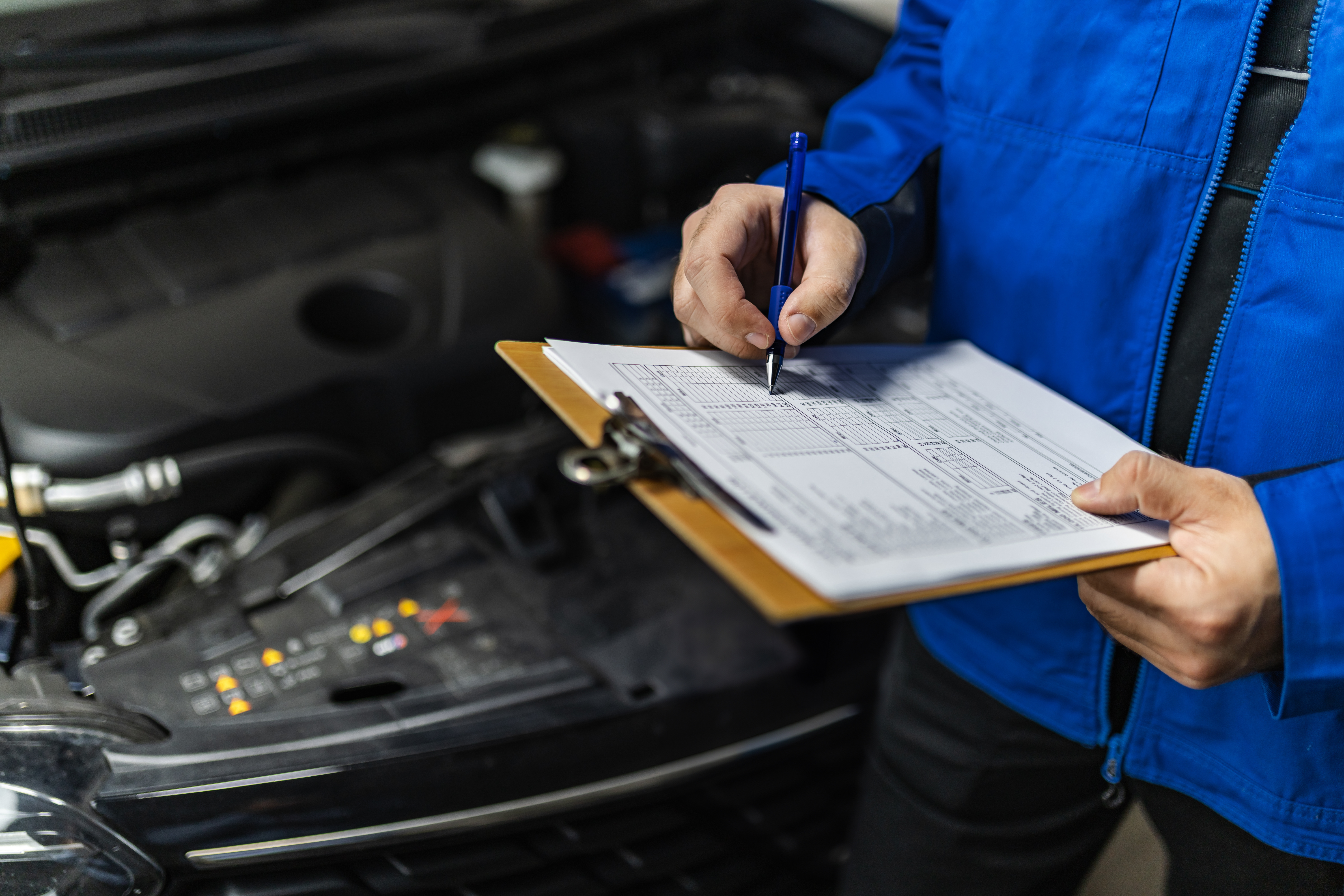
Reviewing paperwork alongside the vehicle history report matters because each source can reveal something the other might miss, and comparing them together confirms genuine consistency across every available piece of evidence. A combined review like this offers the strongest protection available.
The most common reasons to review paperwork alongside a history report include:
- Confirms Consistency Across Sources: Matching details between physical paperwork and the official history report build genuine confidence.
- Catches What a Single Source Might Miss: A history report can reveal finance or write-off status that paperwork alone wouldn't show.
- Verifies Claimed Mileage Independently: Comparing service book entries against the history report's mileage record adds a further layer of verification.
- Reveals Ownership History Discrepancies: A history report showing more owners than the paperwork suggests deserves direct clarification.
- Provides the Fullest Possible Picture: Combining every available source consistently produces the most complete assessment.
(See our related guide, How to Check a Used Car's History Before Buying, for the full process.)
Treating physical paperwork and the official history report as complementary rather than duplicate sources helps buyers catch inconsistencies that either alone might not reveal. Combining documents and history checks like this remains one of the strongest protections available before finalising a used car purchase.
What Mistakes Do Buyers Make When Checking Vehicle Documents?
The most common mistakes buyers make include checking only the V5C, ignoring gaps in service history, failing to verify the VIN, trusting photocopies over originals, and not comparing every document carefully against each other. Avoiding these mistakes considerably reduces buying risk.
The most common document-checking mistakes to avoid include:
- Checking Only the V5C: Relying on a single document misses the fuller picture other paperwork provides.
- Ignoring Gaps in Service History: Dismissing missing records as unimportant overlooks a potentially serious warning sign.
- Failing to Verify the VIN: Skipping this simple check risks missing one of the clearest signs of a cloned vehicle.
- Trusting Photocopies Instead of Originals: Accepting copied documents removes an important layer of fraud protection.
- Not Comparing Documents Against Each Other: Reviewing paperwork in isolation misses inconsistencies only visible through comparison.
- Rushing the Document Review: Skimming paperwork quickly under time pressure risks missing a genuinely important detail.
- Assuming a Clean-Looking Car Means Clean Paperwork: A tidy, well-presented car says nothing about the accuracy of its documentation.
Recognising these common mistakes in advance helps buyers approach document checking far more thoroughly and carefully. A methodical, complete review consistently catches far more than a rushed, partial glance at just one or two documents.
Is Checking Only the V5C Enough?
Checking only the V5C isn't enough, since this document alone can't reveal outstanding finance, service history, or mileage consistency, all of which require reviewing additional paperwork. A complete check requires looking well beyond the V5C.
The most common reasons the V5C alone falls short include:
- Doesn't Reveal Outstanding Finance: The V5C confirms registration but says nothing about money still owed against the car.
- Doesn't Show Maintenance History: Service records and MOT certificates sit entirely outside what the V5C document covers.
- Doesn't Confirm Genuine Mileage: Mileage verification requires cross-referencing MOT and service records, not the V5C alone.
- Doesn't Reveal Write-Off or Stolen Status: Risks like write-off or stolen status require a dedicated vehicle history check to uncover.
- Provides Only Part of the Full Picture: The V5C forms an essential foundation, but genuinely complete due diligence requires much more.
Treating the V5C as a starting point rather than the entire check protects buyers from missing several other serious risks a used car purchase can carry. Genuinely thorough document checking always extends well beyond this single certificate.
Why Should You Never Ignore Gaps in the Service History?
Gaps in the service history deserve attention rather than dismissal, since they can hide a period of neglect, an unresolved developing fault, or genuine uncertainty about the car's true condition during that time. Every gap deserves a direct, specific question to the seller.
The most common reasons service history gaps matter include:
- Can Hide Genuine Neglect: A gap might reflect a period where the car simply wasn't properly maintained.
- Increases Uncertainty About Condition: Without records, buyers can't confirm what state the car was genuinely in during that period.
- May Indicate a Change in Ownership Circumstances: Gaps sometimes align with a change of owner, worth understanding further.
- Affects Overall Buyer Confidence: Even one significant gap can undermine confidence in an otherwise strong-looking service history.
- Deserves a Specific, Direct Question: Asking the seller directly about a gap often reveals useful context either way.
Dismissing a gap as insignificant risks missing a genuine warning sign about the car's true condition during that period. Treating every gap as worth investigating, rather than assuming it doesn't matter, protects buyers from an avoidable oversight.
Why Is Failing to Verify the VIN a Common Mistake?
Failing to verify the VIN is a common mistake because many buyers assume the paperwork is automatically genuine without checking, missing one of the clearest and most serious warning signs of a cloned or fraudulently altered vehicle. A simple check like this is often skipped despite taking only minutes.
The most common reasons VIN verification gets overlooked include:
- Assumed to Be Unnecessary: Many buyers assume paperwork is automatically genuine without a reason to think otherwise.
- Seen as Overly Technical: Some buyers wrongly assume VIN checking requires specialist knowledge rather than simple comparison.
- Rushed Viewing Appointments: Time pressure during a viewing can mean this quick check gets skipped entirely.
- Overshadowed by Other Checks: Buyers sometimes focus entirely on condition and history, forgetting this simpler paperwork check.
- Underestimating the Risk Involved: Many buyers don't fully appreciate how serious the consequences of a VIN mismatch can be.
Given how quick and simple VIN verification genuinely is, there's little excuse for skipping it during any used car purchase. Making this check a standard, non-negotiable step protects against one of the more serious risks a buyer can face.
Should You Trust Photocopies Instead of Original Documents?
You shouldn't trust photocopies instead of original documents, since copies can be altered far more easily and don't carry the same security features or legal weight as genuine originals. A seller providing only photocopies deserves serious caution.
The most common reasons photocopies fall short of originals include:
- Easier to Alter Undetected: Photocopies can hide evidence of tampering that would be visible on a genuine original.
- Missing Security Features: Copies typically don't reproduce watermarks or other security elements found on genuine documents.
- Reduced Legal Standing: Original documents carry stronger legal weight than a photocopy in the event of a dispute.
- Common Tactic in Fraudulent Sales: Sellers involved in fraud sometimes provide photocopies specifically to disguise alterations.
- No Legitimate Reason to Withhold Originals: A genuine seller has no reasonable cause to provide only copies rather than originals.
Insisting on seeing original documents, rather than accepting photocopies, removes one of the easier routes for a fraudulent seller to disguise altered paperwork. A simple insistence like this costs nothing but adds a meaningful layer of protection.
Why Should You Compare Every Document Carefully?
Comparing every document carefully matters because inconsistencies between paperwork often only become visible when checked against each other, rather than reviewed in isolation. Careful cross-referencing like this catches problems a single document review would miss entirely.
The most common reasons careful document comparison matters include:
- Reveals Hidden Inconsistencies: Comparing details across documents surfaces discrepancies invisible when reviewing paperwork individually.
- Confirms a Consistent Overall Story: Genuine documents tell the same consistent account of the car's history throughout.
- Catches Errors as Well as Fraud: Careful comparison catches genuine mistakes as well as deliberate attempts at deception.
- Builds Considerably Stronger Confidence: A fully consistent set of documents offers far more reassurance than any single one alone.
- Takes Only a Little Extra Time: A thorough comparison like this adds only a few extra minutes to the overall buying process.
Taking the time to genuinely cross-reference every document, rather than glancing at each in isolation, remains one of the most effective ways to catch a serious problem before it becomes the buyer's own. A small extra effort like this consistently pays for itself many times over.
What Are the Most Frequently Asked Questions About Used Car Documents?
This section answers the most common questions UK buyers ask about checking a used car's documents before purchase.
The most common questions covered in this section include:
- Original V5C Requirements: Whether the original V5C is genuinely necessary to complete a purchase.
- Service History Availability: Whether buying without a service history is a realistic option.
- MOT Certificate Meaning: Whether an MOT certificate confirms a car is entirely fault-free.
- Key and Documentation Expectations: How many keys and how much paperwork to expect after buying.
- Verification Options: Whether documents can be verified independently online.
- VIN Mismatch Situations: What to do if the VIN doesn't match the paperwork provided.
- Post-Purchase Paperwork: What documentation to expect once the sale has completed.
Working through these questions addresses most of the practical uncertainty buyers have before checking their own used car's paperwork.
Do I Need the Original V5C to Buy a Used Car?
Yes, you need the original V5C to buy a used car safely, since this document proves legal ownership and a photocopy doesn't carry the same legal weight or security features. Proceeding without an original leaves buyers with very limited protection.
The most common reasons the original V5C matters include:
- Provides Genuine Legal Proof: Only the original document carries the legal weight needed to confirm ownership properly.
- Includes Security Features a Copy Lacks: Watermarks and other security elements don't reproduce reliably on a photocopy.
- Required for Proper Ownership Transfer: Completing the transfer process correctly requires the genuine, original document.
- Reduces Fraud Risk Considerably: Insisting on an original removes an easy route for a fraudulent seller to disguise alterations.
- Standard Practice for Legitimate Sales: Any honest seller has no difficulty providing the genuine original document.
Treating the original V5C as an absolute requirement, rather than accepting a copy as sufficient, protects buyers from one of the more serious risks in used car buying.
Can I Buy a Used Car Without a Service History?
You can buy a used car without a service history, though this significantly increases risk and warrants a lower price alongside a more thorough independent inspection. Older or higher-mileage cars are somewhat more likely to have incomplete records.
The most common considerations when buying without a service history include:
- Increases Overall Uncertainty: Without records, confirming how well the car has genuinely been maintained becomes considerably harder.
- Justifies a Lower Purchase Price: The added risk warrants a fair price reduction from the seller.
- Makes Inspection More Important: A thorough physical check helps compensate for the missing documented history.
- Varies by Vehicle Age: Older vehicles naturally carry a higher likelihood of incomplete historical records.
- Doesn't Automatically Rule Out a Purchase: A missing history alone doesn't necessarily mean walking away, provided other checks support the decision.
While not ideal, a missing service history doesn't automatically disqualify a used car from consideration, provided buyers adjust their expectations and approach accordingly.
Is an MOT Certificate Proof That a Vehicle Is Mechanically Perfect?
An MOT certificate isn't proof that a vehicle is mechanically perfect, since it only confirms the car met minimum legal safety standards on the specific day it was tested. Many components can develop faults shortly after a successful test.
The most common reasons an MOT certificate has limits include:
- Only Confirms a Single Point in Time: The certificate reflects the car's condition on test day, not its ongoing state afterward.
- Covers Minimum Standards Only: MOT testing checks legal minimum requirements, not overall optimal mechanical condition.
- Doesn't Test Every Component: Certain parts and systems fall outside the standard MOT testing scope entirely.
- Faults Can Develop Immediately After: A component passing on test day can still fail shortly afterward through normal wear.
- Best Used Alongside Other Checks: A valid MOT works best combined with a proper inspection and test drive, not relied on alone.
Treating a valid MOT as a helpful reassurance rather than a complete guarantee gives buyers a more realistic, accurate picture of what this certificate actually confirms.
How Many Keys Should a Used Car Come With?
A used car typically comes with two working keys as standard, since this is how most vehicles are originally supplied by the manufacturer. A single key isn't a dealbreaker but can justify a small price reduction to cover eventual replacement.
The most common considerations regarding used car keys include:
- Two Keys Is the Standard Expectation: Most manufacturers originally supply exactly two keys with every new car.
- A Single Key Justifies Negotiation: Missing a second key gives buyers legitimate grounds to request a modest price reduction.
- Replacement Costs Vary Considerably: Modern immobiliser keys can cost several hundred pounds to replace and reprogram.
- Both Keys Should Be Tested: Confirming both keys function properly matters more than simply confirming two exist.
- Missing Keys Can Raise Minor Security Questions: A lost key means someone else may still technically have access to the car.
Confirming exactly how many keys are included, and testing each one personally, protects against inheriting an unexpected replacement cost shortly after purchase.
What Should I Do if the VIN Doesn't Match the Paperwork?
If the VIN doesn't match the paperwork, pause the purchase immediately and request a clear, verifiable explanation before proceeding any further. In most cases, walking away entirely remains the safest available option.
The most common steps to take if the VIN doesn't match include:
- Stop the Purchase Process Immediately: Treat any mismatch as a reason to pause, not a minor detail to overlook.
- Ask the Seller for a Direct Explanation: A legitimate reason is verifiable through independent means where genuinely available.
- Contact the DVLA for Confirmation: The DVLA can help confirm official records associated with the registration in question.
- Avoid Any Payment Until Resolved: Handing over money before this concern is fully addressed carries significant, avoidable risk.
- Walk Away if the Explanation Isn't Convincing: An unresolved VIN mismatch represents one of the clearest reasons to end a purchase entirely.
A VIN mismatch ranks among the most serious warning signs a buyer can encounter, deserving a cautious, deliberate response rather than a quick dismissal.
Is a Digital Service History Acceptable?
A digital service history is generally acceptable, since many manufacturers and franchised dealers now record maintenance electronically rather than in a traditional paper service book. Confirming the record's authenticity remains just as important as with paper records.
The most common considerations regarding digital service history include:
- Increasingly Standard Practice: Many manufacturers and dealers have moved entirely to digital record-keeping in recent years.
- Can Be Verified Directly: Dealers can often confirm digital records directly, sometimes more easily than paper equivalents.
- Shows Consistent Detail: A genuine digital record includes the same level of detail as a traditional paper one.
- Worth Requesting a Printed Summary: Many dealers can provide a printed summary of digital records for the buyer's own reference.
- Not Inherently Less Trustworthy: Digital records aren't automatically less reliable than paper ones, provided they're genuinely verifiable.
Treating a genuine digital service history with the same confidence as a traditional paper record reflects how maintenance documentation has evolved across the UK motor trade.
What Paperwork Should I Receive After Buying the Car?
After buying the car, expect to receive the relevant V5C section confirming the ownership transfer, a receipt confirming the purchase price and date, and any service history, MOT certificates, or warranty documentation the seller holds. Paperwork like this protects the buyer going forward.
The most common paperwork to receive after completing a purchase include:
- Completed V5C Transfer Section: Confirms the ownership change has been properly registered with the DVLA.
- A Dated Purchase Receipt: Provides proof of the transaction, including the agreed price and date of sale.
- Full Service History and MOT Records: All available maintenance documentation transfers to the new owner.
- Any Remaining Warranty Paperwork: Confirms ongoing protection, where applicable, transfers correctly to the new keeper.
- Spare Keys and the Owner's Manual: Physical items accompanying the paperwork itself at the point of sale.
Confirming all of this paperwork is genuinely provided before finalising payment protects buyers from having to chase missing documents after the sale has already completed.
Can I Verify Documents Online?
You can verify certain documents online, including MOT history, vehicle tax status, and basic registration details, all through free official GOV.UK checking tools. More detailed checks, like outstanding finance, require a paid vehicle history service.
The most common ways to verify documents online include:
- Free MOT History Checker: Confirms past test results and mileage using just the registration number.
- Free Vehicle Tax Checker: Confirms whether the car is currently taxed and legal to drive.
- Basic DVLA Vehicle Details Checker: Confirms fundamental registration details match what's claimed.
- Paid Vehicle History Services: Cover finance, write-off, and stolen vehicle status beyond what free tools provide.
- Manufacturer Warranty Checkers: Some manufacturers offer online tools to confirm remaining warranty status directly.
Combining free official tools with a paid history check where appropriate gives buyers a genuinely thorough way to verify a used car's documentation without ever needing to leave home.
Why Should You Buy Your Next Used Car from Car-Planet.co.uk?
Car-Planet.co.uk ensures every vehicle's documentation is fully verified before it's ever offered for sale, giving buyers genuine confidence in the paperwork behind every car listed. A thorough process like this removes much of the uncertainty typically associated with buying used.
The most common reasons to buy your next used car from Car-Planet.co.uk include:
- Fully Verified Documentation: Every vehicle's paperwork is checked thoroughly before it's ever listed for sale.
- Transparent Access to Records: Buyers can review service history and key documentation upfront, rather than chasing it separately.
- Consistent Checking Standards: Every car undergoes the same thorough documentation review, regardless of price point.
- Reduced Risk of Hidden Issues: Verified paperwork significantly lowers the chance of an unwelcome surprise after purchase.
- Straightforward Buying Process Throughout: Clear documentation simplifies every stage, from browsing through to completing the sale.
- Support Available Throughout: Assistance remains on hand if any questions arise about a vehicle's documentation.
- Genuine Peace of Mind: Complete, verified paperwork lets buyers focus on choosing the right car, rather than worrying about hidden risks.
Approaching a used car purchase with documentation already thoroughly checked changes the entire experience for the better. Buyers can focus on finding the right car rather than managing every verification step themselves.
How Does Car-Planet.co.uk Ensure Every Vehicle's Documentation Is Verified?
Car-Planet.co.uk ensures every vehicle's documentation is verified by completing a thorough paperwork review, including the V5C, service history, and finance status, before any car is listed for sale. That process confirms every document genuinely matches the vehicle it accompanies.
The most common ways Car-Planet.co.uk verifies documentation include:
- V5C and Ownership Verification: Every vehicle's registration details are checked and confirmed before listing.
- Full Service History Review: Maintenance records are reviewed for consistency and completeness ahead of sale.
- Finance Status Confirmation: Every vehicle is checked to confirm no outstanding finance remains attached.
- VIN Cross-Referencing: The VIN is checked against every relevant document to confirm genuine consistency.
- MOT History Verification: Past test results and mileage records are checked and confirmed as part of the overall review.
This structured, consistent approach means every car a buyer eventually considers has already cleared a genuine documentation standard. Buyers benefit from that groundwork regardless of which specific vehicle they ultimately choose.
What Checks Are Completed Before Vehicles Are Advertised?
Before vehicles are advertised, Car-Planet.co.uk completes full documentation verification, mechanical inspection, and vehicle history checks together. That combined process confirms each car's paperwork, condition, and background before a customer ever sees the listing.
The most common checks completed before advertising include:
- Complete Documentation Review: Every relevant document is checked thoroughly for consistency and authenticity.
- Thorough Mechanical Inspection: Vehicles undergo a proper physical check alongside the paperwork review.
- Full Vehicle History Verification: Finance, write-off, and stolen vehicle status are all confirmed in advance.
- VIN and Specification Consistency Checks: Every identifying detail is confirmed to match across the vehicle and its paperwork.
- Issue Resolution Before Listing: Any problems identified during checks are addressed before a vehicle reaches customers.
This structured pre-sale process means every vehicle advertised has already been through genuine, thorough verification. Customers benefit from that groundwork before ever arranging their own viewing or test drive.
How Does Complete Documentation Provide Peace of Mind?
Complete documentation provides peace of mind by giving buyers clear, verifiable proof of a car's ownership, history, and condition, rather than relying on assumption or a seller's word alone. That confidence supports a considerably more relaxed, informed buying decision.
The most common ways complete documentation supports genuine peace of mind include:
- Removes Reliance on Assumption: Verified paperwork replaces guesswork with real, confirmed evidence throughout the process.
- Confirms Legal Ownership Clearly: Complete documentation removes uncertainty about the car's legitimate ownership status.
- Supports Confident Financial Decisions: Clear paperwork gives buyers genuine confidence in the value and condition they're paying for.
- Reduces Post-Purchase Surprises: Thoroughly checked documentation considerably lowers the risk of an unwelcome issue emerging later.
- Builds Trust in the Overall Transaction: Transparent, complete paperwork reflects well on the seller and the process as a whole.
Buyers purchasing a vehicle with genuinely complete, verified documentation can proceed with considerably more confidence than those relying on partial information or assumption alone.
Why Choose Car-Planet.co.uk for Your Next Used Car?

Choosing Car Planet means buying a used car with documentation that's already been thoroughly verified, removing much of the uncertainty typically associated with checking paperwork independently. That combination offers genuine confidence throughout the entire buying process.
The most common reasons to choose Car-Planet.co.uk for your next used car include:
- Documentation Already Verified: Every vehicle's paperwork has been thoroughly checked before it ever reaches a customer.
- Nothing Left to Chase Independently: Key documents and history details are provided upfront, rather than left for buyers to track down.
- Consistent Standards Across Every Vehicle: Every car meets the same documentation verification standard, regardless of budget.
- A Simpler, More Confident Buying Experience: The whole process removes much of the paperwork uncertainty buyers usually manage alone.
- Ongoing Support if Questions Arise: Assistance remains available if any documentation questions come up during or after the purchase.
Buying a used car avoids navigating every paperwork check alone. Choosing a source that's already completed this verification turns document checking from a source of anxiety into a genuinely reassuring part of the buying process.
Conclusion
Checking a used car's documents isn't paperwork for its own sake - it's what stands between a confident purchase and a costly, sometimes irreversible mistake. The V5C proves ownership, the MOT history and service records prove genuine condition, and a matching VIN proves the car in front of you is exactly what its paperwork claims.
None of this replaces a proper inspection or test drive, but together they close off nearly every risk a used car buyer faces. Take the time to check every document, compare them against each other and the car itself, and treat any gap or inconsistency as a question worth answering before you pay - it's the difference between buying with genuine confidence and simply hoping for the best.