


Introduction
This guide covers every decision from vehicle selection through purchase completion.
You'll learn which vehicle age balances warranty access, technology, repair costs, and depreciation, three-year-old cars represent optimal timing. Understanding mileage assessment prevents costly mistakes: service history outweighs miles, with well-serviced high-mileage vehicles often more reliable than neglected lower-mileage cars.
You'll discover the six purchasing channels:
- Private Sales: Deliver the lowest prices (40-50% below dealerships, 45% of transactions) but exclude consumer protections.
- Dealerships: Command 10-15% premiums, providing a statutory 6-month warranty and Consumer Rights Act protection.
- Certified Pre-Owned Vehicles: Offer 12-24 month warranties.
- Auctions: Remove middleman costs but accept "as viewed" condition.
- Ex-Lease Vehicles: Show complete service history.
- Online Retailers and Rental Returns: Present alternative purchasing routes.
Buying a used car in the UK offers exceptional value - 9 out of 10 vehicles sold are used, with 8 million annual transactions worth £22 billion. Used cars deliver 40-50% purchase price reductions, slower depreciation (£500-£800 yearly versus new cars losing 40-50% in Year 1), and access to premium brands within budget. Over five years, used car ownership saves £29,955-£39,455 (53-62% cost reduction) compared to new vehicles.
Fuel type selection depends on realistic driving patterns:
- Petrol (35-45 mpg): Suits mixed driving and budget buyers.
- Diesel (45-60 mpg): Excels at long-distance motorway driving but faces Low Emission Zone restrictions.
- Hybrid (50-70 mpg): Balances efficiency for city driving.
- Electric (3-4p per mile): Delivers the lowest running costs for urban commuting.
Annual cost comparison reveals electric vehicles cost £1,430-£1,930 annually versus petrol at £2,100-£2,700.
Related:
- New vs used cars: Which should you buy
- What to look for when buying a used car
- How to test drive a used car before buying
- Benefits of buying a used car UK
- How to check a used car's history UK
- What documents you need to check before buying a used car
- What are the parts of a car
What Are Used Cars?
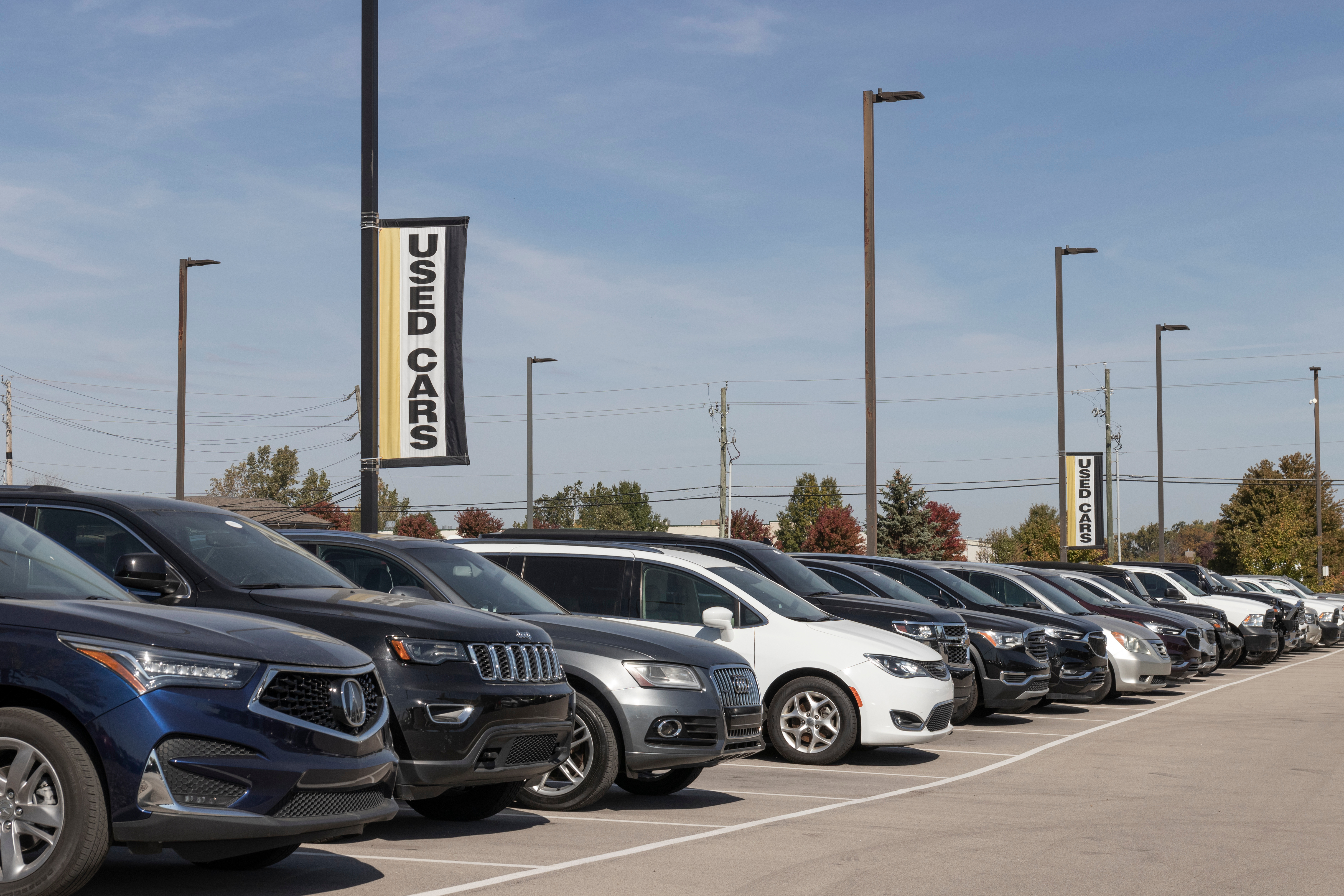
A used car is a vehicle that has been previously owned and operated by another driver before purchase, with ownership transferred through official UK registration documentation. Used cars represent any motor vehicle sold after its initial retail purchase, regardless of age or mileage, provided the vehicle remains mechanically operational and compliant with UK regulations.
When you purchase a used car, the V5C registration certificate transfers legal ownership from the previous owner to you. This ownership transfer differentiates used cars from new vehicles, which proceed directly from manufacturer to first-time buyer without intermediate ownership change.
Used cars exist across diverse age ranges and mileage profiles:
- Recently Purchased Models: Vehicles one to two years old with minimal mileage.
- Mid-Age Vehicles: Cars aged three to seven years with moderate mileage accumulation.
- Older Vehicles: Cars exceeding ten years old with higher mileage totals.
- High-Mileage Specialists: Vehicles with 100,000+ miles but maintained service records.
The term "used car" applies immediately upon second ownership, even if the vehicle is purchased within weeks of factory manufacture. This distinction separates used cars from new vehicles at the moment of ownership transfer, regardless of actual usage time.
How Do Used Cars Differ from New Cars in the UK?
Used cars differ from new cars through reduced purchase cost, slower value depreciation, variable maintenance requirements, absence of manufacturer warranties, and diverse vehicle conditions requiring individual inspection. These differences create fundamental economic and practical distinctions affecting purchasing decisions and long-term ownership costs.
Purchase Price Differences
New cars command significantly higher retail prices reflecting manufacturer warranties, latest technology features, and zero prior usage. Used cars offer substantially reduced purchase prices, enabling budget-conscious buyers to access premium vehicle categories otherwise unaffordable at new car pricing.
| Segment |
New Car Option |
Used Car Option |
|---|---|---|
| Entry-level | £25,000 new Vauxhall Astra | Three-year-old BMW 3 Series used |
| Family vehicle | £20,000 new Hyundai i30 | Five-year-old Ford Mondeo used |
| Premium | £15,000 used Mercedes-Benz C-Class | New entry-level Kia Picanto |
Depreciation Rate Variations
New cars experience rapid initial value loss, whilst used cars depreciate at markedly slower rates.
- New Car Year 1: Loses 40-50% of purchase value.
- New Car Years 2-3: Loses an additional 20-30% of original value.
- Used Car Annual Rate: Depreciates £500-£800 per year after the initial ownership period.
- Used Car Stabilisation: Value decline plateaus after five years of ownership.
Example: A new car purchased at £30,000 loses £1,500-£2,000 monthly during the first year. The same car purchased used at £15,000 depreciates approximately £600-£800 annually, representing a substantially lower percentage loss.
Warranty Coverage Differences
Warranty protection structures differ significantly between new and used vehicles.
- New Car Warranties: Manufacturer coverage for 3 years or 60,000 miles, whichever occurs first.
- Dealership Used Car Warranties: Dealer-provided protection lasting 3-12 months.
- Certified Pre-Owned Warranties: Extended coverage of 12-24 months with manufacturer backing.
- Private Sale Warranties: No formal warranty protection, sold on an "as seen, as sold" basis.
- Auction Purchase Warranties: Minimal or no warranty provision included.
Condition and Mileage Variability
New cars present uniform condition across identical models, with mileage commencing at zero miles. Used cars display significant condition variation between individual vehicles, necessitating detailed inspection of each specific vehicle rather than reliance on model-level specifications.
- Mileage Variation: Ranges from 5,000 miles on low-usage vehicles to 150,000+ miles on higher-usage examples.
- Maintenance History: Full-service records versus partial documentation versus no documentation.
- Accident History: Undamaged vehicles versus previous accident repairs.
- Interior Wear: Pristine condition versus visible wear on seats, dashboard, and controls.
- Mechanical Condition: Perfect mechanical operation versus pending repairs or known issues.
Service History Documentation
Service history documentation completeness directly impacts vehicle valuation and reliability confidence.
- Full-Service History: Vehicles with complete receipts from authorised dealerships or recognised independent garages command premium valuations.
- Partial Service History: Vehicles with some documented services but incomplete records show a moderate valuation reduction.
- No Service History: Vehicles lacking documentation face substantial valuation deductions of 10-20% compared to equivalent full-service-history examples.
- Service History Importance: Often outweighs mileage considerations when evaluating reliability and maintenance consistency.
Technology and Features Differences
Technology integration varies substantially between new cars and used vehicles, particularly across different model years.
- New Cars: Incorporate the latest infotainment systems, advanced driver assistance technologies, and modern emission compliance standards.
- Pre-2015 Used Cars: May lack modern technology integration, feature smartphone connectivity limitations, and present older cabin design.
- 2015-2019 Used Cars: Include partial modern technology, basic infotainment systems, and limited driver assistance features.
- 2020+ Used Cars: Often feature comparable technology to new vehicles, including smartphone integration, advanced safety systems, and modern infotainment.
Where to Buy a Used Car in the UK?
Used cars in the UK come from six primary sources: dealership stock, private sales, certified pre-owned programmes, auctions, ex-lease vehicles, and rental car returns. Each presenting distinct price, warranty, and transparency characteristics. Understanding purchasing channels enables selection of the optimal acquisition method aligned with individual budget constraints and risk tolerance levels.
Should You Buy a Used Car from a Dealership?
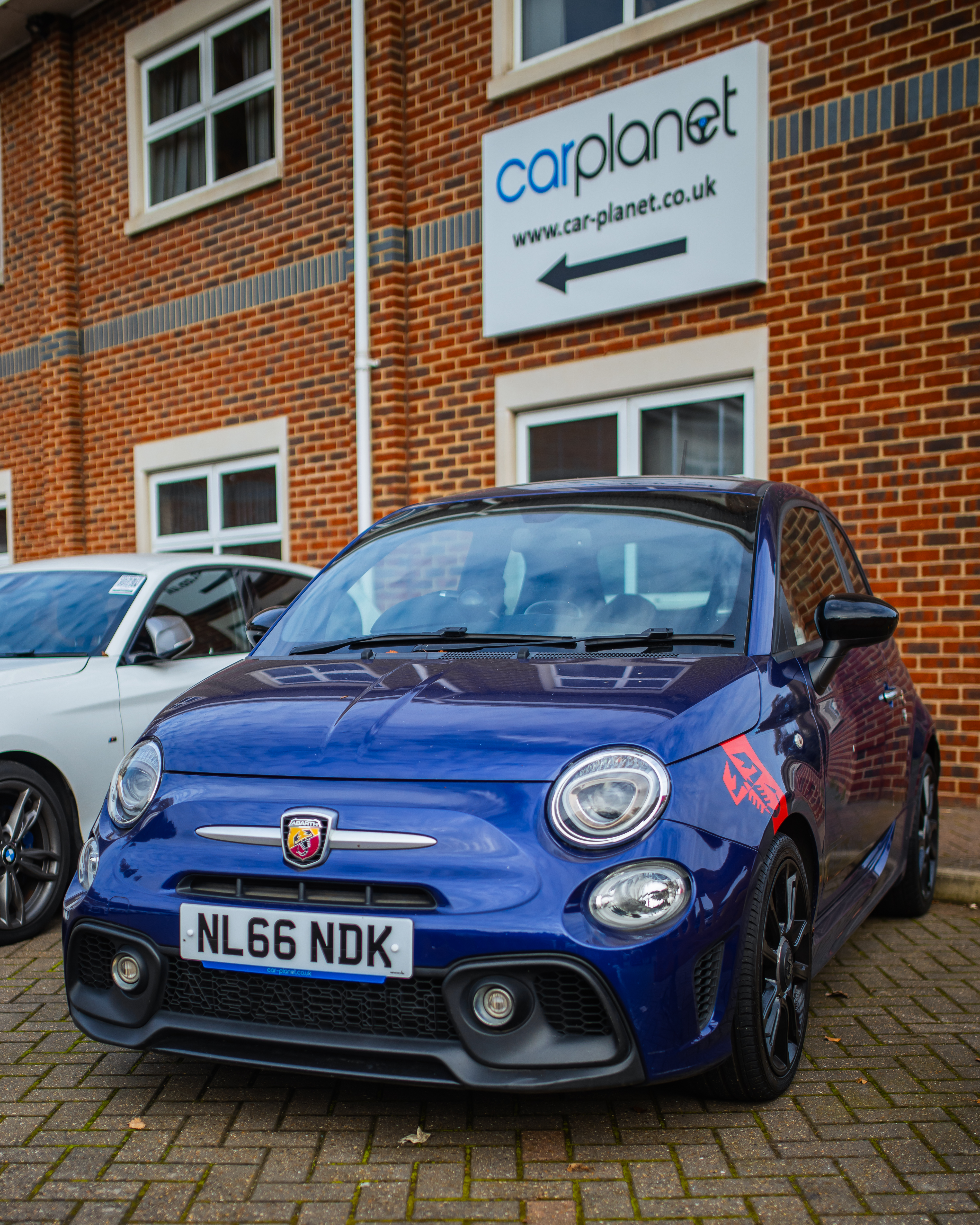
Dealership used cars undergo professional inspection, cleaning, and mechanical checks, providing statutory 6-month warranty coverage and Consumer Rights Act 2015 protection, though at a 10-15% price premium compared to private sales reflecting professional preparation and consumer protections.
The following are the advantages of buying a second-hand car from a dealership:
- Vehicle Preparation: Professional cleaning, detailing, minor repairs, and mechanical verification.
- Price Premium: 10-15% above private sale equivalents, reflecting dealer costs and warranty.
- Warranty Coverage: Statutory 6-month warranty on vehicles under 40 years old.
- Consumer Protection: Consumer Rights Act 2015 coverage with statutory rights safeguards.
- Inspection Standards: Multi-point checks and documented condition records.
- Transparent Pricing: Displayed retail pricing with warranty terms clearly stated.
Dealership advantage: Professional preparation and statutory consumer protections reduce purchasing risk compared to private sales, though at higher purchase prices reflecting dealer overhead recovery.
Is It a Good Idea to Buy a Second-Hand Car Privately?
Private sales represent 45% of UK used car transactions, enabling substantially lower purchase prices through the absence of dealer margins and overhead costs, though excluding Consumer Rights Act 2015 protections and requiring comprehensive independent inspection and verification.
- Pricing Structure: Lower prices reflecting absent dealer markups and overhead recovery.
- Consumer Protection: Excluded from Consumer Rights Act 2015 statutory protections.
- Warranty Provision: No formal warranty; sales conducted on an "as seen, as sold" basis.
- Buyer Responsibility: Independent inspection, verification, and due diligence entirely upon the purchaser.
- Negotiation Flexibility: Greater latitude regarding price and condition acceptance.
- Documentation Variability: Completeness dependent upon seller diligence and record-keeping.
Private sale advantage: Substantially lower purchase prices compensate for the absence of consumer protections, requiring meticulous pre-purchase inspection and due diligence from buyers.
What Are the Benefits of Certified Pre-Owned Vehicles?
Certified pre-owned vehicles undergo comprehensive 100+ point inspections exceeding standard dealership requirements, providing extended 12-24 month manufacturer-backed warranties and formal manufacturer endorsement, though commanding 5-10% price premiums reflecting quality assurance and comprehensive verification.
- Quality Standards: Exceed 100-point inspection requirements, ensuring comprehensive condition verification.
- Warranty Coverage: Extended 12-24 month manufacturer-backed protection.
- Manufacturer Backing: Formal manufacturer endorsement and official support programmes.
- Premium Pricing: 5-10% price premiums above standard dealership used cars.
- Participating Manufacturers: BMW, Mercedes-Benz, Audi, Jaguar Land Rover, and Porsche operate CPO programmes.
- Certification Documentation: Visible badging and comprehensive warranty records accompanying vehicles.
CPO advantage: Extended manufacturer warranties and rigorous inspections provide confidence for buyers prioritising quality assurance over maximum price savings.
Should You Buy a Used Car from Auctions?
Auction purchases remove middleman costs, enabling lower prices compared to dealership and CPO channels, though requiring rapid 24-48 hour inspection windows and accepting vehicles in "as viewed" condition without post-purchase recourse or consumer protections.
- Inspection Periods: Limited 24-48 hour viewing windows before auction completion.
- Price Structure: Reduced pricing reflecting the absence of middleman profit recovery.
- Buyer Responsibility: Purchasers accept vehicles "as viewed" without post-purchase recourse.
- Auction Types: Trade auctions (dealer-only), online platforms (public access), specialist auctions (classic, fleet).
- Payment Procedures: Immediate settlement required upon successful bid completion.
- Documentation Variability: Condition and history documentation varies by auction type.
Auction advantage: Lowest purchase prices attract budget-conscious buyers accepting rapid decision-making and absent consumer protections.
What About Ex-Lease Vehicles?
Ex-lease vehicles present comprehensive service history documentation, a single previous owner (the leasing company), and standardised maintenance reflecting lease compliance, with lower-than-average mileage (8,000-12,000 miles annually) and predictable wear patterns indicating professional fleet management.
- Service History: Complete maintenance records documenting all scheduled services.
- Ownership Clarity: Single previous owner ensuring transparent ownership history.
- Maintenance Compliance: Standardised service schedules reflecting lease agreement requirements.
- Mileage Profiles: Lower-than-average due to annual lease mileage restrictions.
- Annual Mileage Limits: Typically 8,000-12,000 miles per year included in lease terms.
- Wear Predictability: Consistent wear patterns reflecting professional fleet management.
Ex-lease advantage: Complete documentation and consistent maintenance records provide confidence regarding mechanical reliability and ownership history.
Are Rental Car Returns Worth Considering?
Rental car returns present comprehensive maintenance documentation reflecting professional servicing despite intensive daily usage and frequent driver changeovers, with condition variability dependent upon rental customer care standards and utilisation patterns.
- Maintenance Records: Comprehensive documentation of all servicing and repairs performed.
- Usage Patterns: Intensive daily usage with frequent driver changeovers.
- Condition Variation: Normal wear appropriate to mileage but variable across individual vehicles.
- Fleet Consistency: Typically standardised vehicle specifications within rental company fleets.
- Warranty Options: Dealer warranties often included when purchased through rental company channels.
- Reliability Indicators: Professional maintenance schedules demonstrating mechanical care despite intensive usage.
Rental car advantage: Professional maintenance schedules and documented repairs indicate mechanical reliability despite higher utilisation compared to private ownership vehicles.
What Does Mileage Mean for Used Cars?
Mileage represents total distance travelled measured in miles and recorded on the odometer, serving as the primary indicator of mechanical wear and component deterioration across engine, transmission, suspension, and brake systems. Every mile travelled causes incremental wear through engine cycles, transmission shifts, brake applications, and suspension movements accumulating component stress.
What Is Considered Good Mileage for a Used Car?
Average UK driver mileage accumulates 10,000-12,000 miles annually, enabling assessment of individual vehicle mileage profiles against typical usage patterns and determining appropriate value expectations.
- Five-Year-Old Vehicle (50,000-60,000 miles): Aligns with typical usage patterns and average driver behaviour.
- Five-Year-Old Vehicle (30,000 miles): Indicates reduced usage below average driving patterns.
- Five-Year-Old Vehicle (75,000+ miles): Suggests higher-than-average driving and accelerated wear.
- Ten-Year-Old Vehicle (100,000 miles): Represents normal usage at approximately 10,000 miles annually.
- Ten-Year-Old Vehicle (150,000+ miles): Indicates substantially higher driving intensity and component wear.
Mileage assessment value: Comparing individual vehicle mileage against annual baselines enables realistic evaluation of mechanical wear and component remaining lifespan.
Is Low Mileage Always Better on Used Cars?
Vehicles displaying exceptionally low mileage relative to age may indicate storage periods or reduced usage, though stored vehicles often present deterioration in fluid systems, battery performance, and elastomer components (seals, gaskets) through age rather than usage, making regularly-driven higher-mileage vehicles potentially more reliable.
- Two-Year-Old Vehicle With 2,000 Miles: Indicates minimal usage but potential storage-related deterioration.
- Stored Vehicle Deterioration: Fluid degradation, battery weakening, seal drying, and gasket brittleness occur through age.
- Comparison Principle: A regularly-driven 25,000-mile vehicle often presents better mechanical condition than a stored 2,000-mile vehicle.
- Verification Requirement: Low-mileage vehicles warrant verification confirming an accurate odometer reading and absence of tampering.
- Usage Verification: Service records, MOT histories, and owner testimony corroborate claimed low mileage.
Low-mileage paradox: Exceptionally low mileage does not guarantee superior mechanical condition, requiring verification of vehicle storage history and operational condition.
How Does Mileage Affect Vehicle Value?
High-mileage vehicles exceeding 100,000 miles present increased mechanical wear and component fatigue, facing insurance premium increases of 10-15%, reduced resale valuations, and elevated repair probability, though vehicles with full service history often prove more reliable than lower-mileage vehicles lacking maintenance documentation.
- Vehicles Exceeding 100,000 Miles: Present increased mechanical wear and component fatigue.
- Vehicles Exceeding 150,000 Miles: Typically require more frequent repairs with reduced resale valuations.
- Insurance Premium Impact: High-mileage vehicles face 10-15% premium increases versus equivalent lower-mileage examples.
- Repair Frequency: Higher-mileage vehicles typically present 2-3 additional repairs annually.
- Component Replacement: Transmission, suspension, and brake systems approach end-of-life thresholds.
- Service History Importance: Full documentation substantially increases reliability confidence.
Why Is Service History Often More Important Than Mileage?
Full service history documentation demonstrates consistent maintenance and component care throughout vehicle ownership, enabling high-mileage vehicles with complete records to prove more reliable than lower-mileage vehicles lacking maintenance documentation, as regular servicing maintains mechanical integrity despite accumulated distance.
- Maintenance Consistency: Documented servicing confirms regular component checks and preventive maintenance.
- Repair Documentation: Records of completed repairs and component replacements provide mechanical transparency.
- Component Care Evidence: Consistent servicing indicates proper fluid changes, filter replacements, and system maintenance.
- Reliability Correlation: Vehicles with full service history demonstrate lower breakdown probability than higher-mileage vehicles without records.
- Resale Value Protection: Documented maintenance supports higher valuations than undocumented equivalent vehicles.
Service history principle: Comprehensive maintenance documentation provides greater reliability confidence than mileage figures alone, with well-serviced high-mileage vehicles often outperforming neglected lower-mileage examples.
What Makes a Used Car Legal and Safe to Drive in the UK?
A used car is considered legal and safe to drive in the UK when it complies with roadworthiness regulations, has the required documentation, and is properly insured and taxed. Before driving any used car, buyers should verify that it meets all legal requirements and has been maintained to a safe standard.
- Valid MOT certificate: Cars over three years old must have a valid MOT certificate unless they qualify for an exemption.
- Roadworthy condition: The vehicle should have safe brakes, tyres, steering, suspension, lights, seat belts, and other essential safety components.
- Vehicle tax: The car must be taxed before it can be driven on public roads.
- Insurance: At least third-party motor insurance is required by law before driving the vehicle.
- V5C logbook: Ensure the seller provides the V5C registration certificate and that the vehicle details match the car.
- Vehicle Identification Number (VIN): Check that the VIN on the car matches the number recorded on the V5C and other documents.
- No outstanding finance: Verify that the vehicle is not subject to unpaid finance agreements that could affect ownership.
- No stolen or written-off history: Carry out a vehicle history check to confirm the car has not been stolen or declared a total loss without proper disclosure.
- Service and maintenance records: Review the service history to ensure the vehicle has been maintained according to the manufacturer's recommendations.
- Recall repairs completed: Check whether the car has any outstanding safety recalls and confirm that all recall work has been completed.
Why Should You Run an MOT Check?

All vehicles aged three years or older require annual MOT testing comprising standardised mechanical, safety, and emission examinations at designated DVSA testing stations, validating minimum roadworthiness standards across braking, steering, lighting, emissions, and component safety systems.
MOT examination scope:
- Braking Systems: Brake pad thickness, fluid condition, handbrake functionality, brake balance.
- Steering Responsiveness: Wheel play, power steering operation, steering linkage integrity.
- Light Functionality: Headlights, brake lights, indicator lights, fog light operation and alignment.
- Windscreen Condition: Chip absence exceeding 10mm diameter, wiper blade condition and operation.
- Emission Levels: Exhaust gas composition meeting applicable Euro standards for vehicle age.
- Component Safety: Suspension integrity, tyre tread depth, seatbelt functionality.
MOT procedures:
- Test Duration: Approximately 45-60 minutes per vehicle.
- Testing Stations: Designated nationwide locations operated by DVSA.
- Test Fees: Standardised £54.50 for standard cars throughout the UK.
- Validity Period: 12 months from test completion date.
- Enforcement: Expired MOT certification results in £1,000+ penalty notices.
MOT importance: Annual MOT testing validates critical safety systems, ensuring vehicles meet minimum roadworthiness standards for legal road operation.
What Is Vehicle Tax (Road Tax) and Why Is It Important?
All vehicles must display a valid Vehicle Excise Duty (VED) tax proving current payment status, representing mandatory government taxation enabling legal road operation, with expired tax status resulting in £1,000+ enforcement penalties.
- Petrol and Diesel Vehicles (Post-April 2017): £160 annual standard rate.
- Electric and Zero-Emission Vehicles: £130 annual reduced rate.
- First-Year Taxation: Varies by vehicle type and emission category.
- Payment Methods: Monthly, six-monthly, or annual options through DVLA.
- Tax Status Verification: Automatic DVLA database cross-referencing during police enforcement.
- Expired Tax Penalties: £1,000+ enforcement notices for non-compliant vehicles.
Tax compliance importance: Valid vehicle tax proves legal road operation status, with automatic enforcement against expired taxation through DVLA database cross-referencing.
What Is the V5C Registration Document and Why Does It Matter?
The V5C registration certificate (logbook) proves legal vehicle ownership and DVLA registration status, displaying security features (holograms, watermarks, sequential numbers) preventing fraudulent reproduction, with absence of original documentation indicating potential ownership disputes or undisclosed finance agreements.
V5C security features:
- Hologram Security: Three-dimensional security element visible on the document.
- Watermark Patterns: Background patterns visible under light inspection.
- Sequential Security Numbers: Unique sequential codes preventing reproduction.
- Document Paper: Specialist security paper resisting copying and tampering.
- Colour Patterns: Distinctive colour combinations specific to the current V5C format.
V5C verification procedures:
- Original Document Possession: Purchaser must receive an unaltered original V5C.
- Photocopy Rejection: Photocopied V5C documents indicate serious ownership concerns.
- DVLA Confirmation: Records cross-referencing verifies V5C authenticity.
- Ownership Matching: Registered keeper name must match seller identity.
- Finance Check: Outstanding finance agreements recorded against the V5C reference number.
V5C importance: Original V5C documentation proves legal ownership and the absence of hidden finance agreements, with photocopied documents indicating significant risk.
What Are Low Emission Zones and Why Do They Matter?

Vehicles must comply with EU emission standards applicable to the registration date, with standards progressively tightening through Euro classifications 1-6, with vehicles failing applicable standards facing restrictions within Low Emission Zones (LEZ) operating in London, Birmingham, Leeds, and Glasgow, incurring daily fines of £12.50-£130.
Emission standard classifications:
- Euro 1 (1992-1996): Earliest emission standards for pre-1996 vehicles.
- Euro 2 (1996-2000): Stricter standards for 1996-2000 model vehicles.
- Euro 3 (2000-2005): Further emission tightening for 2000-2005 vehicles.
- Euro 4 (2005-2011): Substantial emission reduction requirements.
- Euro 5 (2011-2015): Advanced emission control requirements.
- Euro 6 (2015-present): Current, most stringent emission standards.
Low Emission Zone locations:
- London LEZ: Operates across the Greater London area.
- Birmingham LEZ: Enforces emission standards in the metropolitan area.
- Leeds LEZ: Operates in the city centre and surrounding areas.
- Glasgow LEZ: Enforces emission standards in surrounding regions.
- Penalty Charges: £12.50-£130 daily fines for non-compliant vehicles.
LEZ impact: Pre-2015 diesel vehicles present particular emission compliance risk within major UK cities, with daily fines applying for non-compliant operation.
Why Is Insurance Availability Important for Vehicle Legality?
Legal vehicle operation requires minimum third-party insurance coverage, with vehicle insurability depending on claims history, driver age, and vehicle specifications, with vehicles presenting salvage titles or undisclosed damage potentially requiring specialist insurers charging 50-200% premiums above standard rates.
- Minimum Coverage: Third-party insurance mandatory for legal road operation.
- Coverage Types: Third-party-only, third-party fire and theft, and comprehensive options.
- Uninsurable Vehicles: Salvage titles, undisclosed damage, and severe defects may lack standard insurer coverage.
- Specialist Insurance: High-risk vehicles require specialist insurers with elevated premiums.
- Insurance Quotes: Provide informal roadworthiness verification through insurer acceptance or rejection.
Insurance importance: Insurance availability serves as informal roadworthiness verification, with insurer rejection potentially indicating undisclosed damage or mechanical defects.
What's the Difference Between Salvage Title and Clean Title?
A clean title proves a vehicle has never been declared a total loss by insurance, whilst a salvage title indicates insurance declared the vehicle a total loss following damage or accident, with repairs subsequently completed and the vehicle reregistered. Title classification directly affects vehicle value, insurance availability, financing options, and resale potential.
What Are Clean Title Vehicles?
Clean title vehicles present no recorded total loss declaration history, indicating either undamaged vehicles or vehicles where damage costs remained below insurance company total loss thresholds (typically 70-80% of vehicle value), enabling standard insurance coverage, mainstream financing approval, and resale without disclosure requirements.
- No Total Loss Declaration: Vehicle never officially written off by an insurance company.
- Damage Threshold: Repair costs remained below 70-80% of vehicle value.
- Insurance Access: Standard insurance availability at normal premium rates.
- Financing Access: Mainstream lenders provide financing on clean-title vehicles.
- Resale Simplicity: No disclosure requirements during resale transactions.
- Market Prevalence: The majority of UK used cars display clean titles.
Clean title advantage: Clean titles enable standard insurance, mainstream financing, and uncomplicated resale without disclosure or valuation penalties.
What Are Salvage Title Vehicles?
Salvage title vehicles were declared total losses by insurance companies and subsequently repaired, presenting salvage title status requiring disclosure during resale and restricting financing options significantly, with insurance premium increases of 20-50% and resale value reductions of 20-40% compared to equivalent clean-title vehicles.
- Total Loss Declaration: Insurance company declared the vehicle a total loss.
- Damage Threshold Exceeded: Repair costs exceeded 70-80% of vehicle value.
- Repair Completion: Vehicle subsequently repaired by a specialist or bodyshop.
- Mandatory Disclosure: Salvage title status must be disclosed during resale.
- Insurance Premium Increase: 20-50% higher premiums than clean-title vehicles.
- Resale Value Reduction: 20-40% lower valuations versus clean-title equivalents.
- Financing Restriction: Mainstream lenders typically decline salvage-title financing.
- Specialist Finance: High-risk lenders provide financing at substantially elevated rates.
Salvage title impact: Salvage titles substantially reduce financing access, increase insurance costs, and reduce resale values, though well-repaired vehicles may remain mechanically reliable.
What Are Rebuilt Title Vehicles?
Rebuilt title vehicles were initially declared total losses by insurance companies and subsequently underwent approved repairs meeting regulatory standards, passing DVLA inspection and reregistration, with rebuilt titles indicating professional restoration and potentially commanding higher valuations than salvage-titled vehicles reflecting completed repairs and regulatory compliance verification.
- Salvage Origin: Vehicle initially declared a total loss by an insurance company.
- Professional Repair: Vehicle underwent approved repairs meeting regulatory standards.
- DVLA Inspection: Vehicle passed regulatory inspection and reregistration process.
- Certification: Rebuilt title issued following successful inspection and regulatory approval.
- Valuation Positioning: Rebuilt titles may command higher values than salvage titles.
- Disclosure Requirement: Rebuilt status requires disclosure during resale transactions.
Rebuilt title advantage: Rebuilt titles indicate professional restoration and regulatory compliance verification, potentially commanding higher valuations than salvage-titled vehicles through documented quality repairs.
Why Should You Buy a Used Car Instead of a New Car?
Buying a used car offers substantial financial savings, slower value depreciation, established reliability data, lower insurance costs, and reduced environmental impact compared to purchasing new vehicles. Used car purchases align with practical budget constraints whilst delivering comparable transportation functionality to new vehicles at significantly reduced total cost of ownership.
What Are the Biggest Advantages of Buying a Used Car?
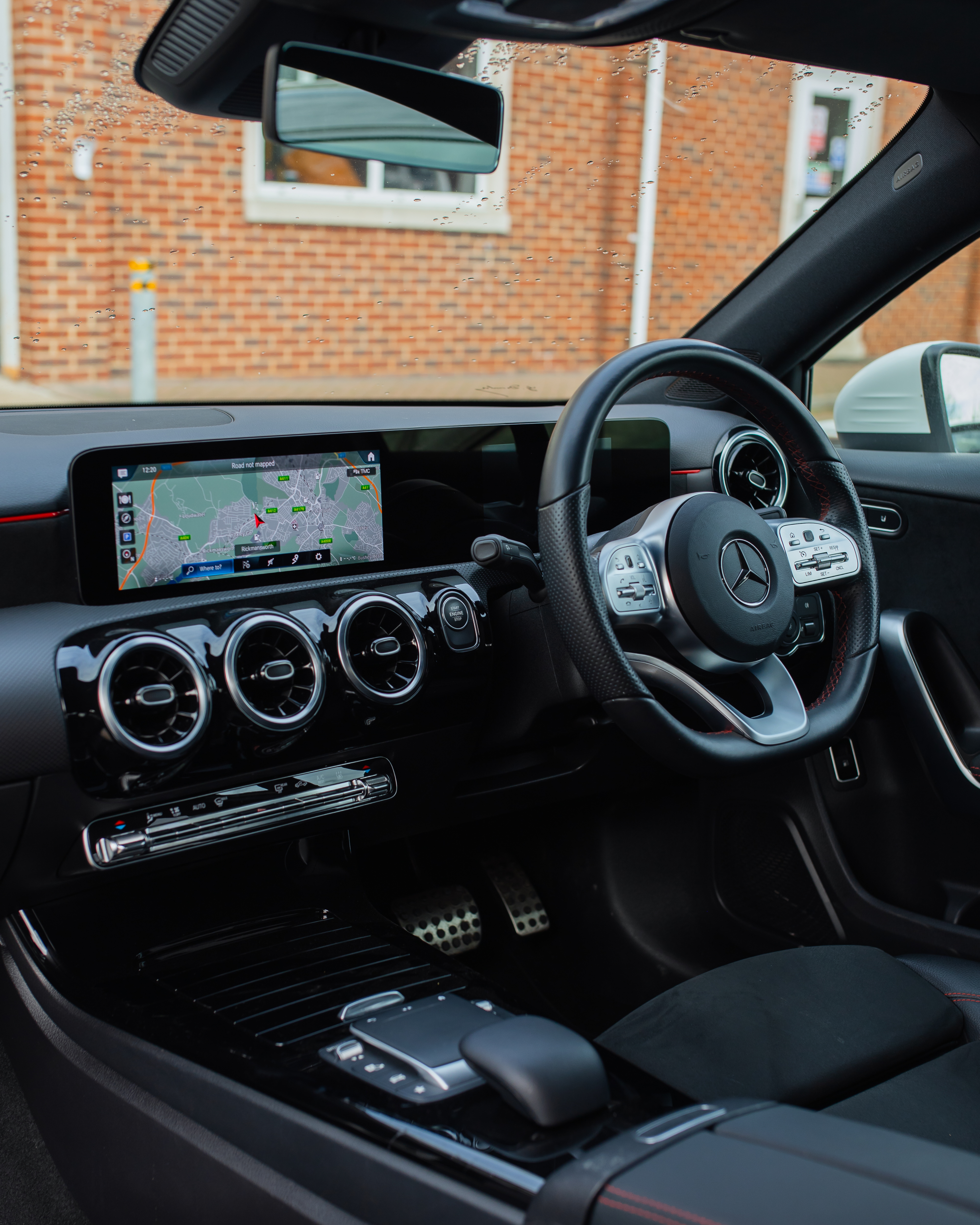
The primary advantages of used car purchases include substantially reduced purchase price, slower depreciation rates, availability of established reliability data, lower insurance premiums, reduced registration costs, access to premium vehicle categories within budget constraints, and diminished environmental manufacturing impact.
Significant Financial Savings
Purchasing used cars delivers immediate and substantial purchase price reductions compared to new vehicle equivalents.
| Segment |
New Price |
Used Price (3-5 yrs) |
Saving |
|---|---|---|---|
| Entry-level (Vauxhall Astra) | £20,000 | £12,000-£14,000 | £6,000-£8,000 |
| Compact SUV (Ford Puma) | £22,000 | £14,000-£16,500 | £5,500-£8,000 |
| Family sedan (Ford Mondeo) | £25,000 | £12,000-£15,000 | £10,000-£13,000 |
| Premium (BMW 3 Series) | £35,000 | £22,000-£25,000 | £10,000-£13,000 |
| Luxury (Mercedes-Benz C-Class) | £38,000 | £18,000-£22,000 | £16,000-£20,000 |
Average savings: Used cars typically deliver 40-50% purchase price reductions compared to new vehicle equivalents.
Access to Premium Vehicle Categories
Used car budgets enable access to premium brands otherwise unaffordable at new vehicle pricing.
- £15,000 Budget: Purchases a used BMW 3 Series or Mercedes-Benz C-Class versus a new entry-level Hyundai.
- £12,000 Budget: Accesses a used Audi A4 or Volkswagen Passat versus a new compact hatchback.
- £20,000 Budget: Enables a used premium SUV purchase versus a new economy SUV.
Advantage: Used premium vehicles often provide superior technology, comfort features, performance capabilities, and driving experience compared to new economy vehicles within equivalent budget constraints.
Established Reliability and Longevity Data
Used cars with established ownership history enable informed decision-making based on documented performance data.
- Consumer Reports Ratings: Independent testing and owner satisfaction surveys for established models.
- J.D. Power Reliability Rankings: Comprehensive dependability indices across vehicle categories.
- Owner Forums and Communities: First-hand accounts of long-term ownership experiences.
- Published Recalls and Defects: Official manufacturer recalls and documented defect patterns.
- Extended Ownership Data: Vehicles with 100,000+ miles demonstrate genuine long-term durability.
Advantage: Purchasing used cars enables selection of proven reliable models with documented track records, reducing risk compared to speculative new vehicle purchases.
Reduced Depreciation Impact
Used cars experience substantially slower depreciation rates compared to new vehicles.
- New Car Year 1: Depreciates 40-50% of purchase value (£30,000 car loses £12,000-£15,000).
- New Car Years 2-3: Loses an additional 20-30% of original value.
- Used Car Annual Rate: Depreciates £500-£800 annually after the initial ownership period.
- Five-Year Ownership: Used car purchase at £15,000 loses £3,000-£4,000 value (20-25% loss).
Financial impact: A used car purchase at £15,000 versus a new car at £30,000 generates cumulative depreciation savings of £16,000-£23,000 over five years.
Lower Insurance Premiums
Insurance companies charge substantially lower premiums for used vehicles compared to new vehicles.
| Vehicle Age | Annual Premium | Reduction |
|---|---|---|
| New car | £800 (typical) | — |
| Three-year-old | £650-£700 | 15-25% |
| Five-year-old | £500-£600 | 30-40% |
Five-year savings: Approximately £1,000-£1,250 cumulative savings.
Reduced Registration and Administrative Costs
Vehicle tax costs vary by age and emission classification, with older vehicles sometimes qualifying for reduced fees.
- Post-2017 Vehicles: £160 annually (standard rate).
- Pre-2017 Vehicles: £155 annually (fixed rate).
- Historic Vehicles (40+ Years Old): £0 annually (exemption).
- Five-Year Savings: Approximately £25-£125 for standard vehicles.
Diminished Environmental Manufacturing Impact
Used car purchases avoid environmental costs associated with new vehicle manufacturing, production energy consumption, and raw material extraction.
- New Vehicle Production: Generates 6-8 tonnes CO2 equivalent.
- Raw Material Extraction: Mining and processing energy consumption.
- Supply Chain Transportation: International shipping and logistics emissions.
- Environmental Advantage: Purchasing used vehicles eliminates 6-8 tonnes of manufacturing CO2.
Budget Flexibility for Vehicle Selection
Used car purchases enable selection from substantially larger inventory pools across diverse body styles, fuel types, and specification levels.
- Discontinued Models: Access to vehicle models no longer manufactured.
- Specific Specification Combinations: Locate vehicles with exact desired features.
- Alternative Fuel Types: Wider selection of diesel, hybrid, and alternative fuel vehicles.
- Body Style Variety: Access to uncommon body styles limited in current new vehicle lineups.
- Performance Variants: Purchase high-performance models within standard budget constraints.
How Much Money Can You Save by Buying Used?
Used car purchases typically deliver 40-50% purchase price savings compared to new vehicle equivalents, with additional savings through reduced insurance premiums, lower registration costs, and slower depreciation generating total ownership savings of £15,000-£30,000 over five years.
Initial Purchase Price Savings
| Segment | New Price | Used Price (3-5 yrs) | Saving |
|---|---|---|---|
| City car (Vauxhall Viva) | £15,500 | £9,000-£10,500 | £5,500-£6,500 |
| Compact hatchback (Ford Fiesta) | £19,500 | £12,000-£14,000 | £5,500-£7,500 |
| Compact SUV (Ford Puma) | £22,000 | £14,000-£16,500 | £5,500-£8,000 |
| Mid-size sedan (Ford Mondeo) | £25,000 | £12,000-£15,000 | £10,000-£13,000 |
| Premium sedan (BMW 330i) | £40,000 | £28,000-£32,000 | £8,000-£12,000 |
| Luxury sedan (Mercedes-Benz C300) | £43,000 | £22,000-£28,000 | £15,000-£21,000 |
Average savings: Used cars deliver average purchase price savings of 35-50% depending on vehicle age and model category.
Depreciation Savings Over the Ownership Period
New vehicle depreciation scenario (£30,000 car):
- Year 1 depreciation: 40-50% value loss (£12,000-£15,000)
- Year 2-3 depreciation: additional £6,000-£9,000
- Year 4-5 depreciation: additional £2,000-£3,000
- Total five-year depreciation: £20,000-£27,000 loss (67-90% of original value)
- Resale value: £3,000-£10,000 remaining
Used car depreciation scenario (purchased at three years old for £15,000):
- Year 1 depreciation: £600-£800 loss
- Year 2-3 depreciation: £1,200-£1,600 loss
- Year 4-5 depreciation: £1,200-£1,600 loss
- Total five-year depreciation: £3,000-£4,000 loss
- Resale value: £11,000-£12,000 remaining
Five-year depreciation savings: A used car purchase generates cumulative depreciation savings of £16,000-£23,000 over a five-year ownership period.
Insurance Premium Savings
- New car insurance scenario (five years): £3,910 total (£800 annually in years 1-2, £750 in year 3, £720 annually in years 4-5).
- Used car insurance scenario, three-year-old vehicle (five years): £2,980 total (£600 in year 1, £580 in year 2, £550 annually in years 3-5).
- Insurance savings: Approximately £930 cumulative savings over a five-year ownership period.
Registration and Administrative Cost Savings
- Post-2017 Vehicle Taxation: £160 standard annual rate, £800 five-year cumulative cost.
- Pre-2017 Vehicle Taxation: £155 fixed annual rate, £775 five-year cumulative cost (£25 five-year saving).
- Historic Vehicle Taxation (40+ Years Old): £0 annual rate, £800 five-year cumulative saving compared to standard rate.
Note: Vehicle tax savings remain limited for standard vehicles but increase significantly for historic vehicles.
Maintenance Cost Considerations
- New vehicle maintenance scenario (five years): £1,500-£2,500 total — minimal costs during years 1-3 warranty coverage (£200-£300 annually), rising to £300-£400 annually in years 4-5, with limited unexpected repair probability until years 4-5 (£200-£600 for items like brake pads and battery replacement).
- Used car maintenance scenario, purchased at three years old (five years): £2,500-£4,500 total — £250-£350 annually for years 1-3 servicing, with higher unexpected repair probability given vehicle age, including potential major repairs in years 3-5 (battery £300-£400, brake work £400-£800, suspension £200-£600).
- Maintenance consideration: Newer used vehicles (three-five years old) may present comparable maintenance costs to new vehicles, whilst older used vehicles typically incur higher maintenance expenses.
Total Ownership Cost Savings Calculation
New vehicle total cost (five years):
| Cost Category | Amount |
|---|---|
| Purchase price | £30,000 |
| Depreciation loss | £20,000-£27,000 |
| Insurance | £3,910 |
| Registration (road tax) | £800 |
| Maintenance and repairs | £1,500-£2,500 |
| Total five-year cost | £56,210-£63,710 |
| Cost per mile (60,000 miles) | £0.94-£1.06 |
Used vehicle total cost, purchased at three years old for £15,000 (five years):
| Cost Category |
Amount |
|---|---|
| Purchase price | £15,000 |
| Depreciation loss | £3,000-£4,000 |
| Insurance | £2,980 |
| Registration (road tax) | £775 |
| Maintenance and repairs | £2,500-£4,500 |
| Total five-year cost | £24,255-£26,755 |
| Cost per mile (50,000 miles) | £0.49-£0.54 |
Total five-year savings: £29,955-£39,455, representing a 53-62% total cost reduction.
Real-World Savings Examples
Budget-conscious buyer example:
- New car option: Vauxhall Corsa £18,000
- Used car option: three-year-old Vauxhall Corsa £11,000
- Direct purchase saving: £7,000
- Five-year depreciation differential: £8,000-£12,000 additional savings
- Five-year total savings: £15,000-£19,000
Premium vehicle access example:
- £25,000 budget, new vehicle: entry-level Volkswagen Golf
- £25,000 budget, used vehicle: five-year-old BMW 3 Series
- Premium vehicle features: superior interior quality, advanced technology, enhanced performance
- Long-term value retention: BMW often retains value better than entry-level vehicles
Why Do Used Cars Depreciate More Slowly Than New Cars?

Used cars depreciate at substantially slower rates than new vehicles because the initial rapid value decline (40-50% in the first year) has already occurred, leaving remaining depreciation distributed across the remaining vehicle lifespan at declining percentage rates, resulting in minimal annual value loss for established used vehicles.
The Steep New Car Depreciation Curve
New vehicles experience rapid value loss during initial ownership periods, with depreciation concentrated within the first three years of vehicle life.
- Day of Purchase: Immediate 10-15% value loss upon retail purchase completion.
- Year 1: Loses an additional 30-40% of original purchase price.
- Year 2: Loses an additional 15-20% of original purchase price.
- Year 3: Loses an additional 5-10% of original purchase price.
- Total Three-Year Depreciation: 50-70% value loss from original purchase price.
Example: A new car purchased at £30,000 depreciates to £9,000-£15,000 within three years (£15,000-£21,000 absolute loss).
Why New Cars Lose Value Rapidly
Multiple factors combine to create steep new vehicle depreciation during initial ownership.
- Warranty Expiration: Transition from comprehensive manufacturer protection to owner responsibility increases perceived ownership cost.
- Technology Obsolescence: Newer model year releases with enhanced features reduce demand for previous models.
- Model Year Transitions: New releases trigger demand shifts toward current-year vehicles.
- Quality Issues Identification: Production defects discovered during first ownership reduce buyer confidence.
- Customisation Mismatch: Personal colour and specification choices fail to match subsequent buyer preferences.
- Market Saturation: Lease vehicles and fleet returns flood secondary markets within 2-4 years, increasing supply.
The Stabilised Used Car Depreciation Rate
Used vehicles that have completed the initial ownership transition settle into substantially slower depreciation rates.
- Annual Depreciation: £500-£800 annually (absolute loss).
- Annual Percentage Rate: 4-8% annually.
- Five-Year Cumulative Depreciation: £2,500-£4,000 loss (8-15% total).
- Rate Consistency: Rates remain relatively stable across subsequent ownership periods.
Example: A used car purchased at £15,000 (three years old) depreciates to £11,000-£12,000 after five years (only £3,000-£4,000 loss, or 20-25%, over five years).
Component-Based Depreciation Analysis
Vehicle depreciation reflects the valuation impact of specific component conditions and anticipated repair requirements.
- Powertrain Systems (Engine and Transmission): Represent 30-40% of vehicle value; used powertrains with service history demonstrate predictable wear with minimal annual valuation impact.
- Major Mechanical Systems (Suspension, Steering, Cooling): Represent 15-20% of vehicle value; used systems demonstrate predictable performance for regularly-serviced vehicles.
- Warranty Status: Influences valuation by 5-15%; the warranty transition concentrates impact during the first three years.
- Technology Systems (Infotainment, Safety): Represent 5-10% of vehicle value; depreciation accelerates as newer systems introduce enhanced capabilities.
- Interior and Exterior Condition: Represent 10-15% of vehicle value; used vehicles stabilise at valuations reflecting expected wear for age.
Market Supply and Demand Dynamics
Supply and demand balance influences depreciation rates across different vehicle ages.
- New Vehicle Supply Pressure: Manufacturers maintain promotional pricing, creating downward pressure for 0-3 year old used vehicles.
- Used Vehicle Stabilisation: Vehicles exceeding four years old comprise an established secondary market with predictable supply and demand.
- Lease Vehicle Market Impact: Concentrated lease returns (typically 36-48 months) flood markets with quality vehicles, creating temporary supply pressure.
- Market Cycle Dampening: Established used car market dynamics stabilise pricing for established vehicles.
The Depreciation Sweet Spot Concept
Optimal vehicle purchase timing balances new car depreciation impact against used car purchasing convenience.
- Brand New Purchase: Highest initial depreciation risk, with 40-50% value loss within three years.
- Three-Year-Old Purchase: Captures the majority of initial depreciation whilst accessing modern vehicles with established reliability data.
- Five-Year-Old Purchase: Minimal remaining depreciation risk, with further value stability and significantly reduced purchase prices.
- Eight+ Year-Old Purchase: Minimal depreciation risk with maximum purchase price reductions but increased maintenance probability.
Is Buying a Used Car More Sustainable for the Environment?
Buying a used car substantially reduces environmental impact compared to purchasing new vehicles by eliminating manufacturing emissions, energy consumption, and raw material extraction requirements, with the total environmental benefit increasing with vehicle lifespan and depreciation offset of manufacturing impact.
New Vehicle Manufacturing Environmental Impact
New vehicle production generates substantial environmental costs through energy consumption, raw material extraction, component manufacturing, and supply chain logistics.
- Direct Manufacturing Emissions: 6-8 tonnes CO2 equivalent per vehicle through factory production processes.
- Raw Material Extraction: Mining, refinement, and initial processing energy consumption for steel, aluminium, copper, and plastic materials.
- Supply Chain Transportation: International shipping of components and completed vehicles.
- Facility Operations: Manufacturing plant energy consumption and emissions control systems.
- Packaging and Transportation: Protective packaging materials and dealer network shipping.
Manufacturing emissions breakdown:
- Steel production: 20-25% of manufacturing emissions
- Aluminium production: 15-20% of manufacturing emissions
- Plastic components: 8-12% of manufacturing emissions
- Electronics and wiring: 5-10% of manufacturing emissions
- Assembly and logistics: 25-30% of manufacturing emissions
Electric vehicle manufacturing impact: EV batteries account for 25-30% of total manufacturing emissions, with lithium, cobalt, and rare earth element extraction presenting a significant environmental footprint.
Used Car Environmental Advantage Through Manufacturing Elimination
Used car purchases completely eliminate manufacturing environmental impact, with existing vehicles utilised for additional ownership periods.
- Eliminated Emissions: 6-8 tonnes CO2 equivalent avoided through the avoided manufacturing process.
- Raw Material Conservation: Mining, refinement, and primary processing requirements eliminated.
- Energy Conservation: Manufacturing facility energy consumption avoided entirely.
- Supply Chain Reduction: International transportation and logistics emissions eliminated.
- Waste Reduction: Manufacturing waste streams and material processing eliminated.
Manufacturing impact offset calculation: A used car purchase offsetting new car manufacturing eliminates approximately 6-8 tonnes of CO2 equivalent emissions - an environmental benefit equivalent to approximately 7,000-9,000 miles of vehicle driving.
Vehicle Operation Environmental Impact Consistency
Vehicle operational emissions remain the primary environmental concern during ownership, with environmental impact relatively consistent between new and used vehicles.
- Direct Tailpipe Emissions: Carbon dioxide (CO2), nitrogen oxides (NOx), and particulate matter from fuel combustion.
- Indirect Emissions: Electricity generation emissions from electric vehicle charging.
- Fuel Extraction and Refining: Upstream emissions from petroleum extraction and refining processes.
- Driving Behaviour Influence: Fuel consumption variance based on driver habits, maintenance quality, and driving conditions.
Operational emissions consistency: A three-year-old vehicle demonstrates identical operational emissions to an equivalent new vehicle of the same model year and engine specification.
Lifecycle Environmental Analysis
- Manufacturing Phase (New Vehicles Only): 6-8 tonnes CO2 equivalent, completely eliminated through used car purchase.
- Operational Phase (Primary Concern): 40-50 tonnes CO2 equivalent over a typical 150,000-mile vehicle lifespan, depending on fuel type and efficiency. Operational emissions are identical between new and used vehicles.
- End-of-Life Phase: 1-2 tonnes CO2 equivalent through vehicle recycling. End-of-life impact is deferred when purchasing used vehicles.
Lifecycle total comparison:
- New vehicle lifecycle: 47-60 tonnes CO2 equivalent over 150,000 miles
- Used vehicle lifecycle (purchased at 50,000 miles, driven to 150,000 miles): 40-50 tonnes CO2 equivalent over the remaining 100,000 miles
Used vehicle advantage: Purchasing used vehicles at 50,000 miles reduces total lifecycle environmental impact by 15-20% by eliminating manufacturing emissions.
Extended Vehicle Lifespan Environmental Benefit
- Vehicle Utilisation Extension: Each year of extended use amortises manufacturing emissions across additional operational mileage.
- Manufacturing Impact Distribution: Manufacturing emissions distributed across a longer operational period.
- Deferred End-of-Life Impact: Vehicle recycling and end-of-life processing deferred to a later ownership period.
- Delayed New Vehicle Production: Extended used vehicle ownership postpones new vehicle manufacturing requirements.
Example: Extending vehicle lifespan from 10 to 12 years distributes 6-8 tonnes of manufacturing emissions across two additional years, reducing annual average environmental impact by 15-20%.
Fuel Type Environmental Considerations
- Petrol Vehicles: 150-200g CO2/km typical emissions. Used petrol vehicle purchase eliminates manufacturing emissions whilst maintaining operational environmental cost equivalent to new petrol vehicles.
- Diesel Vehicles: 120-160g CO2/km emissions but higher particulate matter and NOx emissions. Used diesel purchase eliminates manufacturing emissions but contributes to air quality degradation.
- Hybrid Vehicles: 100-130g CO2/km typical emissions through combined petrol-electric operation. Hybrid environmental advantage reduces over vehicle lifespan as battery efficiency deteriorates.
- Electric Vehicles: 0g direct tailpipe emissions, but 100-200g CO2/km equivalent emissions from electricity generation. EV manufacturing includes substantial battery production emissions (25-30% of total).
Circular Economy Environmental Principles
- Product Lifespan Extension: Existing vehicles utilised for additional ownership periods rather than premature disposal.
- Waste Reduction: Vehicle manufacturing waste streams eliminated through avoided new production.
- Resource Conservation: Raw material extraction and processing requirements eliminated.
- Secondary Market Development: Established used car markets support product value retention.
- Recycling Deferment: End-of-life vehicle recycling delayed, allowing extended material utility.
Circular economy impact: Used car markets supporting 8 million annual UK transactions represent a substantial circular economy contribution, extending vehicle lifespans and maximising manufacturing investment environmental amortisation.
Environmental Calculation Summary
New vehicle environmental cost (150,000 mile lifespan):
- Manufacturing emissions: 6-8 tonnes CO2 equivalent
- Operational emissions: 40-50 tonnes CO2 equivalent
- Total lifecycle environmental cost: 46-58 tonnes CO2 equivalent
Used vehicle environmental cost (purchased at 50,000 miles, driven to 150,000 miles):
- Manufacturing emissions: 0 tonnes CO2 equivalent (avoided)
- Operational emissions: 40-50 tonnes CO2 equivalent
- Total lifecycle environmental cost: 40-50 tonnes CO2 equivalent
Environmental benefit: 6-8 tonnes CO2 equivalent reduction, approximately a 12-15% total lifecycle environmental impact reduction.
What Are the Potential Disadvantages of Buying a Used Car?
The primary disadvantages of used car purchases include reduced warranty coverage, uncertain maintenance history requiring thorough inspection, higher near-term repair probability, limited manufacturer support access, potential hidden damage from previous accidents, reduced technology features on older models, and aesthetic wear requiring cosmetic remediation.
Limited or Absent Warranty Coverage
- New Vehicle Warranties: Typically provide 3-year or 60,000-mile comprehensive coverage, including parts and labour.
- Dealership Used Car Warranties: Commonly provide 3-12 months coverage on selected components, with exclusions for wear items (brakes, tyres, batteries).
- Certified Pre-Owned Warranties: Extend 12-24 month coverage, reflecting additional inspection and repair completion.
- Private Sale Warranties: Typically provide no formal warranty protection.
- Warranty Absence Implication: Unexpected repairs beyond warranty periods (transmission failure, engine problems) become the buyer's responsibility, creating potential financial exposure of £2,000-£10,000+.
Warranty risk mitigation strategies:
- Purchase from reputable dealerships offering extended warranty periods
- Negotiate dealer-provided warranty extensions at point of sale
- Obtain a pre-purchase mechanical inspection identifying likely near-term repairs
- Budget for anticipated repairs based on vehicle age and mileage
- Consider extended warranty products offering third-party coverage
Unknown Maintenance History and Previous Damage
Maintenance history risks:
- Missing Documentation: Absent service records prevent verification of maintenance completion.
- Independent Repair Shops: Vehicles serviced at independent facilities present incomplete documentation trails.
- Undisclosed Repairs: Previous owners may have performed repairs without formal documentation.
- Component Condition Uncertainty: Lack of documentation prevents reliable assessment of component wear.
Previous damage risks:
- Accident Repairs Not Disclosed: Vehicles with previous accident repairs may present structural issues.
- Paint Thickness Variations: Repainted body panels indicate accident damage.
- Mechanical Component Wear: Vehicles with accident history demonstrate premature wear.
- Electrical System Damage: Accident repairs may leave underlying electrical damage unresolved.
Damage risk mitigation strategies:
- Request complete service history documentation from sellers
- Engage independent pre-purchase mechanical inspection
- Obtain vehicle history reports (HPI Check) revealing previous accident declarations
- Conduct paint thickness measurement identifying respray evidence
- Review MOT history identifying previous stated defects
Higher Probability of Near-Term Repairs
Repair probability increases by vehicle age:
| Vehicle Age |
Annual Repair Probability |
|---|---|
| Three-year-old | 10-15% |
| Five-year-old | 20-30% |
| Eight-year-old | 40-50% |
| Ten+ year-old | 60%+ |
Common repairs by vehicle age:
- Three-year-old vehicles: Battery replacement (£200-£400), tyre replacement (£400-£800), brake pad replacement (£200-£500).
- Five-year-old vehicles: Battery replacement, tyre replacement, brake pad and rotor replacement (£400-£800), suspension repairs (£300-£600).
- Eight-year-old vehicles: Suspension component replacement (£500-£1,500), transmission fluid service (£150-£250), engine timing belt replacement (£300-£800), air conditioning repairs (£300-£600).
- Ten+ year-old vehicles: Suspension overhaul (£1,000-£2,500), transmission repairs (£1,500-£4,000), engine gasket replacement (£400-£1,000), electrical system repairs (£200-£1,000).
Repair cost budgeting: Used vehicle owners should budget £500-£1,500 annually for repairs, escalating to £1,500-£3,000+ annually for vehicles exceeding 100,000 miles.
Repair risk mitigation strategies:
- Budget a realistic repair allowance in annual ownership costs
- Obtain a comprehensive pre-purchase inspection identifying likely near-term repairs
- Negotiate purchase price considering identified maintenance requirements
- Maintain a regular servicing schedule minimising breakdown probability
- Retain an emergency repair fund (£1,000-£2,000) for unexpected major repairs
Reduced Manufacturer Support and Recall Access
- Service Availability Limitation: Manufacturers prioritise new vehicle service, with reduced resource allocation to older vehicles.
- Technical Bulletin Access: Technical information may be limited for older vehicles.
- Recall Programme Limitation: Manufacturers discontinue active recall campaigns for vehicles exceeding 10-15 years old.
- Parts Availability Challenge: Manufacturers discontinue parts production for vehicles exceeding 10-15 years old.
- Genuine Parts Pricing: Genuine manufacturer parts remain substantially higher cost than aftermarket alternatives.
Manufacturer support mitigation strategies:
- Check the DVLA recall database proactively for outstanding recalls
- Maintain relationships with specialist independent mechanics
- Consider aftermarket parts as a cost-effective alternative to genuine parts
- Join vehicle owner communities and forums providing peer support
Limited Technology Features on Older Models
- Pre-2015 Vehicles: Basic or absent infotainment systems, no smartphone integration, absent backup cameras, minimal driver assistance technologies.
- 2015-2019 Vehicles: Basic touchscreen infotainment, limited smartphone integration, basic satellite navigation, standard backup camera.
- 2020+ Vehicles: Advanced infotainment systems with full smartphone integration, comprehensive driver assistance packages, advanced connectivity features.
Technology limitation impact: Navigation dependence on older systems, connectivity limitation creating safety concerns, entertainment limitation from older infotainment, and a safety technology gap from absent driver assistance features.
Technology limitation mitigation strategies:
- Accept technological limitations as an acceptable trade-off for financial savings
- Utilise smartphone-based navigation and connectivity alternatives
- Consider aftermarket infotainment system upgrades where available (£500-£2,000)
- Consider recent used models (three-five years old) minimising technology gaps
Aesthetic and Interior Wear Requirements
Common cosmetic wear issues: Exterior paint deterioration, interior upholstery wear, trim and component wear, glass and plastic clarity loss, floor mat and carpet wear.
Aesthetic restoration costs:
- Paint correction and detailing: £200-£800
- Seat leather treatment or upholstery repair: £300-£1,500
- Dashboard leather or plastic restoration: £200-£600
- Plastic trim painting or replacement: £200-£800
- Headlight restoration or replacement: £100-£500
Aesthetic wear mitigation strategies:
Accept cosmetic wear as expected for vehicle age, prioritise mechanical condition over aesthetic appearance, budget cosmetic restoration costs for priority areas, and utilise professional detailing services (£100-£300) for maximum aesthetic improvement.
Uncertain Future Repair Progression
- Positive Scenario: Vehicle continues operating reliably with minimal repairs (£500-£1,000 annually).
- Negative Scenario: Vehicle experiences escalating repair requirements (£2,000-£4,000+ annually).
- Unpredictable Transition: Repair costs cannot be reliably predicted from pre-purchase inspection alone.
Repair escalation examples: Transmission failure requiring £2,500-£5,000 repair, engine head gasket failure requiring £1,500-£3,000 repair, structural corrosion discovered during repair work requiring welding (£500-£2,000).
Uncertainty management strategies:
Budget conservatively for potential repair escalation, maintain an emergency repair fund sufficient for major component replacement, consider the repair cost tipping point where continued ownership becomes economically inefficient, and establish realistic ownership duration expectations (3-5 years typical).
Resale Value Uncertainty
Resale value uncertainty factors:
Vehicle-specific factors (brand reliability reputation, model desirability, colour preference, specification options), market condition factors (fuel price fluctuations, economic conditions, new model releases), ownership miles accumulation, condition deterioration, and market saturation timing.
Resale value examples:
- Vehicle purchased at £15,000, resale three years later at £11,000 (27% total depreciation)
- Vehicle purchased at £12,000, resale three years later at £8,000 (33% total depreciation)
- Vehicle purchased at £10,000, resale three years later at £7,000 (30% total depreciation)
Resale value mitigation strategies:
Select vehicle models with strong historical value retention, minimise accumulated mileage during ownership, maintain comprehensive service records improving resale appeal, preserve cosmetic condition through protective care, and accept depreciation as an ownership cost rather than speculation on value retention.
What Should You Consider Before Buying a Used Car?
Before purchasing a used car, determine intended usage patterns, establish realistic budgets accounting for purchase price and ongoing ownership costs, calculate total cost of ownership across insurance, maintenance, and repairs, assess personal transportation needs, and evaluate financial capacity for unexpected repairs. Strategic pre-purchase planning enables alignment of vehicle selection with practical requirements and financial constraints, preventing impulsive purchases resulting in buyer regret or financial hardship.
What Will You Use the Car For?

Determining intended vehicle usage patterns directly influences vehicle type selection, fuel type suitability, size requirements, and long-term ownership feasibility.
Daily Commuting Requirements
- Fuel Efficiency Importance: Vehicles spending 2-3 hours daily on roads should prioritise economy (40+ mpg target).
- Reliability Criticality: Commute dependency means breakdowns create work attendance risk, necessitating proven reliability records.
- Comfort Features: Extended seating duration requires supportive seats, good climate control, and noise insulation.
- Vehicle Size: Compact cars often prove more efficient and manoeuvrable than larger vehicles.
- Safety Priorities: Crash test ratings and driver assistance features reduce accident risk during commute exposure.
- Running Costs: Fuel consumption directly impacts monthly budgets, with high-efficiency vehicles generating substantial savings.
Commuting vehicle examples:
- City centre commuting: small hatchbacks (Ford Fiesta, Vauxhall Corsa) providing fuel efficiency and parking ease
- Motorway commuting (50+ miles daily): fuel-efficient saloons (Honda Civic, Toyota Corolla)
- Mixed commuting: compact SUVs (Honda CR-V, Toyota RAV4) balancing efficiency and practicality
Family Transportation Requirements
- Seating Capacity: Minimum requirement for the number of regular passengers, including children.
- Safety Ratings: NHTSA and IIHS ratings prioritise crash protection for vulnerable passengers.
- Child Seat Compatibility: Sufficient rear seat space and anchor points (ISOFIX) for secure child seat installation.
- Cargo Capacity: Boot space for shopping, luggage, and sports equipment.
- Reliability Importance: Family dependence creates pressure for breakdown-free operation.
- Comfort Features: Climate control, entertainment systems, and passenger amenities reduce family travel stress.
- Running Costs: Fuel efficiency and insurance costs impact family budgets.
Family vehicle examples:
- Small families: compact SUVs (Ford Puma, Kia Sportage)
- Larger families: family saloons (Ford Mondeo, Volkswagen Passat) or MPVs (Honda Odyssey, Vauxhall Zafira)
- Regular long trips: larger SUVs (Range Rover Sport, BMW X5)
Business Use Requirements
- Reliability Criticality: Business dependency creates pressure for zero-downtime operation and predictable availability.
- Professional Appearance: Client meetings and business operations require vehicles reflecting professional standards.
- Fuel Efficiency: Business mileage accumulation creates substantial fuel costs requiring economy optimisation.
- Cargo Capacity: Equipment, samples, or product transportation requires adequate storage space.
- Servicing Availability: Business vehicles require rapid access to service facilities minimising operational disruption.
- Running Costs Tracking: Business usage tracking enables accurate cost allocation and tax deduction documentation.
- Tax Implications: Business vehicles qualify for corporation tax depreciation and maintenance expense deductions.
Business vehicle examples:
- Sales representatives: fuel-efficient saloons (BMW 3 Series, Audi A4)
- Tradespersons: commercial vehicles (Ford Transit, Volkswagen Transporter)
- Executive use: premium vehicles (Mercedes-Benz, Audi)
Long-Distance Motorway Driving
- Fuel Efficiency: 400+ mile journeys generate substantial fuel consumption, requiring 50+ mpg efficiency targets.
- Comfort Features: Extended seating duration necessitates supportive seats, good suspension, and climate control.
- Reliability Criticality: Long-distance dependency creates breakdown risk on remote routes, requiring proven reliability.
- Cruise Control Functionality: Motorway driving benefits from adaptive cruise control reducing driver fatigue.
- Safety Features: Lane departure warnings, blind spot monitoring, and stability control enhance highway safety.
- Highway Performance: Smooth acceleration, responsive handling, and braking performance improve the driving experience.
- Noise Insulation: Quality cabin insulation reduces motorway noise fatigue during extended driving.
Long-distance vehicle examples:
- Economy-focused: diesel saloons (Volkswagen Jetta, Skoda Octavia) providing 60+ mpg
- Comfort-prioritised: premium saloons (BMW 5 Series, Mercedes-Benz E-Class)
- Family long-distance: large SUVs (Range Rover Evoque, Audi Q5)
City Driving Requirements
- Compact Dimensions: Narrow streets and parking spaces require small vehicle footprints.
- Parking Ease: Compact cars and city cars simplify parking in restricted spaces.
- Manoeuvring Capability: Tight turning radius enables navigation through congested city streets.
- Fuel Efficiency: City driving generates substantial fuel consumption through stop-start traffic.
- Emissions Compliance: City driving through Low Emission Zones requires modern emission standards.
- Cost Efficiency: Congestion charging, parking fees, and fuel costs create pressure for economy vehicles.
- Visibility Features: City driving requires excellent visibility and driver assistance features reducing accident risk.
City vehicle examples:
- Budget city driving: small city cars (Smart ForFour, Fiat 500)
- Practical city driving: compact hatchbacks (Ford Fiesta, Volkswagen Polo)
- Premium city driving: luxury compact cars (BMW 1 Series, Audi A1)
First-Time Driver Requirements
- Vehicle Stability: Responsive braking, predictable handling, and electronic stability control prevent loss-of-control accidents.
- Safety Features: Airbags, stability control, and crash protection systems reduce injury severity in accidents.
- Insurance Costs: High-risk first-time driver categorisation creates substantial insurance costs, requiring affordable base vehicles.
- Reliability Importance: Mechanical defects and breakdowns create stress for inexperienced drivers.
- Size and Control: Compact vehicles offering easy steering and parking simplify the learning process.
- Modern Safety Systems: Lane departure warnings and collision avoidance systems provide a safety net for inexperienced drivers.
- Telematics Insurance: Black box insurance tracks driving behaviour, rewarding safe driving patterns with premium reductions.
First-time driver vehicle examples:
- Budget option: compact hatchbacks (Vauxhall Corsa, Ford Fiesta)
- Reliable option: Honda Civic or Toyota Corolla
- Modern safety option: recent compact cars (2020+)
How Much Should You Budget for a Used Car?

Used car budgeting requires calculation across multiple cost categories including purchase price, insurance premiums, vehicle tax, fuel consumption, maintenance and repairs, MOT testing, and contingency reserves for unexpected expenses.
What Purchase Costs Should You Plan For?
Purchase costs extend beyond the displayed vehicle price, including dealer fees, documentation charges, warranty costs, and initial preparation expenses.
Purchase price guidelines by vehicle category:
Budget segment:
- Compact city cars: £6,000-£10,000 (three-five years old, 40,000-70,000 miles)
- Small hatchbacks: £8,000-£12,000 (three-five years old, 40,000-80,000 miles)
- Used sedans: £7,000-£11,000 (four-six years old, 50,000-90,000 miles)
Mid-range segment:
- Compact SUVs: £12,000-£18,000 (three-five years old, 30,000-60,000 miles)
- Family saloons: £11,000-£16,000 (three-five years old, 40,000-70,000 miles)
- Popular hatchbacks: £10,000-£14,000 (three-four years old, 30,000-60,000 miles)
Premium segment:
- Luxury sedans: £18,000-£28,000 (three-five years old, 20,000-50,000 miles)
- Premium SUVs: £20,000-£35,000 (three-five years old, 25,000-55,000 miles)
- Performance cars: £15,000-£25,000 (three-five years old, 30,000-70,000 miles)
Common dealer fees:
- Dealer admin fee: £200-£500
- Delivery fee: £100-£300
- Valeting and preparation: £100-£300
- Extended warranty option: £300-£1,500
- GAP insurance: £200-£600
- Paint protection: £200-£400
- Interior protection: £150-£300
Total dealer fee range: £1,000-£4,000 depending on dealership and selected add-ons.
Dealer fee mitigation strategies:
Negotiate dealer fee inclusion in the purchase price, decline unnecessary protection packages evaluating genuine value, compare dealerships regarding fee structures, and purchase protection products independently at a lower cost.
Registration transfer costs:
V5C replacement (£0, included in DVLA transfer), number plate change (£50-£130, optional), insurance documentation (£0), DVLA online transfer (£0). Private sales typically involve no formal registration costs, whilst dealership sales often include registration processing within admin fees.
Inspection costs:
- Independent mechanical inspection: £100-£200
- HPI vehicle history check: £20-£40
- Paint thickness measurement: £30-£80
- Extended warranty option: £300-£1,500
Total inspection investment: £150-£350 represents essential protection against purchasing problem vehicles.
Warranty product costs:
- Dealer extended warranty: £300-£1,500 (12-36 months additional coverage)
- Third-party warranty products: £200-£800
- GAP insurance: £200-£600
- Breakdown cover: £80-£200 annually
What Ongoing Ownership Costs Should You Expect?
Ongoing ownership costs extend throughout vehicle ownership periods, including insurance premiums, vehicle tax, fuel consumption, maintenance servicing, repairs, MOT testing, and parking expenses.
Insurance cost factors:
Vehicle value, engine size, safety ratings, driver age, claims history, vehicle modifications, annual mileage, and parking location all affect the premium charged.
Insurance premium ranges:
- Three-year-old compact car (standard driver): £600-£800 annually
- Five-year-old family saloon (standard driver): £550-£750 annually
- Young driver (first-time, three-year-old car): £1,500-£3,000 annually
- Experienced driver (five-year-old premium car): £700-£950 annually
- High-mileage commuter (40,000+ miles annually): £800-£1,200 annually
Insurance savings strategies:
Utilise telematics black box insurance for young drivers (30-50% savings), increase voluntary excess (£100-£300 annual reduction), bundle insurance with other products (10-20% combined savings), maintain a claims-free record, and install approved security devices.
Vehicle tax rates:
- Petrol and diesel vehicles (post-April 2017): £160 annually
- Petrol and diesel vehicles (pre-2017): £155 annually
- Electric and zero-emission vehicles: £130 annually
- Historic vehicles (40+ years old): £0 annually
Fuel consumption by vehicle type:
- Efficient vehicles (40+ mpg): small city cars (45-55 mpg), compact hatchbacks (40-50 mpg), hybrid vehicles (50-70 mpg), diesel sedans (45-60 mpg)
- Standard vehicles (30-40 mpg): mid-size family cars (35-45 mpg), compact SUVs (30-40 mpg), large hatchbacks (35-45 mpg)
- Lower efficiency vehicles (below 30 mpg): large SUVs (20-30 mpg), performance cars (20-30 mpg), older vehicles pre-2010 (20-35 mpg)
Fuel cost example (20,000 annual miles):
An efficient vehicle at 45 mpg costs £650-£750 annually in fuel; a standard vehicle at 35 mpg costs £850-£975 annually; a lower-efficiency vehicle at 25 mpg costs £1,200-£1,400 annually. Purchasing efficient vehicles over lower-efficiency options generates cumulative five-year savings of £2,000-£3,500 in fuel costs.
Servicing costs by vehicle age:
- Three-year-old vehicles: £200-£350 annually
- Five-year-old vehicles: £300-£450 annually
- Eight-year-old vehicles: £400-£600 annually
- Ten+ year-old vehicles: £500-£800 annually
Servicing cost reduction strategies:
Use independent garages (30-40% savings versus franchised dealers), use OEM-equivalent parts (20-30% savings versus genuine parts), maintain regular service intervals, and bundle servicing packages for multi-service discounts.
Repair probability and cost by vehicle age:
- Three-year-old vehicles: 10-15% annual repair probability, £300-£600 average cost when required
- Five-year-old vehicles: 20-30% annual repair probability, £500-£1,200 average cost when required
- Eight-year-old vehicles: 40-50% annual repair probability, £1,000-£2,000 average cost when required
- Ten+ year-old vehicles: 60%+ annual repair probability, £2,000-£4,000 average cost when required
Major repair cost examples:
Transmission failure (£2,000-£5,000), engine head gasket replacement (£1,500-£3,000), clutch replacement (£800-£1,500), timing belt replacement (£300-£800), air conditioning system repair (£300-£800), suspension component replacement (£200-£600 per component).
MOT testing costs:
£54.50 annually for a standard car MOT (standardised across UK testing stations), valid for 12 months. Retesting after repairs costs £54.50 per retest. First MOT is required at three years from first registration; subsequent MOTs required annually thereafter. Expired MOT certification results in £1,000+ enforcement penalties.
Common MOT failures requiring repair:
Brake system defects (£200-£500), lighting failures (£50-£300), windscreen damage (£100-£500), tyre defects (£400-£800), emission test failures (£200-£800), safety equipment failures (£100-£500).
Parking costs by location:
Off-street parking (£50-£150 monthly urban, £20-£50 suburban), residential permit parking (£50-£200 annually), pay-and-display (£1.00-£3.00 hourly), multi-storey (£3.00-£8.00 daily).
Traffic violation costs:
Parking violation fine (£70-£130, reduced to £35 if paid within 14 days), speeding offence fine (£100-£1,000), moving traffic violation fine (£60-£130), congestion charging non-payment (£130, escalating to £195).
How Can You Determine the Total Cost of Ownership?
Total cost of ownership calculation encompasses all expenses throughout the vehicle ownership period, including purchase price, depreciation, insurance, fuel, maintenance, repairs, and taxes.
Five-year total cost of ownership components: Purchase price, depreciation loss, insurance costs, vehicle tax, fuel costs, maintenance and servicing, repairs and unexpected maintenance, MOT testing, and parking and traffic violations.
Total cost of ownership examples (five years, 60,000 miles):
| Segment |
Example Vehicle |
Total 5-Year Cost |
Cost Per Mile |
|---|---|---|---|
| Budget | Three-year-old compact hatchback | £25,463-£30,563 | £0.42-£0.51 |
| Mid-range | Three-year-old compact SUV | £33,363-£37,563 | £0.56-£0.63 |
| Premium | Three-year-old BMW 3 Series | £44,963-£56,563 | £0.75-£0.94 |
Cost per mile calculation formula: Total five-year ownership cost ÷ total miles driven = cost per mile.
Cost per mile interpretation:
- Below £0.50 per mile: excellent value, efficient vehicle with low operating costs
- £0.50-£0.70 per mile: good value, standard vehicle with moderate operating costs
- £0.70-£1.00 per mile: acceptable value, premium vehicle with higher operating costs
- Above £1.00 per mile: poor value, high-cost vehicle requiring careful consideration
Ownership cost reduction strategies:
- Vehicle selection: Select efficient vehicles targeting 40+ mpg (20-30% fuel cost reduction), choose vehicles with proven reliability, prioritise good insurance group classifications (10-20% premium reduction), select vehicles with low historic repair costs, and avoid luxury brands with higher maintenance and insurance costs.
- Ownership period: Use independent garages for servicing (30-40% savings), maintain regular servicing schedules, implement preventive maintenance practices, adopt fuel-efficient driving practices (5-15% fuel reduction), and maintain a clean driving record.
- Insurance: Increase voluntary excess (£100-£300 annual saving), bundle insurance products (10-20% discount), use telematics for young drivers (30-50% saving), maintain a claims-free record, and install approved security devices.
- Timing and selection: Purchase vehicles at optimal depreciation points (three-five years old), select vehicles with strong value retention, avoid high-cost categories, consider reliable established models, and evaluate total cost of ownership rather than purchase price alone.
Which Type of Used Car Is Right for You?

Selecting the appropriate used car type depends on intended usage patterns, passenger requirements, cargo needs, driving environment preferences, budget constraints, and personal priorities regarding fuel efficiency, performance, comfort, and practicality.
Should You Choose a Hatchback?
Hatchbacks offer compact dimensions, fuel efficiency, practical cargo versatility through folding rear seats, easy parking and manoeuvrability, and affordability, making them ideal for urban driving, first-time buyers, and cost-conscious commuters.
- Advantages: Compact dimensions, excellent fuel efficiency (40-50 mpg typical), affordable purchase prices (£6,000-£14,000 for three-five year old models), low insurance premiums, practical cargo versatility (400-500 litres expanding to 1,200+ litres with seats folded), easy parking, lower running costs, city suitability.
- Disadvantages: Limited passenger space, reduced cargo capacity without folding seats, higher noise levels, highway comfort limitations, weather exposure, limited towing capacity (750-1,200 kg maximum), performance limitations.
Suitable scenarios: Urban commuting, budget-conscious drivers, first-time buyers, young professionals.
Popular models (used market):
- Budget: Vauxhall Corsa (£8,000-£12,000), Ford Fiesta (£9,000-£13,000), Hyundai i20 (£7,000-£11,000)
- Mid-range: Honda Civic (£10,000-£14,000), Volkswagen Golf (£11,000-£16,000), Mazda3 (£10,000-£15,000)
- Premium: BMW 1 Series (£14,000-£22,000), Audi A1 (£12,000-£18,000)
Is an SUV the Best Option for Your Lifestyle?
SUVs offer an elevated driving position, practical cargo space, all-terrain capability, distinctive styling, and psychological confidence through commanding road visibility, making them suitable for families, rural driving, and unpredictable weather conditions.
- Advantages: Elevated driving position, excellent cargo capacity (500-700 litres standard, 1,500+ litres with seats folded), passenger comfort, all-weather suitability, all-terrain capability (4WD variants), family practicality, distinctive styling, towing capability (2,000-3,500 kg), safety perception.
- Disadvantages: Lower fuel efficiency (30-40 mpg vs. hatchback 40-50 mpg), higher purchase prices (£3,000-£8,000 premium over equivalent hatchbacks), increased insurance costs (15-25% higher), higher maintenance costs, parking difficulty, poor urban manoeuvrability, higher running cost burden, greater environmental impact.
Suitable scenarios: Family transportation, rural and countryside driving, long-distance family travel, weather-dependent regions.
Popular models (used market):
- Budget compact SUVs: Hyundai Kona (£12,000-£17,000), Kia Niro (£13,000-£18,000), Vauxhall Grandland (£10,000-£15,000)
- Mid-range: Ford Kuga (£14,000-£20,000), Honda CR-V (£15,000-£22,000), Toyota RAV4 (£16,000-£24,000)
- Premium: BMW X3 (£20,000-£35,000), Audi Q5 (£22,000-£38,000), Mercedes-Benz GLC (£24,000-£40,000)
When Does an Estate Car Make Sense?
Estate cars offer maximum cargo capacity through extended rear sections, comfortable passenger accommodation, practical family transportation versatility, reasonable fuel efficiency compared to SUVs, and affordable pricing.
- Advantages: Maximum cargo capacity (600-700 litres standard, 1,800+ litres with seats folded), practical family use, load-bearing capability, fuel efficiency (38-48 mpg typical), affordable pricing (£2,000-£5,000 less than equivalent SUVs), lower running costs, comfortable driving, towing capacity (1,500-2,500 kg), practical versatility.
- Disadvantages: Lower driving position, reduced ground clearance, styling preferences favour SUVs for some buyers, reduced perceived safety versus SUVs, limited all-terrain capability, parking length despite similar width to hatchbacks.
Suitable scenarios: Large families, frequent travellers, tradespersons and businesses, cost-conscious families.
Popular models (used market):
- Budget: Vauxhall Astra Estate (£8,000-£12,000), Ford Focus Estate (£9,000-£13,000)
- Mid-range: Volkswagen Passat Estate (£12,000-£18,000), Ford Mondeo Estate (£10,000-£15,000), Skoda Superb Estate (£11,000-£17,000)
- Premium: BMW 3 Series Touring (£16,000-£26,000), Mercedes-Benz C-Class Estate (£18,000-£28,000)
Are Saloon Cars Suitable for Long-Distance Driving?
Saloon cars deliver refined highway comfort through aerodynamic efficiency, smooth ride quality, reasonable fuel economy, and relaxed driving dynamics, making them exceptionally suitable for long-distance motorway driving and business use.
- Advantages: Excellent highway comfort, reasonable fuel efficiency (40-50 mpg typical), smooth ride quality, responsive handling, wind and road noise reduction, affordable fuel costs, moderate insurance costs, professional appearance, decent cargo capacity (400-500 litre boots), passenger comfort.
- Disadvantages: Limited cargo capacity requiring estate car alternatives for large items, reduced ground clearance, weather perception risk versus SUVs, off-road incapability, rear seat space constraints for taller passengers.
Suitable scenarios: Long-distance motorway driving, business travel, executive use, highway commuting.
Popular models (used market):
- Budget: Hyundai Elantra (£7,000-£11,000), Kia Cerato (£8,000-£12,000)
- Mid-range: Honda Accord (£10,000-£15,000), Toyota Camry (£12,000-£18,000), Volkswagen Passat (£11,000-£16,000)
- Premium: BMW 330i (£18,000-£28,000), Mercedes-Benz C300 (£20,000-£32,000), Audi A4 (£17,000-£27,000)
Should You Consider an MPV for Family Use?
MPVs deliver exceptional family versatility through three passenger rows, commanding driving positions, practical flexible interiors, and comprehensive family-oriented features, making them ideal for large families and regular child transportation.
- Advantages: Exceptional seating capacity (7-8 occupants), flexible interior configuration, commanding driving position, practical family features, generous interior space, easy access via sliding rear doors, child-friendly design, cargo versatility, towing capability.
- Disadvantages: Poor fuel efficiency (30-38 mpg), expensive purchase prices (£3,000-£8,000 premium over equivalent saloons), high insurance costs (20-30% higher), substantial maintenance costs, poor handling dynamics, poor city manoeuvrability, reduced performance, greater environmental impact.
Suitable scenarios: Large families (5+ children), frequent group travel, sport and activity transportation, multi-generational families.
Popular models (used market):
- Budget: Vauxhall Zafira (£6,000-£11,000), Renault Scenic (£5,000-£10,000)
- Mid-range: Ford Galaxy (£8,000-£13,000), Volkswagen Sharan (£9,000-£14,000), Citroën Berlingo (£7,000-£12,000)
- Premium: Mercedes-Benz V-Class (£20,000-£35,000), BMW 2 Series Active Tourer (£15,000-£24,000)
Are Coupe and Convertible Cars Practical Everyday Vehicles?
Coupe and convertible cars prioritise performance, styling, and driving excitement over practicality, making them impractical as primary everyday vehicles, though suitable for enthusiasts and weekend driving.
- Coupe advantages: Sporty performance, distinctive styling, responsive handling, highway performance, fuel efficiency (some models achieve 35-45 mpg).
- Coupe disadvantages: Rear seat impracticality, limited cargo capacity, high running costs, poor visibility, daily use restrictions.
- Convertible advantages: Open-air driving experience, distinctive styling, reasonable cargo capacity for short trips, dynamic driving.
- Convertible disadvantages: High purchase prices (£5,000-£15,000 premium over equivalent coupes), elevated insurance costs (30-50% higher), roof mechanism repair risk (£2,000-£5,000+), poor weather protection, reduced structural rigidity, impractical rear seats, security concerns, noise levels, limited weather suitability.
Suitable scenarios: Weekend driving, single drivers or couples, driving enthusiasts, good weather regions, performance hobbyists.
Popular models (used market):
- Budget coupes: Ford Mustang (£15,000-£28,000), Nissan 370Z (£12,000-£22,000)
- Mid-range coupes: BMW 4 Series (£18,000-£30,000), Audi A5 (£16,000-£28,000)
- Budget convertibles: MINI Convertible (£12,000-£18,000), Fiat 124 Spider (£10,000-£16,000)
- Premium convertibles: BMW 430i Convertible (£20,000-£32,000), Mercedes-Benz C63 AMG Cabriolet (£25,000-£45,000)
Vehicle Type Selection Summary
Vehicle type comparison matrix:
- Best for urban commuting: Hatchbacks
- Best for family transportation: SUVs or MPVs
- Best for long-distance travel: Saloons
- Best for maximum cargo capacity: Estate cars
- Best for off-road capability: Four-wheel-drive SUVs
- Best for cost efficiency: Hatchbacks or saloons
- Best for driving enjoyment: Coupes or performance vehicles
- Best for large families: MPVs or seven-seat SUVs
Vehicle type selection checklist: Intended primary usage, regular passenger count, cargo requirements, budget constraints, fuel efficiency priorities, geographic considerations, lifestyle alignment, resale value importance, and performance preferences.
Which Fuel Type Should You Choose?
Fuel type selection depends on driving patterns, mileage requirements, environmental priorities, and long-term cost considerations, with petrol, diesel, hybrid, and electric vehicles each presenting distinct advantages and disadvantages.
Are Petrol Cars Still the Best All-Round Option?
Petrol cars remain the most versatile fuel choice for diverse driving patterns, delivering responsive performance, extensive refuelling infrastructure, moderate running costs (35-45 mpg typical), affordable purchase prices, and straightforward maintenance.
- Advantages: Responsive performance, extensive refuelling infrastructure, affordable purchase prices, moderate fuel efficiency, lower maintenance costs, good resale values, driving enjoyment, cold weather reliability.
- Disadvantages: Lower fuel economy than diesel/hybrid, higher fuel costs, greater environmental impact, city driving inefficiency.
Suitability: Mixed driving patterns, budget-conscious buyers, performance enthusiasts, cold weather regions.
When Should You Buy a Diesel Car?

Diesel cars deliver superior fuel economy (45-60 mpg), lower CO2 emissions, and cost-effective long-distance motorway driving through torquey engines, though with higher purchase prices and urban emission restrictions.
- Advantages: Superior fuel economy (20-30% better than petrol), lower CO2 emissions, torque availability, long-distance efficiency, lower running costs, resale value retention, engine longevity (150,000+ miles common).
- Disadvantages: Higher purchase prices (£1,500-£3,000 more than petrol), increased maintenance complexity, particulate matter emissions, Low Emission Zone restrictions, daily LEZ fines (£12.50-£130), cold weather limitations, declining fuel station network.
Suitability: High-mileage motorway commuting (40,000+ miles annually), long-distance business travel, rural areas outside emission zones, towing requirements.
Is a Hybrid Car Worth Buying Used?
Hybrid cars deliver improved fuel economy (50-70 mpg) through combined petrol-electric operation, lower emissions (100-130 g CO2/km), and city driving efficiency, though with higher purchase prices and battery degradation concerns.
- Advantages: Exceptional fuel economy, reduced emissions, city driving efficiency, regenerative braking, environmental benefits, quiet operation, tax benefits, reliable established technology (Toyota Prius, Honda Hybrid).
- Disadvantages: Higher purchase prices (£3,000-£5,000 more than petrol), battery degradation (10-20% over 10 years), battery replacement costs (£4,000-£8,000), complex maintenance, mid-life efficiency reduction, resale uncertainty, used vehicle battery risk, motorway efficiency loss.
Suitability: City-based commuting (40+ percent urban driving), environmental priorities, moderate annual mileage (under 15,000 miles).
Should You Buy a Used Electric Car?
Electric vehicles deliver zero direct emissions, the lowest running costs (3-4 pence per mile), exceptional city driving efficiency, and government environmental incentives, though with limited range and high battery replacement costs.
- Advantages: Zero direct emissions, lowest running costs, exceptional torque, city driving suitability, reduced maintenance, government incentives, quiet operation, low-cost home charging.
- Disadvantages: Limited driving range (150-300 miles typical), extended charging times (6-12 hours standard), battery degradation (10-20% over 10 years), high battery replacement cost (£6,000-£10,000), charging infrastructure gaps, cold weather range reduction (20-30%), higher purchase prices, range anxiety.
Suitability: Urban commuting (under 50 miles daily), home charging availability, local city driving, short commutes with established charging infrastructure.
What Are the Pros and Cons of Each Fuel Type?
- Petrol: Responsive performance and affordability, ideal for mixed driving, though with lower fuel economy and higher emissions than alternatives.
- Diesel: Exceptional long-distance efficiency and torque, perfect for high-mileage motorway driving, though restricted in major UK cities with higher purchase and maintenance costs.
- Hybrid: Balances efficiency and practicality for urban-focused driving, though with higher purchase prices and battery degradation concerns as vehicles age.
- Electric: Lowest running costs and zero emissions, perfect for urban commuting with home charging, though limited range and charging infrastructure restrict long-distance capability.
How Do Running Costs Compare Between Fuel Types?
Annual running cost comparison (15,000 annual miles):
| Fuel Type | Fuel/Electricity | Insurance | Maintenance | MOT/Tax | Total Annual |
|---|---|---|---|---|---|
| Petrol (40 mpg) | £1,000-£1,200 | £600-£800 | £300-£500 | £200 | £2,100-£2,700 |
| Diesel (50 mpg) | £750-£900 | £650-£850 | £400-£600 | £200 | £2,000-£2,550 |
| Hybrid (60 mpg) | £600-£750 | £700-£900 | £400-£600 | £200 | £1,900-£2,450 |
| Electric (3p/mile) | £450-£550 | £700-£950 | £150-£300 | £130 | £1,430-£1,930 |
Running cost advantage: Electric vehicles deliver the lowest annual running costs, followed by hybrid, diesel, and petrol, though purchase price premiums affect total cost of ownership calculations.
Which Fuel Type Is Best for City Driving?
- Electric (optimal): Zero emissions, regenerative braking, perfect urban efficiency, though range anxiety and charging infrastructure gaps present limitations.
- Hybrid (excellent): Electric motor operation during city driving captures braking energy, efficient stop-start operation.
- Petrol (good): Reliable performance, straightforward servicing, extensive refuelling infrastructure, though higher fuel consumption during stop-start traffic.
- Diesel (restricted): Poor suitability due to Low Emission Zone restrictions in major UK cities, with daily fines applying for non-compliant pre-2015 vehicles.
City suitability ranking: Electric > Hybrid > Petrol >> Diesel (restricted).
Which Fuel Type Is Best for Motorway Journeys?
- Diesel (optimal): Superior fuel economy (50-60 mpg) at sustained motorway speeds, torquey engines, 400+ mile range.
- Petrol (excellent): Responsive performance, established refuelling infrastructure, 40-45 mpg efficiency.
- Hybrid (limited): Petrol-only operation at highway speeds reduces the efficiency advantage.
- Electric (unsuitable): Limited range (150-300 miles), extended charging times, underdeveloped fast-charging infrastructure.
Motorway suitability ranking: Diesel > Petrol > Hybrid > Electric.
What Vehicle Age Should You Consider?
The right used car age depends on five key factors: warranty coverage, reliability data, technology features, purchase price, and depreciation rates.
- Warranty requirements: Three-year-old vehicles retain 12-24 months of manufacturer warranty. Five-year-old vehicles require extended warranties (£300-£1,500). Eight-year-old vehicles need repair budgets (£500-£1,500 annually). Ten+ year-old vehicles demand substantial reserves (£1,500-£3,000+ annually).
- Reliability confidence: Three-year-old vehicles provide established reliability ratings. Five-year-old vehicles show proven track records with known issues. Eight-year-old vehicles demonstrate predictable component lifespan patterns. Ten+ year-old vehicles require complete service history verification.
- Technology preferences: Pre-2015 vehicles lack modern infotainment and driver assistance features. 2015-2019 vehicles include basic touchscreen systems and limited assistance. 2020+ vehicles offer advanced safety systems and full smartphone integration.
- Budget constraints: Three-year-old vehicles cost £12,000-£18,000 with moderate future depreciation. Five-year-old vehicles range £8,000-£14,000, capturing initial depreciation benefit. Eight-year-old vehicles start at £6,000-£10,000 with maximum savings. Historic vehicles (40+ years) qualify for £0 road tax.
- Depreciation tolerance: Three-year-old vehicles depreciate £500-£800 annually (4-8% rate). Five-year-old vehicles reach stability with £2,500-£4,000 total loss (8-15%). Eight-year-old vehicles show minimal future depreciation. Ten+ year-old vehicles experience negligible additional value loss.
Where Can You Buy a Used Car in the UK?
Purchasing used cars depends on five key decisions: consumer protection priority, price sensitivity, inspection convenience, warranty preference, and purchase speed.
- Consumer protection priority: Dealership purchases provide Consumer Rights Act 2015 protection, statutory 6-month warranties, and formal complaint procedures. Private sales exclude consumer protections, requiring independent verification responsibility. Certified pre-owned vehicles offer manufacturer endorsement with extended 12-24 month warranties. Auction purchases remove all consumer protections, accepting "as viewed" condition. Online-only retailers provide limited consumer rights requiring careful documentation review.
- Price sensitivity: Private sales deliver the lowest prices (40-50% below dealership equivalents, 45% of UK transactions). Auction purchases offer the second-lowest pricing. Dealership purchases command 10-15% price premiums. Certified pre-owned vehicles add 5-10% premiums above standard dealership pricing. Online retailers typically price between dealership and private sale ranges.
- Inspection convenience: Dealership purchases provide pre-inspection with documented condition records. Private sales require buyer-arranged independent inspection (£100-£200 mechanical check, £20-£40 HPI check, £30-£80 paint thickness measurement). Auction purchases offer limited 24-48 hour viewing windows. Online retailers enable remote browsing with arranged local viewings. Certified pre-owned vehicles eliminate inspection requirements through comprehensive 100+ point verification already completed.
- Warranty preference: Dealership purchases include a statutory 6-month warranty. Certified pre-owned vehicles provide extended 12-24 month manufacturer-backed warranties. Private sales include no warranty protection. Auction purchases include minimal or no warranty provision. Extended warranty products (£300-£1,500) enable third-party coverage across all channels.
- Purchase speed: Online retailers and auction platforms enable rapid purchasing within days. Dealership purchases typically complete within 3-7 days. Private sales require negotiation and inspection, adding a 1-2 week timeline. Certified pre-owned vehicles process within 5-10 days. Auction purchases demand immediate payment upon successful bidding.
Where Can You Buy a Used Car in London?
Used cars in London can be bought through franchised dealerships, independent used car dealers, online marketplaces, and car supermarkets, each offering a different balance of price, choice, and consumer protection. London's size means buyers typically have more options within easy reach than in smaller UK towns and cities.
The most common places to buy a used car in London include:
- Franchised Main Dealers: Manufacturer-backed dealerships across London offer used cars with approved used warranties, particularly for buyers wanting extra reassurance.
- Independent Used Car Dealers: Numerous independent dealers operate throughout London, often offering more competitive pricing than franchised dealers on similar cars.
- Car Supermarkets: Large used car supermarkets on London's outskirts like Car Planet offer extensive stock across many brands, letting buyers compare a wide range in one visit.
- Online Marketplaces: Websites listing thousands of London-area used cars let buyers filter by price, location, and specification before arranging a viewing.
- Private Sellers: Private used car sales throughout London typically offer the lowest prices, though with less consumer protection than a dealership purchase.
- Car Auctions: Trade and public vehicle auctions operate across London, offering lower prices for buyers comfortable with limited inspection time.
- Approved Used Schemes: Manufacturer-backed approved used programmes are widely represented across London dealerships, offering extended warranty cover on qualifying vehicles.
Buyers in London benefit from unusually strong competition between sellers, given the sheer number of dealerships and private sellers operating across the city. That competition often works in the buyer's favour on price, though it also means taking the time to compare several options remains just as important in London as anywhere else in the UK.
For buyers specifically searching within London, checking listings across both central London dealerships and those slightly further out can reveal meaningful price differences for otherwise identical cars, since rent and overhead costs vary considerably across different parts of the city. Widening the search slightly beyond the immediate local area frequently uncovers stronger value without adding significant travel time.
How Can You Check a Used Car Before Buying?
Inspecting used cars depends on five key decisions: exterior condition assessment, interior functionality verification, mechanical soundness confirmation, documentation validation, and professional inspection scope.
- Exterior condition assessment: Inspect paint consistency across all body panels identifying respray evidence (paint thickness measurement £30-£80). Examine panel gaps for misalignment. Check tyre tread depth (legal minimum 1.6mm) across all four wheels. Verify light functionality. Assess windscreen condition for chips exceeding 10mm diameter and wiper blade condition.
- Interior functionality verification: Test all electrical systems including windows, locks, mirrors, seat adjustment. Verify climate control operation. Check dashboard warning lights. Inspect upholstery for excessive wear (£300-£1,500 restoration if needed). Examine for odour indicating water damage, mould, or smoke exposure. Test all infotainment systems.
- Mechanical soundness confirmation: Start the engine listening for unusual noises, rough idle, or excessive smoke. Assess engine sound quality for knocking, pinging, or valve train noise. Check fluid levels and condition. Examine under-bonnet for leaks, corrosion, or loose components. Inspect battery terminals for corrosion.
- Documentation validation: Request the original V5C registration certificate (photocopied documents indicate serious ownership concerns). Obtain vehicle history reports (HPI Check £20-£40). Review MOT history identifying previous defects. Collect service records. Verify insurance quotes confirming insurability.
- Professional inspection scope: Independent mechanical inspection (£100-£200) conducts 50-100 point comprehensive checks. Paint thickness measurement (£30-£80) detects respray evidence. Diagnostic scanning (£50-£150) reads engine fault codes. Extended warranty review (£300-£1,500) protects against unexpected repairs. Budget repair allowance (£200-£500) for MOT failure corrections.
Is Service History Important When Buying a Used Car?
Service history significance depends on five key decisions: vehicle age assessment, mileage profile evaluation, maintenance consistency verification, repair documentation review, and reliability confidence prioritisation.
- Vehicle age assessment: Three-year-old vehicles with full service history command 10-15% valuation premiums. Five-year-old vehicles with documented maintenance demonstrate substantial reliability advantages (20-30% premium). Eight-year-old vehicles depend critically on complete service records as warranty expires. Ten+ year-old vehicles require meticulous full service history verification. Historic vehicles (40+ years) present greater value with documented specialist maintenance.
- Mileage profile evaluation: Low-mileage three-year-old vehicles (30,000 miles) with incomplete service records present greater reliability concern than average-mileage equivalents with full documentation. High-mileage vehicles (100,000+ miles) with comprehensive service history often prove more reliable than well-serviced lower-mileage examples. Service history credibility increases with consistency and component replacement documentation.
- Maintenance consistency verification: Full service history from authorised dealerships or recognised independent garages provides the highest credibility. Partial service history with gaps raises maintenance questions. No service history requires maximum scrutiny and risk acceptance. Component replacement documentation (timing belts, water pumps, suspension components) provides evidence of proactive maintenance.
- Repair documentation review: Complete repair invoices provide transparency regarding vehicle condition history. Warranty claim documentation reveals dealer-identified defects. Accident repair documentation indicates previous damage extent and repair quality. Comprehensive repair history enables informed assessment of recurring issues.
- Reliability confidence prioritisation: Service history outweighs mileage when evaluating reliability potential — a well-serviced 150,000-mile vehicle often outperforms a neglected 80,000-mile example. Full documentation reduces repair probability by 40-50%. Service history impact on resale valuation reaches a 10-20% premium differential.
How Can You Check a Used Car's History?
Verifying used car history depends on five key decisions: ownership transparency confirmation, financial obligation verification, accident history investigation, mileage authenticity validation, and documentation authenticity assessment.
- Ownership transparency confirmation: Obtain the original V5C registration certificate verifying the current owner matches seller identity. Cross-reference DVLA records confirming registered keeper name alignment. Request proof of previous ownership through MOT records. Verify single ownership versus multiple owner changes. Check for owner surname variations indicating marriage, business name changes, or corporate ownership transitions.
- Financial obligation verification: Order an HPI vehicle history check (£20-£40) revealing outstanding finance agreements. Contact finance companies listed against the V5C reference number confirming lien status. Verify title holds indicating secured lending. Confirm settlement priorities if the vehicle has outstanding finance. Request proof of previous finance clearance.
- Accident history investigation: Review HPI check results identifying previous accident declarations. Examine MOT history for structural damage statements. Inspect the vehicle for paint thickness variations indicating respray (£30-£80 measurement). Obtain a written declaration from the seller regarding accident history. Cross-reference insurance company records confirming claim absence where possible.
- Mileage authenticity validation: Verify MOT history mileage progression confirming consistent annual accumulation (10,000-12,000 miles typical). Identify mileage inconsistencies suggesting odometer rollback. Request service records documenting mileage at each maintenance interval. Cross-reference insurance quote mileage history with claimed current mileage. Check DVLA records for recorded mileage at registration and subsequent updates.
- Documentation authenticity assessment: Verify V5C security features (holograms, watermarks, sequential security numbers). Confirm possession of the original unaltered V5C document. Obtain copies of previous MOT certificates identifying registered keeper name consistency. Request utility bills or insurance documents confirming seller address matches V5C registration. Validate manufacturer warranty documentation matching the vehicle identification number (VIN) and registration date.
Should You Test Drive a Used Car?

Test driving used cars depends on five key decisions: engine performance verification, transmission functionality assessment, steering and handling evaluation, brake system confirmation, and overall driving comfort validation.
- Engine performance verification: Start the engine listening for a smooth idle without knocking or rough running. Assess cold start behaviour. Accelerate progressively through RPM ranges identifying hesitation or power loss. Test cruise control functionality. Monitor the temperature gauge confirming normal operating range.
- Transmission functionality assessment: Test automatic gearbox shifts through all gears confirming smooth engagement. Assess manual transmission clutch bite point location for consistency. Identify gear selection difficulty suggesting synchroniser wear. Test reverse gear engaging without noise or resistance. Verify neutral selection smoothness.
- Steering and handling evaluation: Test steering wheel responsiveness through varied turning speeds. Identify excessive steering wheel play (more than two fingers' width indicates alignment or tie-rod wear). Assess directional stability at highway speeds. Test cornering behaviour for body roll indicating suspension wear. Verify power steering operation confirming smooth assistance.
- Brake system confirmation: Test braking response assessing pedal firmness and stopping distance. Identify brake noise (squealing, grinding, or groaning). Assess handbrake engagement confirming positive hold on inclines. Test parking brake functionality. Verify brake balance confirming even deceleration.
- Overall driving comfort validation: Assess seat support and comfort during extended driving. Test climate control functionality. Evaluate noise isolation appropriate to vehicle age and type. Assess visibility confirming unobstructed sight lines and adequate mirror coverage. Test all convenience features confirming electrical system functionality.
How Can You Negotiate the Best Price for a Used Car?
Price negotiation depends on five key decisions: market value research, condition-based adjustment calculation, competing offer leverage utilisation, timing strategy selection, and negotiation approach development.
- Market value research: Utilise valuation tools providing baseline pricing across condition categories. Cross-reference multiple valuation sources confirming consistency. Research comparable vehicle listings identifying price ranges. Review recent sales data identifying market trends. Document prices on equivalent vehicles establishing a negotiation baseline (typically 10-15% below asking price achievable).
- Condition-based adjustment calculation: Identify specific defects from pre-purchase inspection (mechanical issues £500-£2,000, cosmetic damage £200-£800). Calculate cumulative repair costs providing negotiation justification. Document inspection findings providing factual evidence for negotiation. Request dealer quotes for identified repairs. Cross-reference manufacturer service schedules confirming anticipated repair timing.
- Competing offer leverage utilisation: Research alternative vehicles within the budget range. Obtain pre-approval for alternative vehicles establishing genuine competing options. Reference competing listings during negotiation. Document insurance quotes and running cost differences between alternatives. Present a written competitive analysis to the dealer.
- Timing strategy selection: Negotiate at end of month when dealership targets incentivise sales. Approach end of financial quarter for clearance pricing. Target end of model year availability. Identify slower trading periods (January, September). Request lower prices on vehicles with extended inventory time.
- Negotiation approach development: Present a professional inspection report documenting repair requirements. Request written offers enabling formal counter-proposal development. Remain patient, avoiding emotional attachment. Start negotiations 15-20% below the asking price allowing gradual convergence. Secure verbal agreement before paperwork.
What Warranties and Consumer Rights Do You Have in the UK?
Consumer protection depends on five key decisions: purchase channel selection, statutory rights understanding, warranty coverage evaluation, recourse availability confirmation, and legal obligation documentation.
- Purchase channel selection: Dealership purchases include Consumer Rights Act 2015 statutory protection requiring goods meet a satisfactory quality standard for a reasonable period (typically 6 months). Private sales exclude statutory protections. Certified pre-owned vehicles include manufacturer endorsement extending legal liability. Online retailers provide limited consumer rights requiring careful terms review. Auction purchases exclude consumer protections.
- Statutory rights understanding: The satisfactory quality requirement mandates vehicles function as a reasonable buyer would expect given age and mileage. Fitness for purpose protection ensures vehicles are suitable for the buyer's stated requirements. Merchantable quality standard requires vehicles to be safe to drive without dangerous defects. False description protection prevents misleading mileage, damage, or maintenance claims. Implied terms protection extends 6 months from purchase, covering defects appearing within the statutory period.
- Warranty coverage evaluation: Dealership statutory warranty covers 6 months, providing repair cost coverage for manufacturing defects. Manufacturer extended warranties (12-24 months) offer additional coverage. Third-party warranty products (£300-£1,500) enable extended protection across all purchase channels. GAP insurance (£200-£600) protects against negative equity for financed vehicles. Breakdown cover (£80-£200 annually) provides roadside assistance.
- Recourse availability confirmation: Unsatisfactory goods entitle rejection within a reasonable period (typically 30 days) enabling a full refund. Repair entitlement allows dealer correction of defects at the dealer's expense. Replacement right enables vehicle substitution if defects prevent satisfactory use. Compensation claims become available if repair or replacement is impossible within a reasonable timeframe. Legal action exists for statutory breach recovery through small claims court (under £10,000) or county court.
- Legal obligation documentation: Request written warranty documentation detailing coverage scope, exclusions, and claim procedures. Obtain a statutory rights acknowledgement confirming the dealer's understanding of Consumer Rights Act obligations. Retain purchase documentation, inspection reports, and repair invoices. Document all communication with the dealer regarding defects and repair requests. Request written confirmation of dealer acceptance regarding satisfactory quality assessment.
What Are the Most Common Mistakes People Make When Buying Used Cars?
Avoiding purchase mistakes depends on five key decisions: price-focused prioritisation avoidance, inspection due diligence completion, running cost assessment, time pressure resistance, and warranty consideration.
- Price-focused prioritisation avoidance: Purchasing based solely on lowest price ignores condition, maintenance history, and repair probability, creating a false savings illusion. A £1,000 price reduction often creates £2,000-£5,000 in additional repair costs within the first ownership year. High-mileage vehicles without service history present maximum risk despite attractively low pricing. Total cost of ownership comparison reveals true savings across purchase price, depreciation, insurance, fuel, and maintenance.
- Inspection due diligence completion: Skipping a pre-purchase inspection (£100-£200) creates risk of purchasing defective vehicles with £5,000-£10,000+ repair exposure. Independent mechanical inspection identifies hidden mechanical defects. HPI vehicle history check (£20-£40) uncovers outstanding finance and previous accidents. Paint thickness measurement (£30-£80) detects body repairs. Omitting inspection steps represents false economy creating disproportionate cost exposure.
- Running cost assessment: Ignoring fuel consumption differences creates annual cost underestimation (a 40 mpg versus 30 mpg vehicle generates a £2,000-£3,500 five-year fuel cost differential). Overlooking insurance premium variations fails to account for 15-40% cost differences. Missing maintenance cost variations ignore £1,500-£3,000 five-year service expenditure differences. Total cost of ownership calculation reveals true affordability.
- Time pressure resistance: Rushing purchases under artificial deadlines prevents thorough inspection and negotiation completion. Emotional attachment to specific vehicles eliminates negotiation leverage. End-of-month dealer pressure tactics impair judgment. Avoiding competing vehicle research eliminates negotiation alternatives. Proceeding without sleeping on the decision removes the chance to reconsider doubts.
- Warranty consideration: Purchasing high-mileage vehicles (100,000+ miles) without an extended warranty (£300-£1,500) creates repair exposure. Neglecting warranty review on three-five year old vehicles eliminates post-purchase protection. Overlooking GAP insurance (£200-£600) on financed vehicles creates negative equity exposure. Private sale purchases without an extended warranty option create maximum financial exposure.
Which Used Cars Are Best for Different Buyers?
Vehicle selection depends on five key decisions: usage pattern identification, passenger requirement assessment, cargo capacity evaluation, budget constraint acknowledgement, and lifestyle alignment confirmation.
- First-time buyers: Prioritise safety features and reliability (Honda Civic, Toyota Corolla, Mazda3). Select compact vehicles (Ford Fiesta, Vauxhall Corsa) offering easy handling and parking. Budget £8,000-£12,000 for three-year-old models. Target vehicles with modern safety systems. Secure telematics black box insurance (30-50% savings).
- Family buyers: Select spacious vehicles (SUVs, estate cars, MPVs) with child seat compatibility (ISOFIX anchors). Budget £12,000-£20,000 for three-five-year-old models. Prioritise safety ratings and reliability. Target fuel-efficient models (hybrid, diesel). Evaluate towing capacity (2,000-3,500 kg) if needed.
- Business commuters: Prioritise fuel efficiency (45-60 mpg diesel, 50-70 mpg hybrid). Select reliable models (Toyota, Honda, Volkswagen). Budget £10,000-£18,000 for three-five year old vehicles. Target vehicles with good resale values. Evaluate tax implications of business purchase.
- Long-distance drivers: Select comfortable vehicles (premium saloons, large SUVs) with excellent suspension and noise insulation. Prioritise fuel economy (50+ mpg diesel, 40-45 mpg petrol). Budget £15,000-£25,000 for three-year-old quality vehicles. Target vehicles with adaptive cruise control. Evaluate highway performance characteristics.
- Budget-conscious buyers: Select fuel-efficient compact vehicles (hatchbacks, small saloons). Budget £6,000-£10,000 for five-eight year old reliable models. Prioritise vehicles with a low repair history. Target models with excellent value retention (Toyota, Honda). Accept older technology and higher mileage in exchange for affordability.
What Are the Most Frequently Asked Questions About Buying Used Cars?
What is the best age for a used car?
Three-year-old vehicles represent optimal purchase timing, capturing the majority of initial depreciation (40-50%) whilst accessing modern vehicles with established reliability data. Five-year-old vehicles offer additional depreciation benefit with minimal remaining value loss (£500-£800 annually). Eight-year-old vehicles minimise depreciation risk but increase maintenance probability (£1,500-£3,000+ annually). Ten+ year-old vehicles present maximum savings but require meticulous service history verification.
What mileage is too much?
100,000 miles represents the traditional threshold where major component wear accelerates. 150,000 miles creates insurance premium increases (10-15%) and reduced resale valuations. Service history outweighs mileage — a well-serviced 150,000-mile vehicle often outperforms a neglected 80,000-mile example. Annual average 10,000-12,000 miles enables baseline assessment.
How many previous owners is too many?
A single previous owner demonstrates stability and comprehensive maintenance likelihood. Two to three owners present an acceptable ownership history. Four+ owners suggest vehicle turnover indicating potential problems. Fleet vehicles returning from corporate leasing demonstrate professional maintenance despite single fleet operator ownership.
Are used car return policies available?
Dealership purchases include a statutory 30-day return right if defects render the vehicle unsuitable. Private sales exclude return rights, sold on an "as seen, as sold" basis. Online retailers provide a 14-day cooling-off period. Certified pre-owned vehicles typically include a 14-30 day money-back guarantee. Auction purchases prevent returns, accepted in "as viewed" condition.
How should you allocate your budget?
Entry-level budgets (£6,000-£10,000) enable five-eight year old reliable vehicles. Mid-range budgets (£12,000-£18,000) access three-five year old quality vehicles with warranty. Premium budgets (£20,000-£30,000) enable three-four year old premium vehicles or newer mainstream models. Reserve £1,000-£2,000 contingency for immediate repairs rather than using the maximum budget.
Why Should You Buy Your Next Used Car from Car-Planet.co.uk?

Choosing Car Planet depends on five key decisions: quality assurance verification, finance option availability, purchase simplification confirmation, customer testimonial review, and competitive advantage assessment.
- Quality assurance verification: All vehicles undergo comprehensive multi-point mechanical inspection. Professional valeting and cosmetic preparation deliver presentation standards reflecting true vehicle condition. Documented condition reports accompany each vehicle. HPI checks (£20-£40 value included) verify ownership history, outstanding finance, and previous accidents. Extended warranty options (12-24 months) protect against unexpected repairs.
- Finance option availability: Flexible finance packages accommodate diverse borrower circumstances. Competitive interest rates enable affordable monthly payment structures. Trade-in valuations reduce effective purchase costs. Personal loan alternatives provide flexibility. Transparent terms documentation eliminates hidden charges.
- Purchase simplification confirmation: Online vehicle browsing enables convenient home evaluation. Virtual showroom tours (360-degree photography) provide comprehensive remote inspection. Same-day delivery options eliminate travel inconvenience. Part-exchange convenience streamlines purchasing. Nationwide delivery (£99-£299 depending on distance) enables purchase from a preferred location.
- Customer testimonial review: Positive customer feedback confirms reliable service delivery. Independent review sites (Google Reviews, Trustpilot, Feefo) provide third-party verification of customer satisfaction. Repeat customer statistics demonstrate long-term relationship building. Complaint resolution documentation shows customer service commitment. Industry recognition validates competitive positioning.
- Competitive advantage assessment: Car-Planet.co.uk pricing competitiveness ensures value for money. Extended warranty inclusion (12-24 months versus the 3-6 month industry standard) reduces ownership risk. After-sales support availability ensures post-purchase assistance. Service partnerships (nationwide mechanic network) enable convenient maintenance. Money-back guarantee (14-30 days) provides confidence without risk anxiety.
Conclusion: Making Your Best Used Car Purchase Decision
Buying a used car represents one of the largest financial decisions most UK buyers make, approaching it systematically eliminates costly mistakes and maximises value.
The used car market offers exceptional opportunity when you understand the fundamentals. Whether purchasing your first car, upgrading family transport, or sourcing business vehicles, success requires working through five essential steps: assessing realistic usage patterns to determine vehicle type and fuel selection, establishing budget constraints across purchase and five-year ownership costs, selecting an appropriate vehicle age balancing warranty access against depreciation tolerance, conducting a thorough pre-purchase inspection identifying mechanical defects and accident history, and negotiating strategically through documented market research.
Service history outweighs every other factor, well-serviced high-mileage vehicles prove more reliable than neglected lower-mileage cars. Three-year-old vehicles represent the optimal purchasing sweet spot, capturing initial depreciation while retaining warranty coverage and modern features.
Consumer protection through dealership purchases, comprehensive history verification, independent mechanical inspection, and professional documentation prevents the financial damage that rushed decisions create. The £150-£350 pre-purchase inspection investment protects against £5,000-£10,000+ unexpected repair exposure.
Used cars deliver 40-50% purchase savings, access to premium brands, established reliability data, and environmental benefits. This guide ensures informed decision-making through every stage, transforming used car buying from stressful guesswork into confident, systematic purchasing that delivers genuine long-term satisfaction and exceptional value.