


Introduction
A test drive catches problems no photo, listing, or visual inspection ever will. Engine hesitation, a slipping clutch, a car pulling to one side, brakes that vibrate under pressure - all of it stays hidden until the wheels are actually turning.
This guide covers exactly what to check before setting off, which roads to drive, and how the engine, gearbox, steering, brakes, suspension, and tyres genuinely feel when everything's healthy. It also covers the warning signs serious enough to walk away from, the most common mistakes buyers make behind the wheel, and how a used car's test drive fits alongside a proper inspection and history check to protect you fully before you buy.
Related:
- New vs used cars: Which should you buy
- What to look for when buying a used car
- Complete used car buying guide
- Benefits of buying a used car UK
- What are the parts of a car
Why Should You Always Test Drive a Used Car Before Buying?
A used car test drive reveals how a used car genuinely performs, uncovering problems with the engine, gearbox, steering, and brakes that a visual inspection alone can never catch. Skipping this step remains one of the most common and costly mistakes a used car buyer can make.
The most common reasons a used car test drive matters include:
- Reveals Real Mechanical Performance: Driving the car shows exactly how the engine, gearbox, and brakes behave under real conditions, not just how they look parked up.
- Confirms Comfort and Fit: A test drive shows whether the seating position, visibility, and controls genuinely suit the driver, something no photo can confirm.
- Uncovers Intermittent Faults: Certain issues, like a vibration at speed or a hesitant gear change, only appear once the car is actually moving.
- Builds Genuine Buying Confidence: A successful test drive replaces assumption with real evidence, giving buyers solid grounds for their final decision.
- Protects Against Expensive Surprises: Catching a problem during a test drive avoids inheriting a costly repair bill just weeks after purchase.
- Confirms Roadworthy Confidence: A completed test drive confirms the car is genuinely fit to be driven every day, not just fit to look at.
- Provides Leverage for Negotiation: Any issue noticed during the drive gives buyers a legitimate, evidence-based reason to negotiate a fairer price.
Buyers who skip the test drive, relying purely on a listing's photos and description, take on a significant and entirely avoidable risk. A used car that looks perfect standing still can still hide a failing clutch, worn suspension, or an engine that struggles under load, all of which only reveal themselves once the wheels are turning.
What Can a Test Drive Reveal That a Visual Inspection Cannot?
A test drive reveals how a used car's engine, gearbox, steering, and brakes actually perform under real driving conditions, something a stationary visual inspection simply cannot show. Many serious mechanical issues stay hidden until the car is genuinely moving.
The most common things only a test drive can reveal include:
- Engine Performance Under Load: Acceleration, power delivery, and responsiveness only show themselves once the engine is working under real driving conditions.
- Gearbox and Clutch Behaviour: Rough gear changes or a slipping clutch rarely show up during a stationary inspection, only becoming obvious once driving.
- Steering and Handling Feel: Pulling to one side or vague steering response only becomes apparent once the car is moving at genuine road speed.
- Braking Performance: Whether the brakes stop the car smoothly and in a straight line can only be confirmed through an actual test drive.
- Suspension Comfort Over Bumps: How the car absorbs bumps and uneven surfaces only becomes clear once driven over genuinely varied road conditions.
A visual inspection remains essential, but it only tells half the story. The test drive completes the picture, confirming that everything looking fine on the surface genuinely performs as expected once the car is actually being driven.
Why Is Driving the Car Essential Before Making a Decision?
Driving the car is essential before making a decision because it's the only way to confirm a used car performs safely and reliably in practice, rather than just looking acceptable on paper. Committing to a purchase without driving first risks a serious, avoidable mistake.
The most common reasons driving the car matters before deciding include:
- Confirms Safety in Practice: Braking, steering, and handling all need confirming through actual driving, since safety-critical faults rarely show while stationary.
- Verifies Seller Claims: A test drive confirms whether claims about smooth running or recent repairs genuinely hold up in practice.
- Reveals the True Driving Experience: Comfort, noise levels, and overall feel only become clear once experienced directly behind the wheel.
- Prevents Costly Assumptions: Assuming a car is fine based on appearance alone risks inheriting expensive problems that a drive would have revealed.
- Supports a Confident Final Decision: A completed test drive gives buyers the evidence needed to commit with genuine confidence, rather than hope.
Making a significant financial decision without directly testing the product first would seem unwise in almost any other context, and buying a used car is no exception. The test drive turns an assumption into a confirmed fact.
Can a Short Test Drive Uncover Serious Mechanical Issues?
A short test drive can uncover many serious mechanical issues, including rough gear changes, brake problems, and unusual engine noises, provided it covers varied roads and driving conditions. Even fifteen to twenty minutes of focused driving reveals a great deal.
The most common serious issues a short test drive can uncover include:
- Gearbox and Clutch Problems: Rough or hesitant gear changes typically become apparent within the first few minutes of driving, even on a short route.
- Brake Performance Issues: Vibration, pulling, or a spongy pedal feel usually reveal themselves the first time the brakes are properly tested.
- Steering and Alignment Faults: A car pulling to one side or vibrating through the steering wheel shows up quickly once driven at normal road speed.
- Unusual Engine Noises: Knocking, whining, or rattling sounds under acceleration frequently become obvious within the first few minutes of driving.
- Suspension and Ride Quality Problems: Excessive bouncing or knocking over bumps typically appears the moment the car encounters uneven road surfaces.
While a longer test drive covering multiple road types gives the most complete picture, even a short, focused drive catches the vast majority of serious mechanical problems. The key lies in paying close attention throughout, rather than the total length of time spent driving.
How Should You Prepare Before Test Driving a Used Car?
Preparing before a used car test drive means arranging your driving licence, confirming insurance cover, and booking a clear appointment with the seller in advance. Proper preparation makes the test drive itself far more productive and far less rushed.
The most common preparation steps before a used car test drive include:
- Bring a Valid Driving Licence: Sellers and dealers require proof of a valid licence before allowing anyone to drive their vehicle.
- Confirm Insurance Cover in Advance: Checking insurance arrangements beforehand avoids any confusion or delay once you arrive to view the car.
- Book a Clear Appointment: Arranging a specific time with the seller ensures the car and its owner are genuinely ready and available.
- Plan a Suitable Test Route: Thinking ahead about which roads to cover makes the most of the time available during the drive.
- Arrive With Time to Spare: Allowing enough time avoids rushing the test drive itself, which undermines the entire point of doing it properly.
- Bring a Notepad or Phone for Notes: Jotting down anything noticed during the drive helps compare findings accurately once the appointment ends.
- Check the Weather Forecast: Testing in dry, clear conditions where possible makes it easier to judge visibility, grip, and overall performance fairly.
Taking a few minutes to prepare properly before arriving pays off considerably once the test drive begins. A buyer who's already sorted their licence, insurance, and route spends the actual appointment focused entirely on assessing the car, rather than sorting out logistics on the spot.
What Should You Arrange Before the Test Drive?
Before a used car test drive, arrange your driving licence, confirm insurance requirements, and set a clear appointment time with the seller. Getting these three things sorted in advance avoids any awkward delays once you arrive.
The most common things to arrange before a used car test drive include:
- Driving Licence: A valid, in-date driving licence is required before any seller or dealer allows a test drive to take place.
- Insurance Requirements: Confirming whether the seller's insurance, your own policy, or a temporary cover option applies avoids confusion on the day.
- Appointment With the Seller: Booking a specific time confirms the seller and vehicle are genuinely available, rather than risking a wasted trip.
- A Planned Test Route: Thinking through which roads to cover in advance makes the most efficient use of the appointment time.
- Questions to Ask the Seller: Preparing a few key questions beforehand ensures nothing important gets forgotten once the test drive begins.
Getting these basics sorted removes almost every common source of friction on the day itself. A buyer who arrives fully prepared can focus entirely on the car, rather than working out logistics that need settling beforehand.
Why Should the Engine Be Cold Before You Arrive?
The engine benefits from being cold before you arrive, since a cold start reveals starting problems, unusual noises, and smoke that disappear once an engine has warmed up. Asking the seller not to pre-warm the car protects this valuable diagnostic opportunity.
The most common reasons a cold engine start matters include:
- Reveals Starting Difficulties: A car that struggles to start from cold often points to battery, starter motor, or fuel system issues worth investigating.
- Exposes Early Smoke or Noise: Certain engine problems, including worn valve seals, produce smoke or noise specifically during a cold start.
- Prevents Concealment of Issues: A seller pre-warming the car before a viewing can mask cold-start problems a buyer would otherwise catch.
- Confirms Genuine Everyday Performance: Most owners start their car from cold every day, so this moment reflects real, everyday use closely.
- Provides an Honest First Impression: A cold start gives the most unfiltered, honest first impression of the car's true mechanical condition.
Asking politely to see the car started from cold, rather than arriving to find the engine already running and warm, is a simple, reasonable request. A genuine seller has no reason to object, and a reluctant one raises an immediate question worth asking further about.
How Long Should a Proper Test Drive Last?
A proper test drive lasts at least fifteen to twenty minutes, covering varied road types and speeds, rather than a brief loop around the block. Longer test drives of thirty minutes or more give an even more complete picture where time allows.
The most common factors determining a suitable test drive length include:
- Minimum Fifteen to Twenty Minutes: That length allows enough time to properly assess the engine, gearbox, steering, and brakes under varied conditions.
- Varied Road Types Included: Covering urban roads, faster roads, and some bends matters more than the total time spent driving alone.
- Time to Notice Developing Issues: Certain problems, like a gearbox that struggles once warm, only appear after sustained driving of ten minutes or more.
- Enough Time for a Confident Assessment: A rushed five-minute drive leaves too many questions unanswered about the car's true condition.
- Flexibility for Follow-Up Questions: A longer test drive leaves room to stop and ask the seller questions that arise during the drive itself.
A test drive that's too short risks missing exactly the kind of problem it exists to catch. Taking the full fifteen to twenty minutes, rather than rushing through a quick loop, remains one of the simplest ways to protect against a costly used car mistake.
Which Checks Should You Carry Out Before Driving Away?
Before driving away, check the dashboard warning lights, confirm the engine starts easily, look for excessive exhaust smoke, listen for unusual noises while idling, and adjust the seating position for comfort. Quick checks like these set up the rest of the test drive properly.
The most common pre-drive checks on a used car include:
- Dashboard Warning Lights: Checking that warning lights illuminate then clear confirms the car's onboard systems are functioning correctly.
- Easy Engine Starting: A smooth, immediate start suggests a healthy battery, starter motor, and fuel system.
- Exhaust Smoke Levels: Watching for excessive smoke on start-up can reveal early engine wear before the drive even begins.
- Unusual Idling Noises: Listening carefully while the car idles can reveal rattles or knocks not obvious once driving.
- Comfortable Seating Position: Adjusting the seat and mirrors properly ensures the rest of the test drive reflects a genuinely comfortable driving position.
- Confirm Fuel Level Before Setting Off: Checking there's enough fuel for a proper varied test route avoids cutting the drive short unexpectedly.
- Check Mirrors Are Correctly Set: Adjusting mirrors before moving off ensures visibility is properly assessed throughout the rest of the drive.
Completing these checks before setting off takes only a couple of minutes but sets the tone for the whole test drive. Catching an issue at this early stage can save time, or prompt a more focused assessment of a specific concern once the car is actually moving.
Are the Dashboard Warning Lights Working Correctly?

Dashboard warning lights working correctly means every light illuminates briefly on start-up and then clears, rather than staying lit or failing to appear at all. Any warning light that remains on deserves a direct question to the seller before proceeding.
The most common dashboard warning light checks include:
- Full Illumination on Start-Up: Every warning light briefly appears when the ignition turns on, confirming the bulb and system both function.
- Lights Clearing After Starting: Warning lights extinguish shortly after the engine starts, rather than remaining lit throughout the drive.
- Engine Management Light Status: A persistent engine management light points toward an underlying fault that needs investigating before buying.
- Airbag Warning Light Behaviour: A missing or permanently lit airbag light can indicate a serious, safety-critical problem requiring immediate attention.
- Brake and ABS Warning Lights: Lights staying on after starting suggest a braking system fault that needs resolving before the car is safe to drive.
A warning light that stays illuminated is never something to dismiss as a minor inconvenience. Asking the seller directly why a specific light remains on, and getting a clear, verifiable answer, protects against inheriting a fault that might prove expensive or unsafe.
Does the Engine Start Easily?
An engine starting easily means it fires up promptly on the first attempt, without prolonged cranking, hesitation, or unusual noise. Difficulty starting often points toward battery, fuel system, or ignition problems worth investigating further.
The most common signs of an easy, healthy engine start include:
- Prompt First-Attempt Starting: The engine fires up quickly without needing several attempts or extended cranking time.
- No Unusual Cranking Noises: Grinding or clicking sounds during starting suggest starter motor or battery problems worth raising with the seller.
- Smooth Idle Immediately After Starting: The engine settles into a steady idle shortly after starting, rather than surging or stalling.
- No Warning Lights Persisting: A healthy start sees warning lights clear promptly, rather than remaining lit after the engine catches.
- Consistent Performance Across Repeated Starts: Asking to start the car more than once can confirm the first start wasn't simply a lucky exception.
Starting difficulty rarely improves on its own and frequently points toward a developing fault rather than a one-off issue. A car that struggles to start during a viewing is likely to cause the same frustration, or worse, after purchase.
Is There Excessive Smoke From the Exhaust?

Excessive smoke from the exhaust on starting or idling points toward a genuine mechanical concern, with the smoke's colour offering a useful clue about the likely cause. A small puff on cold starting is normal, but persistent or heavy smoke warrants closer investigation.
The most common things to check regarding exhaust smoke include:
- Smoke Duration on Start-Up: A brief puff of smoke on a cold start is normal, but smoke persisting for more than a few seconds raises concern.
- Smoke Colour Significance: Blue, white, and black smoke each point toward a different underlying issue, from oil burning to fuel system problems.
- Smoke During Acceleration: Smoke appearing specifically under acceleration, rather than at idle, suggests a different set of possible causes worth investigating.
- Smoke Consistency Over Time: Smoke that continues throughout the test drive, rather than clearing after starting, points toward a more serious ongoing problem.
- Smell Alongside Smoke: An unusual smell accompanying exhaust smoke, such as burning oil, adds further useful diagnostic information.
Persistent exhaust smoke rarely resolves itself and often signals a repair bill of several hundred pounds or more. Treating this as an important checkpoint, rather than a minor cosmetic detail, protects against inheriting a costly and ongoing engine problem.
Are There Any Unusual Noises While Idling?
Unusual noises while idling, including rattles, knocks, or whines, often reveal engine or ancillary component problems before the car has even moved. Listening carefully for thirty seconds to a minute at idle can catch issues a quick glance would miss entirely.
The most common unusual idling noises to listen for include:
- Rattling Sounds: A rattle at idle can indicate a loose heat shield, worn belt tensioner, or other developing mechanical issue.
- Knocking Noises: A persistent knock at idle often points toward more serious engine wear that's likely to worsen over time.
- Whining or Squealing Sounds: Whining or squealing noises frequently point toward a worn drive belt or a failing ancillary component like the power steering pump.
- Inconsistent Idle Speed: An idle that surges or dips unexpectedly suggests a fuel system or sensor problem worth investigating further.
- Vibration Felt Through the Car: Excessive vibration at idle, beyond what's normal for the engine type, can indicate mounting or balance issues.
Taking a moment to simply stand and listen before driving off costs nothing and often reveals problems that would otherwise go unnoticed until later. Any unusual noise at this stage deserves a direct question to the seller before proceeding further.
Is the Seating Position Comfortable and Adjustable?
A comfortable, adjustable seating position means the seat, steering wheel, and mirrors can all be set up properly for the driver, with working adjustment mechanisms throughout. Confirming this before setting off ensures the rest of the test drive genuinely reflects everyday driving comfort.
The most common seating position checks include:
- Seat Adjustment Range: The seat moves through its full range of adjustment smoothly, without sticking or unusual resistance.
- Steering Wheel Adjustment: Height and reach adjustment, where fitted, moves freely and hold its position securely once set.
- Mirror Adjustment and Visibility: Mirrors adjusts easily and provide clear, unobstructed visibility once properly positioned.
- Pedal Reach and Comfort: The pedals sit at a comfortable distance once the seat is adjusted, without awkward stretching or cramping.
- Overall Driving Position Comfort: The combined seating position feels natural and sustainable for a longer journey, not just a brief test drive.
Getting the seating position right before setting off isn't just about comfort during the test drive itself. A properly adjusted position confirms the car genuinely suits the buyer's build and preferences for years of everyday driving, rather than proving merely tolerable for a short viewing appointment.
Which Roads Should You Include During a Test Drive?
A thorough used car test drive includes urban traffic, country roads, and motorway driving where possible, since each road type reveals different aspects of the car's performance. Varied road surfaces further help expose hidden mechanical faults.
The most common road types worth including in a test drive include:
- Urban Traffic: Stop-start city driving reveals clutch behaviour, low-speed manoeuvring, and how the car copes with frequent braking.
- Country Roads: Bends, undulations, and varied surfaces test handling, suspension, and steering response in ways urban driving cannot.
- Motorway Driving: Sustained higher speeds reveal stability, wind noise, and whether the car pulls to one side under motorway conditions.
- Varied Road Surfaces: Rougher and smoother surfaces together help expose suspension noises or handling issues a single road type might mask.
- Hills or Inclines Where Available: Testing the car on an incline reveals engine pulling power and hill-start clutch behaviour clearly.
- Roundabouts and Junctions: Testing roundabouts and junctions reveals low-speed manoeuvring and visibility in genuinely demanding real-world situations.
- A Mix of Speed Limits: Covering a range of speed limits, not just one, gives a more rounded impression of the car's performance overall.
Covering as many of these road types as realistically possible within the test drive gives a far more complete picture than sticking to a single familiar route. Each road type stresses the car differently, and a fault hidden on one type of road often reveals itself clearly on another.
Why Should You Drive in Urban Traffic?
Driving in urban traffic during a test drive reveals how the car copes with stop-start conditions, tight manoeuvring, and frequent braking, all typical of everyday driving for most UK buyers. Urban traffic also tests clutch behaviour particularly thoroughly on a manual car.
The most common things urban traffic driving reveals include:
- Clutch Behaviour at Low Speed: Frequent stopping and starting in traffic quickly reveals any clutch slip or biting point inconsistency.
- Low-Speed Manoeuvring: Tight turns and parking manoeuvres show how easily the car handles in confined urban spaces.
- Braking in Frequent Stop-Start Conditions: Repeated braking in traffic reveals brake feel and consistency more thoroughly than a single motorway stop.
- Visibility in Busy Conditions: Urban driving tests visibility around junctions and while manoeuvring, confirming mirrors and sightlines work well together.
- Clutch Behaviour on a Manual Car: Urban traffic tests clutch behaviour particularly thoroughly on a manual car, given the frequency of gear changes involved.
Given that the majority of everyday driving for most buyers happens in exactly these conditions, urban traffic arguably deserves as much attention during a test drive as faster roads. A car that performs poorly here frustrates its owner far more often than one struggling only at motorway speed.
Why Should You Test the Car on Country Roads?
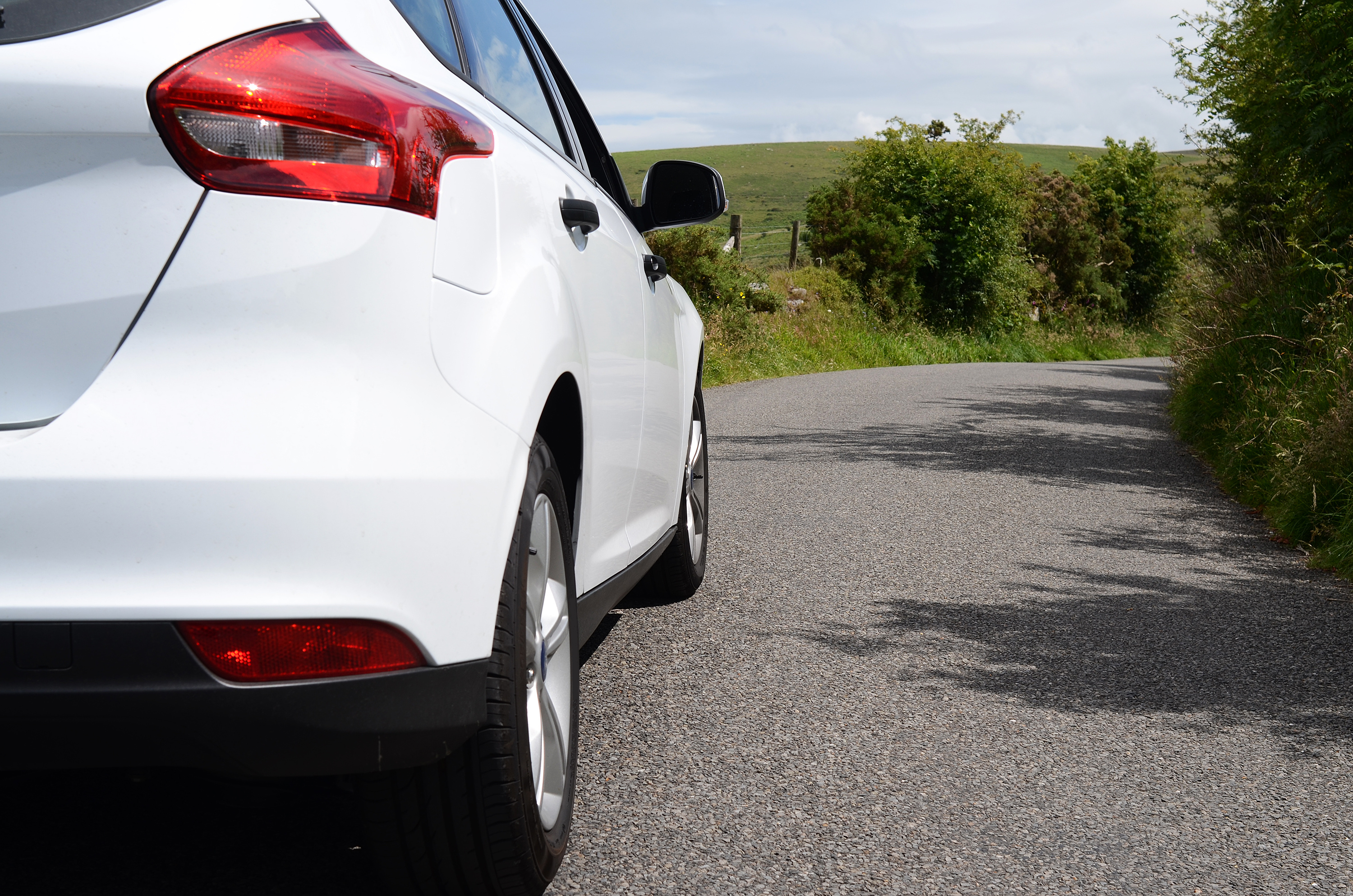
Testing the car on country roads reveals handling, suspension, and steering response in ways that urban driving alone cannot, thanks to bends, undulations, and varied surfaces typical of rural routes. Rural routes like these expose issues that might stay hidden on straighter, smoother roads.
The most common things country road driving reveals include:
- Cornering Confidence: Bends at moderate speed reveal how confidently and predictably the car handles, exposing any vague or unsettled steering.
- Suspension Response to Undulations: Rolling or uneven road surfaces test the suspension's ability to absorb changes in road height smoothly.
- Steering Feedback Through Corners: Country roads provide a better test of genuine steering feel than the straighter lines typical of urban driving.
- Engine Response to Changing Demands: Frequent acceleration and deceleration on country roads test the engine and gearbox working together more actively.
- Overall Ride Comfort on Rougher Surfaces: Country roads often expose ride quality issues that a smoother urban surface would otherwise disguise.
Country roads offer some of the most revealing test drive conditions available, precisely because they combine several driving demands at once. A car that handles confidently and comfortably here is likely to perform well across almost any UK road condition.
Why Should You Include Motorway Driving if Possible?
Including motorway driving where possible reveals stability, wind noise, and whether the car pulls to one side at sustained higher speeds, none of which show up clearly during slower urban or country road driving. Motorway speed also tests overtaking acceleration effectively.
The most common things motorway driving reveals include:
- High-Speed Stability: Motorway speeds reveal any tendency to wander or feel unsettled that lower speeds simply wouldn't expose.
- Steering Pull at Speed: A car pulling to one side often becomes far more noticeable at motorway speed than during slower driving.
- Wind and Road Noise Levels: Motorway driving tests cabin insulation and noise levels more thoroughly than any other road type.
- Overtaking Acceleration: Testing the car's response when accelerating to overtake confirms genuine performance beyond gentle, steady-speed driving.
- Cruise Control and Motorway Features: Where fitted, cruise control and other motorway-focused features can be properly tested only at sustained higher speed.
Not every test drive can include a motorway stretch, particularly depending on the seller's location, but including one where possible adds a valuable extra layer of confidence. A car that feels planted and quiet at 70mph gives considerably more reassurance than one tested only at lower speeds.
How Can Different Road Surfaces Reveal Hidden Faults?
Different road surfaces reveal hidden faults by stressing the suspension, steering, and bodywork in different ways, with rougher surfaces in particular exposing noises and looseness that a smooth road would otherwise mask. Testing a genuine mix of surfaces gives the most complete picture.
The most common ways varied road surfaces expose hidden faults include:
- Rough Surfaces Reveal Suspension Noise: Potholes and uneven patches quickly expose knocking or clunking sounds from worn suspension components.
- Smooth Surfaces Reveal Subtle Vibration: A smoother road makes it easier to notice a subtle vibration that rougher surfaces might otherwise disguise.
- Speed Bumps Test Suspension Travel: Driving over speed bumps at a sensible speed reveals how well the suspension controls body movement.
- Camber and Uneven Roads Test Steering: Roads with noticeable camber or unevenness reveal whether the steering pulls or requires constant correction.
- Surface Changes Test Overall Composure: A car transitioning smoothly between different surface types suggests well-maintained suspension and steering components.
Sticking to a single, familiar smooth road throughout a test drive risks missing faults that only reveal themselves under different conditions. Seeking out a genuine mix of surfaces, even within a short test route, considerably improves the chances of catching a hidden problem before it becomes the buyer's expense.
How Should the Engine Perform During a Test Drive?
A healthy used car engine accelerates smoothly, idles consistently, runs free of unusual noises, and produces no excessive exhaust smoke throughout the test drive. Any deviation from this baseline deserves closer investigation before proceeding with a purchase.
The most common engine performance checks during a test drive include:
- Smooth Acceleration: The engine responds promptly and evenly to the accelerator, without hesitation, jerking, or a delayed response.
- Consistent Idling: A healthy engine idles steadily, without surging, dipping, or stalling, both when cold and once warmed up.
- Absence of Unusual Noises: Knocking, whining, or rattling sounds under load point toward developing engine problems worth investigating further.
- No Excessive Exhaust Smoke: Persistent smoke of any colour during driving suggests a genuine mechanical issue rather than a cosmetic quirk.
- Consistent Power Delivery: Power builds predictably through the rev range, without flat spots or sudden surges in either direction.
- Check Engine Temperature Gauge Behaviour: The temperature gauge rises to a normal operating level and stays there, rather than climbing continuously.
- Note Fuel Economy During the Drive: Keeping an eye on the trip computer's fuel economy reading gives a useful early indication of real-world running costs.
The engine represents the single most expensive component to repair or replace on almost any car, making thorough assessment during the test drive particularly important. A few extra minutes spent listening and feeling for these signs can save thousands of pounds in avoided repair costs.
Does the Engine Accelerate Smoothly?
Smooth engine acceleration means power builds progressively and predictably as you press the accelerator, without hesitation, jerking, or unexpected surges. Any roughness during acceleration points toward a fuel, ignition, or sensor problem worth investigating.
The most common signs of smooth, healthy acceleration include:
- Immediate Throttle Response: The engine responds promptly the moment the accelerator is pressed, without a noticeable delay.
- Progressive Power Build: Power increases smoothly and predictably through the rev range, rather than surging or flattening unexpectedly.
- No Hesitation or Stumbling: The engine shouldn't stumble or briefly cut out during acceleration, a sign of a potential fuel delivery issue.
- Consistent Performance Across Gears: Acceleration feels similarly smooth across each gear, rather than rough in some and fine in others.
- No Unusual Vibration Under Load: Excessive vibration specifically during acceleration can point toward engine mounting or balance problems.
Testing acceleration across a range of speeds, from gentle pulling away to a firmer press on a clear stretch of road, gives a much more complete picture than a single gentle test. Genuine problems often only reveal themselves under slightly more demanding conditions.
Should the Engine Idle Consistently?
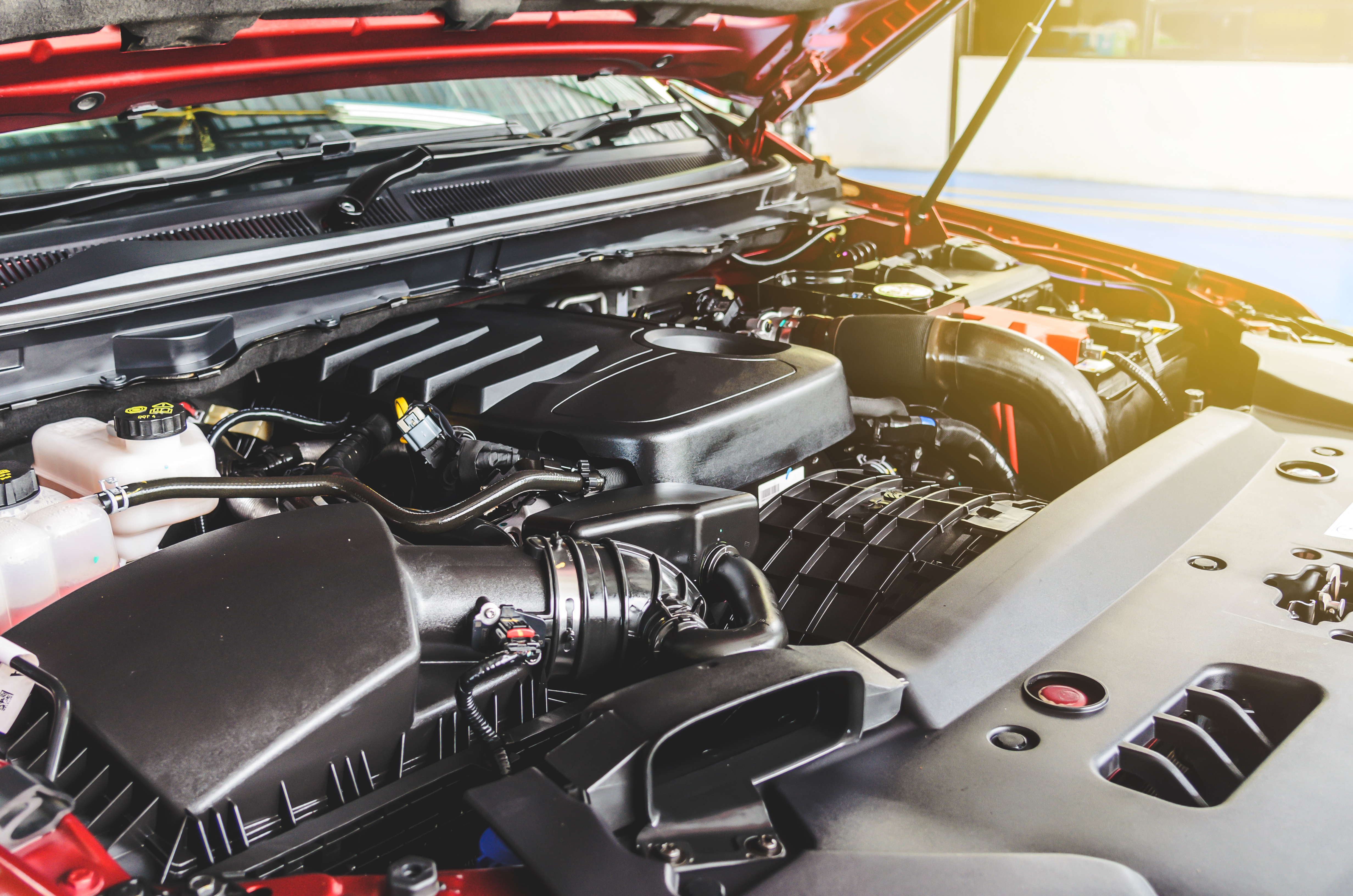
A healthy engine idles consistently, maintaining a steady speed without surging, dipping, or threatening to stall, whether cold or fully warmed up. An inconsistent idle often points toward a sensor, vacuum leak, or fuel system issue.
The most common signs of a healthy, consistent idle include:
- Steady Idle Speed: The engine settles at a consistent speed without fluctuating up and down noticeably while stationary.
- No Stalling Risk: A healthy idle shouldn't threaten to stall, particularly when the car is stationary with the clutch disengaged.
- Smooth Transition From Cold to Warm: Idle speed may naturally settle slightly as the engine warms, but shouldn't behave erratically during this transition.
- Consistent Idle With Accessories On: Idle speed remains steady even with air conditioning, lights, and other accessories switched on.
- No Unusual Vibration at Idle: Excessive shaking or vibration while idling can indicate an engine mount or cylinder balance problem.
An inconsistent idle rarely resolves on its own and frequently points toward an underlying sensor or vacuum system fault. Watching and listening carefully while the car sits at idle for a minute or two provides valuable diagnostic information before ever moving off.
Are There Any Unusual Noises From the Engine?
Unusual engine noises, including knocking, whining, or ticking sounds, often signal developing mechanical wear that's likely to worsen over time. Identifying exactly when a noise occurs, whether at idle, acceleration, or a specific speed, helps narrow down the likely cause.
The most common unusual engine noises to listen for include:
- Knocking Sounds: A persistent knock, particularly under load, can indicate serious internal wear that's expensive to repair.
- Whining or Whistling Noises: Whining or whistling noises often point toward a turbocharger, belt, or bearing issue worth investigating further.
- Ticking or Tapping Sounds: A rhythmic tick can suggest valve train wear, though it's sometimes a normal characteristic of certain engine designs.
- Rattling During Acceleration: A rattle specifically under acceleration can point toward exhaust heat shield or timing chain issues.
- Grinding or Metallic Noises: Any grinding sound suggests a serious mechanical problem requiring immediate professional assessment before proceeding.
Any unusual noise from the engine deserves a direct question to the seller and, ideally, a second opinion from an independent mechanic if a purchase seems likely. Engine repairs rank among the most expensive a used car owner can face, making this checkpoint particularly important.
Is Excessive Exhaust Smoke a Warning Sign?
Excessive exhaust smoke is a genuine warning sign, with the smoke's colour offering a useful clue about the likely underlying cause. Blue, white, and black smoke each point toward a different mechanical issue worth investigating before proceeding.
The most common types of exhaust smoke and their causes include:
- Blue Smoke: Blue smoke typically indicates the engine is burning oil, often pointing toward worn piston rings or valve seals.
- White Smoke: Thick, persistent white smoke frequently suggests coolant entering the combustion chamber, a sign of a potentially serious head gasket problem.
- Black Smoke: Black smoke usually points toward the engine burning too much fuel, often linked to a fuel system or sensor fault.
- Smoke Duration Matters: A brief puff on a cold start differs significantly from smoke that persists throughout the drive.
- Smoke Alongside Other Symptoms: Smoke combined with unusual noises or poor performance strengthens the case for a serious underlying issue.
Understanding what each colour of smoke typically indicates helps buyers ask far more targeted questions of the seller. Persistent smoke of any colour, rather than a single brief puff on a cold start, counts as a serious concern worth walking away from if unresolved.
How Can You Assess the Gearbox and Clutch?
Assessing the gearbox and clutch during a test drive means checking that manual gear changes feel smooth, the clutch bites consistently without slipping, and an automatic gearbox shifts predictably without hesitation. Any roughness in either system points toward a potentially expensive repair.
The most common gearbox and clutch checks during a test drive include:
- Smooth Manual Gear Changes: Gears engages cleanly without grinding, resistance, or difficulty finding the correct gear.
- Consistent Clutch Bite Point: The clutch engages at a predictable point without slipping or feeling unusually high or low.
- Predictable Automatic Shifts: A healthy automatic gearbox changes gear smoothly and at sensible points without hesitation or jerking.
- No Unusual Noises During Gear Changes: Whining, clunking, or grinding during gear changes points toward developing gearbox wear.
- Confident Hill Starts: Testing a hill start, where possible, reveals clutch control and confirms the handbrake or hill-hold system works properly.
- Test Gear Changes at Varied Speeds: Changing gear at both low and higher speeds confirms the gearbox performs consistently across different driving situations.
- Check for Gearbox Warning Lights: Any warning light specific to the transmission appearing during the drive indicates a fault requiring immediate investigation.
Gearbox and clutch repairs rank among the most expensive a used car owner can face, often running into thousands of pounds for a full replacement. Paying close attention to this system throughout the test drive offers some of the strongest protection against an unexpectedly costly repair bill.
Should Manual Gear Changes Feel Smooth?
Manual gear changes feels smooth and precise, engaging cleanly without grinding, resistance, or difficulty finding the correct gear. Rough gear changes often point toward clutch wear, worn synchromesh, or a developing gearbox problem.
The most common signs of smooth, healthy manual gear changes include:
- Clean Engagement Into Each Gear: Gears slot in positively without needing to be forced or wiggled into place.
- No Grinding Noises: Grinding during gear changes, particularly into second gear, suggests worn synchromesh components.
- Consistent Feel Across All Gears: Every gear engages with a similar level of smoothness, rather than some feeling notably rougher than others.
- Easy Reverse Gear Selection: Reverse engages without excessive resistance or an unusual noise, often via a dedicated selection mechanism.
- No Difficulty Finding Neutral: The gearbox finds neutral easily and consistently, without needing to search for the correct position.
Testing every gear during the drive, rather than sticking to just second and third, gives a much more complete picture of the gearbox's true condition. A fault affecting only one specific gear can otherwise go entirely unnoticed until after purchase.
How Can You Identify Clutch Wear?
Clutch wear is identified by checking the bite point height, watching for slipping under load, and listening for unusual noises when the pedal is pressed. A worn clutch typically bites high, slips under acceleration, or produces a noticeable smell.
The most common signs of clutch wear to check for include:
- High or Inconsistent Bite Point: A bite point that's crept unusually high, or shifts between drives, suggests significant clutch wear.
- Slipping Under Acceleration: Revs rising without a corresponding increase in speed, particularly in higher gears, points toward a slipping clutch.
- Burning Smell During Testing: A distinctive burning smell, especially after repeated hill starts, suggests the clutch is struggling under load.
- Difficulty Fully Engaging: A clutch that struggles to fully disengage can make finding neutral or changing gear noticeably harder.
- Unusual Noises When Pressed: Squealing or grinding specifically when the clutch pedal is pressed points toward release bearing wear.
Clutch replacement typically costs several hundred pounds, making this one of the more expensive components to inherit as a hidden fault. Testing the clutch specifically through a hill start and a firm acceleration test gives the clearest indication of its true remaining lifespan.
How Should an Automatic Gearbox Perform?
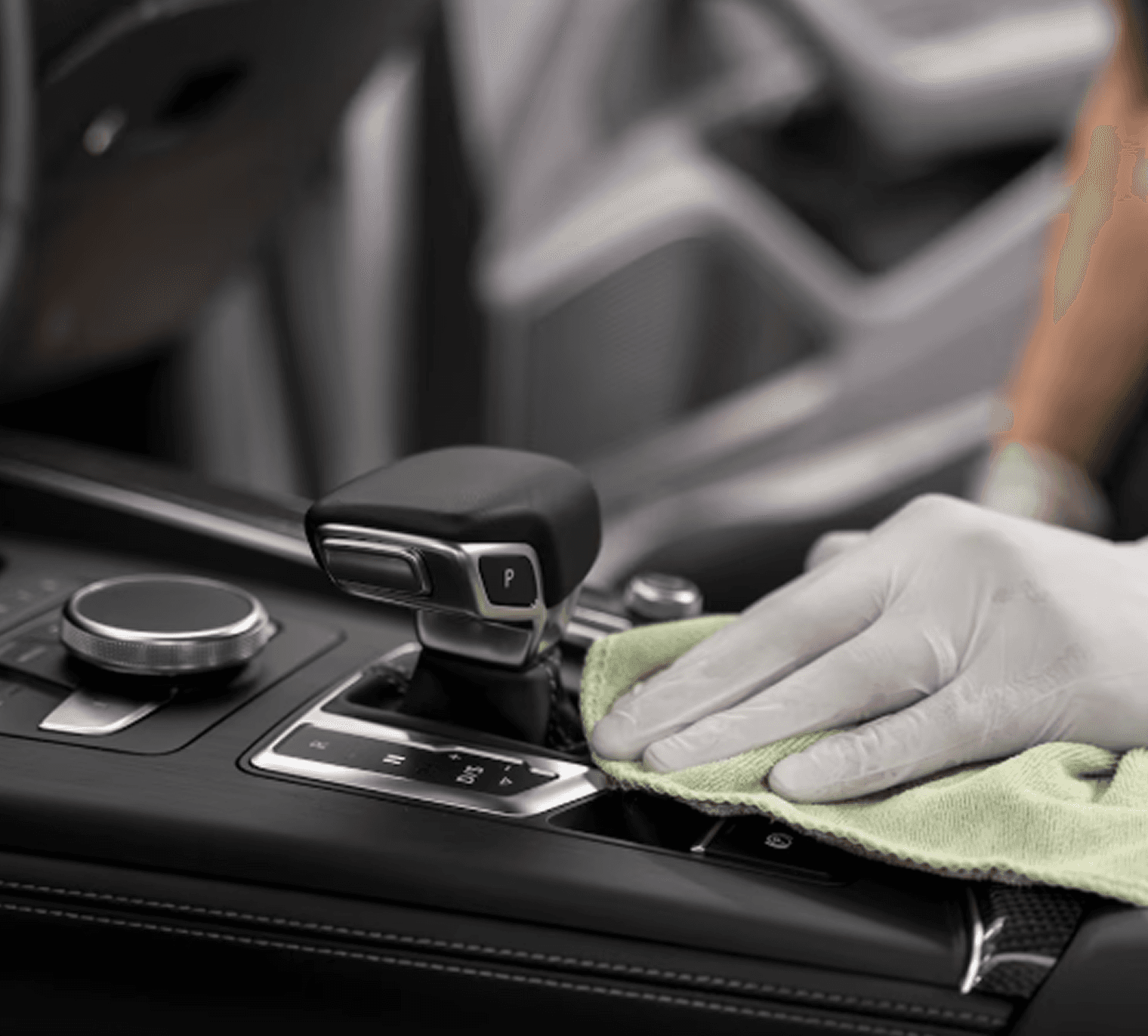
A healthy automatic gearbox shifts smoothly and predictably between gears, without hesitation, jerking, or unusual noise, both at low speed and during harder acceleration. Any roughness or delay in shifting points toward a potentially expensive transmission issue.
The most common signs of a healthy automatic gearbox include:
- Smooth Shifts at Steady Speed: Gear changes during gentle, steady driving feels almost imperceptible, without any noticeable jerk.
- Prompt Response Under Acceleration: The gearbox responds quickly when accelerating firmly, changing down without excessive delay or hesitation.
- No Jerking Between Gears: Noticeable jerking or a clunk during gear changes suggests wear or a developing transmission fault.
- Consistent Behaviour When Warm: Some automatic gearboxes shift differently when cold, so testing after some driving confirms consistent performance.
- No Warning Lights During Testing: A transmission-specific warning light appearing during the drive indicates a fault requiring immediate investigation.
Automatic gearbox repairs frequently rank among the most expensive on any car, often exceeding the cost of a manual clutch replacement significantly. Any hesitation, jerking, or unusual noise during testing warrants a serious, cautious approach before proceeding further with the purchase.
What Signs Indicate Gearbox Problems?
Signs indicating gearbox problems include grinding noises, difficulty selecting gears, unexpected slipping, and warning lights specific to the transmission. Any of these signs, whether on a manual or automatic car, points toward a potentially expensive repair.
The most common warning signs of gearbox problems include:
- Grinding or Crunching Noises: Whining, clunking, or grinding sounds during gear changes typically indicate worn internal components requiring professional attention.
- Difficulty Selecting Gears: Struggling to engage a specific gear, or gears popping out unexpectedly, suggests significant internal wear.
- Unexpected Slipping: The gearbox failing to hold a gear properly, particularly under load, points toward a developing transmission fault.
- Transmission Warning Lights: A dashboard warning light specific to the transmission system indicates an electronically detected fault requiring investigation.
- Unusual Vibration During Gear Changes: Vibration specifically coinciding with gear changes can point toward a mounting or internal component issue.
Any combination of these signs justifies seeking a second opinion from an independent mechanic before committing to a purchase. Gearbox problems rarely improve without intervention and frequently escalate into a considerably more expensive repair the longer they're left unaddressed.
How Should the Steering Feel?
Healthy steering feels responsive and precise, with the car travelling in a straight line without pulling to either side, and no vibration or knocking through the steering wheel. Any deviation from this baseline suggests a wheel alignment, suspension, or steering component issue.
The most common steering checks during a test drive include:
- Responsive, Precise Feel: The steering responds promptly to input, without excessive play or a vague, disconnected feeling.
- No Pulling to One Side: The car tracks straight on a level road without constant steering correction needed to stay straight.
- No Vibration Through the Wheel: Vibration felt through the steering wheel, particularly at speed, points toward a wheel balance or alignment issue.
- Smooth Return to Centre: After a turn, the steering returns naturally toward centre rather than requiring active correction.
- No Knocking Noises When Turning: Knocking sounds specifically when turning the wheel suggest worn steering or suspension components.
- Check Power Steering Assistance Levels: Power steering assistance feels consistent at all speeds, neither too heavy at low speed nor too light at higher speed.
- Test Steering While Reversing: Steering feels just as responsive and predictable while reversing as it does moving forward.
Steering problems affect both comfort and safety, making this system particularly important to assess thoroughly during the test drive. Testing at a range of speeds, including gentle turns and a longer straight stretch, gives the clearest picture of the steering's true condition.
Should the Steering Feel Responsive?
The steering feels responsive, translating input into a proportionate, predictable change in direction without excessive play or delay. Vague or overly light steering can point toward worn components or a developing alignment issue.
The most common signs of responsive, healthy steering include:
- Proportionate Response to Input: Turning the wheel a small amount produces a correspondingly small change in direction, without a delay.
- Minimal Free Play: The steering wheel moves only slightly before the front wheels respond to the input.
- Consistent Weight Through the Turn: Steering weight feels consistent and predictable throughout a turn, rather than varying unexpectedly.
- Clear Feedback From the Road: Some genuine feedback from the road surface reassures the driver the steering system is functioning properly.
- Confident Feel at Speed: Steering feels settled and confident at higher speeds, without becoming twitchy or over-sensitive.
Vague, imprecise steering rarely improves without intervention and can point toward anything from worn track rod ends to a more significant alignment problem. Testing the steering across both gentle and more decisive turns helps confirm whether this system genuinely performs as expected.
Does the Vehicle Pull to One Side?
A vehicle pulling to one side, requiring constant steering correction to maintain a straight line, typically points toward a wheel alignment issue, uneven tyre pressures, or a suspension fault. A pull like this often becomes more noticeable at higher speeds.
The most common causes of a vehicle pulling to one side include:
- Wheel Alignment Issues: Misaligned wheels are among the most common causes of a persistent pull, often following a kerb impact or pothole.
- Uneven Tyre Pressures: A significant pressure difference between tyres can cause a noticeable pull, though this is usually easily corrected.
- Uneven Tyre Wear: Tyres worn unevenly across the tread can contribute to a pulling sensation, particularly at higher speeds.
- Suspension Component Wear: Worn suspension bushes or components on one side of the car can cause an asymmetric pulling effect.
- Brake Calliper Sticking: A sticking brake calliper on one side can create a subtle pulling sensation, particularly when braking lightly.
Testing on a flat, level road with hands lightly on the wheel gives the clearest indication of whether a genuine pull exists. Any consistent pulling sensation deserves further investigation before proceeding, since the underlying cause can range from a simple fix to a more significant repair.
Should the Steering Wheel Vibrate?
The steering wheel shouldn't vibrate noticeably during normal driving, and any vibration, particularly at specific speeds, typically points toward a wheel balance, tyre, or brake disc issue. Vibration that worsens with speed often narrows down the likely cause further.
The most common causes of steering wheel vibration include:
- Wheel Balance Problems: An out-of-balance wheel typically causes vibration that worsens progressively as speed increases.
- Tyre Damage or Irregularity: A damaged or irregularly worn tyre can cause a noticeable vibration, particularly at certain speed ranges.
- Warped Brake Discs: Vibration specifically felt when braking often points toward warped discs rather than a wheel balance issue.
- Suspension Component Wear: Worn suspension parts can contribute to vibration, particularly over rougher road surfaces.
- Loose Wheel Fixings: Though less common, loose wheel nuts can cause vibration and represent a genuine safety concern requiring immediate attention.
Any vibration through the steering wheel deserves careful attention, both for the underlying cost implications and, in some cases, for genuine safety reasons. Noting the specific speed at which vibration appears helps narrow down the likely cause considerably before seeking a professional opinion.
Are Knocking Sounds a Cause for Concern?
Knocking sounds from the steering or suspension are a genuine cause for concern, typically indicating worn components that continue deteriorating without repair. Knocking like this often becomes more noticeable over bumps or during turning.
The most common causes of knocking sounds related to steering include:
- Worn Suspension Bushes: Deteriorated rubber bushes commonly produce a knocking sound, particularly over bumps or uneven surfaces.
- Worn Anti-Roll Bar Links: Anti-roll bar links frequently develop play over time, producing a knock during cornering or over bumps.
- Loose or Worn Track Rod Ends: Wear here can produce a knocking sound specifically when turning the steering wheel.
- Strut Top Mount Wear: A worn strut mount can create a knocking noise, particularly noticeable over speed bumps or rough surfaces.
- Loose Steering Column Components: Less common but possible, a knock felt through the steering wheel itself suggests a column-related issue.
Knocking sounds rarely resolve on their own and typically indicate a component already partway through its wear cycle. Identifying exactly when the knock occurs, whether over bumps, during turns, or both, helps a mechanic diagnose the specific cause more quickly and accurately.
How Can You Evaluate the Brakes?
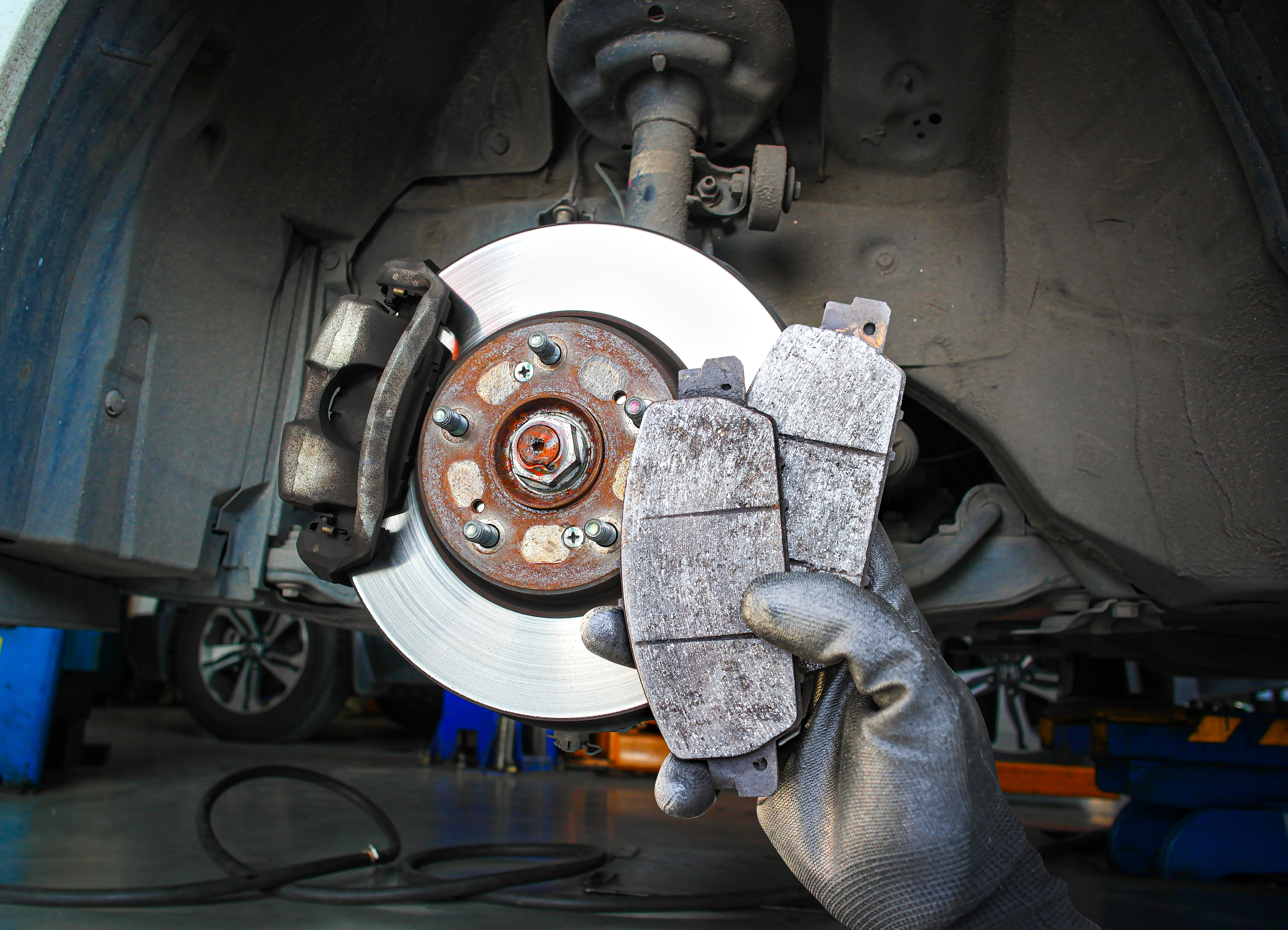
Evaluating the brakes means checking that they respond smoothly, bring the car to a stop in a straight line, and produce no vibration, grinding, or squealing during braking. Any deviation from this baseline points toward a safety-critical issue worth resolving before purchase.
The most common brake checks during a test drive include:
- Smooth Pedal Response: The brake pedal responds consistently, without feeling spongy, overly firm, or requiring excessive travel.
- Straight-Line Stopping: The car stops in a straight line without pulling to either side, confirming even brake performance across both sides.
- No Vibration Under Braking: Vibration felt through the pedal or steering wheel while braking suggests warped discs requiring attention.
- No Grinding or Squealing Noises: Grinding or squealing sounds typically indicate worn brake pads that need replacing soon.
- Confident Emergency Stop Feel: Testing a firmer, controlled stop in a safe location confirms the brakes perform reliably under more demanding conditions.
- Test the Handbrake Separately: The handbrake holds the car securely on an incline without excessive travel or a weak, ineffective feel.
- Check Brake Pedal Height Consistency: The brake pedal sits at a consistent height each time it's pressed, rather than gradually sinking closer to the floor.
Brakes represent one of the most safety-critical systems on any car, making thorough testing during the drive absolutely essential rather than optional. Any hesitation, pulling, or noise during braking deserves serious attention before committing to a purchase.
Do the Brakes Respond Smoothly?
Brakes responding smoothly means the pedal offers consistent resistance and stopping power builds predictably as pressure increases, without sponginess, excessive travel, or sudden grabbing. Any inconsistency suggests a hydraulic or component wear issue worth investigating.
The most common signs of smooth, healthy brake response include:
- Consistent Pedal Resistance: The brake pedal feels firm and consistent, rather than spongy or requiring a pump to build pressure.
- Predictable Stopping Power: Braking force builds smoothly and proportionately as pedal pressure increases, without sudden grabbing.
- No Excessive Pedal Travel: The pedal travels only a normal distance before braking force takes effect.
- Consistent Feel Across Multiple Stops: Braking feels similarly responsive across several stops during the test drive, not just the first one.
- No Fade During Repeated Braking: Braking performance shouldn't noticeably weaken after several stops in succession, a sign of potential overheating issues.
A spongy or inconsistent brake pedal often points toward air in the hydraulic system or a fluid leak, both of which require prompt professional attention. Testing braking response across several different stops during the drive gives a much clearer picture than judging from a single stop alone.
Does the Car Stop in a Straight Line?
The car stopping in a straight line means it decelerates evenly without pulling to either side, confirming balanced brake performance across both sides of the vehicle. Pulling during braking typically points toward uneven pad wear or a sticking calliper.
The most common things to check regarding straight-line braking include:
- No Pulling to Either Side: The car decelerates in a straight line without needing steering correction to stay on course.
- Even Braking Force Distribution: Both sides of the car contribute equally to stopping, without one side seeming to brake harder.
- Consistent Behaviour at Different Speeds: Straight-line stopping holds true whether braking gently or more firmly from a higher speed.
- No Unusual Steering Wheel Movement: The steering wheel shouldn't twist or jerk noticeably during braking, a sign of uneven brake performance.
- Confirmed on a Quiet, Safe Road: Testing this properly requires a safe location free of other traffic, allowing a firmer, more conclusive test.
A car pulling noticeably during braking presents a genuine safety concern that shouldn't be dismissed as a minor quirk. Pulling like this often stems from a sticking calliper or uneven pad wear, both of which a mechanic can typically diagnose and resolve at a reasonable cost.
Are There Vibrations Under Braking?
Vibrations under braking, whether felt through the pedal or the steering wheel, typically indicate warped brake discs that need machining or replacement. That vibration usually becomes more pronounced the harder the brakes are applied.
The most common causes of vibration under braking include:
- Warped Brake Discs: Uneven disc surfaces, often caused by overheating or age, commonly produce a pulsing vibration when braking.
- Vibration Felt Through the Pedal: Vibration felt specifically through the pedal strongly suggests a disc-related issue rather than a wheel balance problem.
- Vibration Felt Through the Steering Wheel: Front disc issues in particular often transmit vibration through the steering column noticeably.
- Vibration Worsening With Brake Pressure: A vibration that intensifies as brake pressure increases points more strongly toward disc warping.
- Consistent Vibration at a Specific Speed: Noting the exact speed or braking force at which vibration occurs helps narrow down the cause further.
Warped discs typically cost a moderate amount to replace and rarely represent a serious safety risk if addressed promptly. That said, any vibration under braking deserves attention before purchase, both to budget for the repair and to confirm no more serious underlying issue exists.
Do You Hear Grinding or Squealing Noises?
Grinding or squealing noises during braking typically indicate worn brake pads, with squealing often serving as an early warning built into modern pad designs. Grinding suggests the pads have worn through completely, risking damage to the discs themselves.
The most common causes of grinding or squealing brake noises include:
- Squealing From Wear Indicators: Many modern brake pads include a small metal tab designed to squeal specifically when pads need replacing soon.
- Grinding From Worn-Through Pads: A grinding noise typically means the pad material has worn away entirely, risking metal-on-metal contact.
- Noise Specific to One Wheel: A noise isolated to one side often points toward uneven wear or a specific calliper issue on that wheel.
- Noise That Varies With Pedal Pressure: Noise that changes character depending on how hard the brakes are applied helps narrow down the cause.
- Noise Present Only When Cold: Some brake noise that disappears once the brakes have warmed up can be less serious, though still worth noting.
Squealing serves as a useful early warning worth acting on promptly, since replacing pads early avoids the more expensive disc damage that grinding can eventually cause. Any grinding noise in particular counts as an immediate concern requiring prompt professional attention.
How Should the Suspension Perform?
Healthy suspension absorbs bumps comfortably, avoids excessive bouncing after a bump, and produces no knocking noises over uneven surfaces. Uneven ride quality, where one side feels noticeably different from the other, points toward a genuine suspension fault.
The most common suspension checks during a test drive include:
- Comfortable Bump Absorption: The suspension smooths out bumps and potholes without transmitting harsh impacts directly into the cabin.
- Controlled Rebound: The car settles quickly after a bump, rather than continuing to bounce for several seconds afterward.
- No Knocking Noises: Knocks over bumps or uneven surfaces point toward worn suspension components requiring attention.
- Consistent Feel on Both Sides: The suspension feels evenly matched side to side, without one side seeming notably softer or firmer.
- Stable Body Control Through Corners: The car shouldn't lean excessively or feel unsettled when cornering at a reasonable speed.
- Test Suspension Over a Series of Bumps: Driving over several bumps in quick succession reveals whether the suspension settles quickly or continues reacting.
- Compare Front and Rear Suspension Feel: Comparing how the front and rear of the car respond to the same bump helps identify an isolated fault more precisely.
Suspension problems affect both comfort and handling safety, making this system well worth assessing carefully across a genuine mix of road surfaces. A car that feels composed and controlled over varied bumps and corners gives strong reassurance about its overall mechanical condition.
Does the Suspension Absorb Bumps Comfortably?
Suspension absorbing bumps comfortably means impacts from potholes or uneven surfaces get smoothed out before reaching the cabin, rather than transmitting a harsh, jarring shock directly to the occupants. Poor bump absorption often points toward worn dampers.
The most common signs of comfortable, healthy bump absorption include:
- Smoothed-Out Impact Transmission: Bumps feels cushioned and controlled, rather than sending a sharp jolt through the car.
- No Harsh Crashing Sounds: A loud crash or bang over bumps suggests worn components or insufficient suspension travel remaining.
- Consistent Comfort Across Different Bump Sizes: Both small and larger bumps get absorbed reasonably well, rather than only coping with gentle undulations.
- Quick Settling After Impact: The car settles back to a stable ride height quickly after passing over a bump.
- Comparable Comfort Front and Rear: Both ends of the car handles bumps with a similar level of composure and control.
Poor bump absorption, particularly a harsh, crashing sensation over even modest bumps, often points toward dampers that have worn beyond their effective lifespan. A damper repair, while not usually the most expensive on a car, is well worth factoring into any negotiation if identified during the test drive.
Are Knocking Noises a Warning Sign?
Knocking noises from the suspension are a genuine warning sign, typically indicating worn bushes, links, or mounting points that continue deteriorating without repair. Suspension knocks usually become most noticeable over speed bumps or uneven surfaces.
The most common causes of suspension knocking noises include:
- Worn Suspension Bushes: Deteriorated rubber bushes are among the most common causes of a knock over bumps or rough surfaces.
- Worn Anti-Roll Bar Links: Anti-roll bar links frequently wear over time, producing a distinct knock during cornering or over bumps.
- Loose or Worn Strut Top Mounts: Wear here often produces a knock specifically noticeable over speed bumps.
- Worn Shock Absorbers: Beyond affecting comfort, worn dampers can also produce an audible knocking sound under certain conditions.
- Loose Suspension Fixings: Though less common, genuinely loose fixings represent a more serious concern requiring prompt professional attention.
Suspension knocks rarely resolve without repair and generally indicate a component already significantly worn. Identifying precisely where the knock seems to come from, front or rear, left or right, helps a mechanic pinpoint the exact cause more efficiently.
Does the Vehicle Bounce Excessively?
A vehicle bouncing excessively after a bump, rather than settling quickly, typically indicates worn shock absorbers that can no longer control body movement effectively. Excessive bouncing affects both comfort and handling stability, particularly during cornering.
The most common signs of excessive bouncing include:
- Continued Movement After a Bump: The car settles within one or two gentle movements after a bump, rather than continuing to bounce repeatedly.
- Reduced Control During Cornering: Worn dampers often allow excessive body roll and unsettled handling when cornering at moderate speed.
- Uneven Bouncing Side to Side: One side bouncing noticeably more than the other suggests an isolated damper fault on that specific corner.
- Poor Composure Over Consecutive Bumps: Multiple bumps in quick succession can expose worn dampers more clearly than a single isolated bump.
- Reduced Tyre Contact Confidence: Excessive bouncing can momentarily reduce tyre contact with the road, affecting both grip and braking performance.
Worn dampers affect more than just comfort, since reduced body control can genuinely compromise handling and braking performance in more demanding situations. That compromise makes excessive bouncing a safety-relevant issue worth addressing promptly rather than simply tolerating for comfort's sake.
Why Is Uneven Ride Quality a Concern?
Uneven ride quality, where one side or corner of the car feels noticeably different from the others, points toward an isolated suspension fault rather than general wear affecting the whole car. Unevenness like this can also indicate uneven weight distribution or accident damage.
The most common reasons uneven ride quality matters include:
- Suggests an Isolated Fault: A problem affecting just one corner points toward a specific worn component rather than general age-related wear.
- Can Indicate Previous Accident Damage: Significant unevenness occasionally points toward repair work following an accident, worth investigating through a history check.
- Affects Handling Predictability: Uneven suspension performance can make the car behave less predictably during cornering or braking.
- Often Progresses if Left Unaddressed: An isolated fault typically continues to worsen, potentially affecting other components over time.
- Worth Comparing Side to Side Directly: Deliberately comparing how each side of the car responds to similar bumps helps confirm genuine unevenness.
Noticing a genuine difference in ride quality between sides of the car during a test drive is a valuable diagnostic clue that shouldn't be dismissed. Asymmetry like this often points toward a specific, identifiable repair rather than a vague, general concern, making it well worth investigating further before finalising a purchase.
How Can You Check the Tyres During a Test Drive?
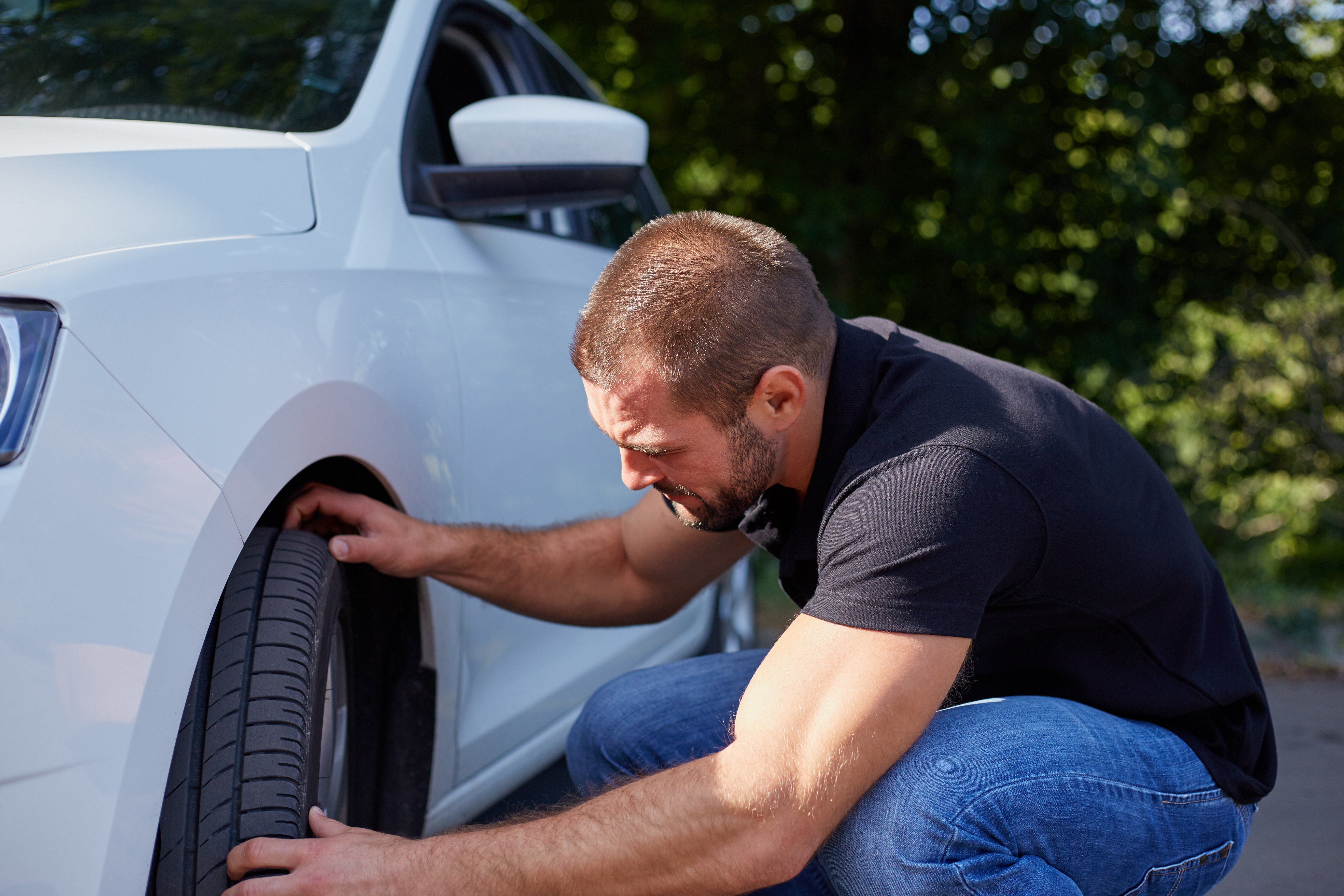
Checking the tyres during a test drive means listening for noise that suggests uneven wear, watching for handling changes that indicate poor tyre condition, and monitoring for vibration at different speeds. Tyre condition directly affects both safety and near-term replacement costs.
The most common tyre checks during a test drive include:
- Listening for Road Noise: Excessive noise, particularly from one specific tyre, can indicate uneven wear or an unusual tread pattern.
- Assessing Handling Confidence: Poor tyre condition can make the car feel less confident and predictable, particularly in wet conditions.
- Monitoring Vibration at Speed: Vibration appearing or worsening at specific speeds often points toward a tyre-related issue.
- Checking Tread Depth Visually: A quick visual check before setting off confirms whether tyres are approaching the legal minimum.
- Noting Tyre Brand Consistency: Mismatched tyre brands across the car can sometimes point toward inconsistent maintenance history.
- Check Tread Depth Visually Beforehand: A quick visual check confirms tread depth sits safely above the legal minimum before setting off.
- Note Tyre Brand and Age Where Visible: Checking tyre brand consistency and manufacture date, where visible, adds useful context to overall condition.
Tyres represent one of the more straightforward things to assess yet are easily overlooked during a test drive focused on the engine and gearbox. A full set of worn tyres can represent a genuine and immediate cost, well worth factoring into any price negotiation.
Does Tyre Noise Indicate Uneven Wear?
Tyre noise can indicate uneven wear, with a droning or humming sound at consistent speed often pointing toward tread wearing unevenly across the tyre's surface. A drone like this typically becomes more noticeable at higher speeds on smoother road surfaces.
The most common things unusual tyre noise can indicate include:
- Uneven Tread Wear: A persistent drone can suggest the tyre has worn unevenly, often linked to alignment or suspension issues.
- Noise Isolated to One Tyre: Noise seeming to come specifically from one corner points toward a problem isolated to that particular tyre.
- Noise Changing With Speed: Noise that changes character or intensity as speed increases helps narrow down whether the cause is tyre or mechanical.
- Different Tyre Types or Brands: Mismatched tyres can produce noticeably different noise levels, sometimes hinting at inconsistent maintenance.
- Noise Present Only on Certain Surfaces: Noise appearing specifically on coarser road surfaces can be a normal characteristic rather than a fault.
While some road noise is entirely normal and varies by tyre design, a persistent, unusual drone specifically linked to one tyre deserves closer visual inspection. Combined with a physical check of tread depth and wear pattern, this helps confirm whether replacement is likely to be needed soon.
Can Tyre Condition Affect Handling?
Tyre condition can significantly affect handling, with worn or damaged tyres reducing grip, extending braking distances, and making the car feel less predictable, particularly in wet or challenging conditions. That effect becomes considerably more pronounced as tread depth decreases.
The most common ways tyre condition affects handling include:
- Reduced Wet Weather Grip: Worn tread depth significantly reduces the tyre's ability to disperse water, increasing the risk of aquaplaning.
- Extended Braking Distances: Poor tyre condition directly increases the distance needed to stop safely, particularly in wet conditions.
- Less Predictable Cornering: Worn or damaged tyres can make the car feel noticeably less confident and predictable when cornering.
- Reduced Traction Under Acceleration: Worn tyres can struggle to put power down effectively, particularly on more powerful cars.
- Increased Risk From Tyre Damage: Cuts, bulges, or uneven wear patterns can all compromise handling and represent a genuine safety concern.
Given how directly tyre condition affects both safety and handling confidence, this remains one of the most important checks to complete before finalising a used car purchase. A car with worn tyres might otherwise seem perfectly sound, while quietly carrying a genuine near-term safety and cost concern.
Why Should You Monitor Vibration at Different Speeds?
Monitoring vibration at different speeds helps narrow down its likely cause, since wheel balance issues typically worsen progressively with speed, while other causes might appear only within a specific speed range. A pattern like this gives a mechanic valuable diagnostic information.
The most common reasons monitoring vibration at different speeds matters include:
- Wheel Balance Issues Worsen With Speed: Vibration that steadily increases as speed rises points strongly toward an out-of-balance wheel.
- Tyre Damage Often Appears at Specific Speeds: Some tyre irregularities cause vibration only within a particular speed range rather than continuously.
- Brake-Related Vibration Appears When Braking: Vibration specifically tied to braking, regardless of speed, points toward a disc issue rather than tyre balance.
- Helps Narrow Down the Likely Cause: Noting exactly when vibration appears gives a mechanic a considerable head start in diagnosing the issue.
- Confirms Whether the Problem Is Consistent: Testing across a range of speeds confirms whether vibration is a persistent issue or an isolated occurrence.
Taking careful mental notes of exactly when and how vibration occurs during the test drive, rather than a vague general impression, makes any follow-up conversation with a mechanic considerably more productive. That extra attention to detail can meaningfully speed up diagnosis and repair.
How Should the Car Handle at Different Speeds?
A well-handling used car remains stable on the motorway, corners confidently at moderate speed, delivers consistent acceleration, and feels balanced overall rather than unsettled or unpredictable. Testing across a genuine range of speeds gives the clearest overall picture.
The most common handling checks across different speeds include:
- Motorway Stability: The car tracks straight and feel settled at sustained higher speeds, without wandering or feeling nervous.
- Confident Cornering: The car corners predictably at moderate speed, without excessive body roll or a feeling of instability.
- Consistent Acceleration: Power delivery feels consistent whether accelerating gently or more firmly, without unexpected flat spots.
- Overall Balance: The car feels evenly weighted and composed, rather than nose-heavy, tail-happy, or generally unsettled.
- Predictable Behaviour Throughout: Handling characteristics remain consistent and predictable across the whole range of speeds tested.
- Test Gradual Speed Changes: Gradually increasing and decreasing speed reveals how smoothly the car transitions between different driving conditions.
- Check Composure During Lane Changes: A quick, safe lane change at a reasonable speed reveals how composed and settled the car feels during sudden direction changes.
Handling assessment brings together many of the individual checks already covered, including steering, suspension, and tyres, into one overall impression of how the car behaves as a complete package. A car excelling in individual checks but feeling unsettled overall still deserves further investigation.
Does the Vehicle Remain Stable on the Motorway?

A vehicle remaining stable on the motorway means it tracks straight and confidently at sustained higher speeds, without wandering, feeling nervous, or requiring constant steering correction. Instability at motorway speed often points toward alignment, suspension, or tyre issues.
The most common signs of motorway stability include:
- Straight, Confident Tracking: The car holds a consistent line without needing frequent small steering corrections to stay straight.
- Composed Feel in Crosswinds: Some movement in strong crosswinds is normal, but the car feels controlled and quick to settle again.
- Confident Overtaking Performance: Acceleration and stability both feel confident and predictable when overtaking at motorway speed.
- Minimal Wander Over Time: Extended motorway driving shouldn't reveal a gradual drift or wander not noticeable during a shorter test.
- Comfortable, Settled Ride Quality: Motorway surfaces feels comfortable and controlled, without excessive vibration or harshness.
Motorway stability offers one of the clearest overall indicators of a car's mechanical health, since it combines steering, suspension, and tyre performance into a single, easily noticed impression. A car feeling nervous or unsettled at motorway speed deserves further investigation before proceeding with a purchase.
Does the Car Corner Confidently?
A car cornering confidently means it holds its intended line through a bend with predictable, well-controlled body movement, rather than feeling unsettled, leaning excessively, or requiring correction mid-corner. Confident cornering like this reflects the suspension, steering, and tyres working well together.
The most common signs of confident cornering include:
- Predictable Line Through Bends: The car follows the intended line through a corner without unexpected understeer or oversteer.
- Controlled Body Roll: Some lean during cornering is normal, but it feels controlled and progressive rather than sudden or excessive.
- No Mid-Corner Correction Needed: The steering shouldn't require significant correction partway through a bend to maintain the intended line.
- Confident Grip Throughout: The tyres maintain grip confidently through a corner taken at a sensible, legal speed.
- Smooth Transition In and Out of Corners: The car settles quickly both entering and exiting a bend, rather than continuing to unsettle afterward.
Testing cornering confidence on a quiet stretch of country road, at entirely legal and sensible speeds, gives valuable insight into how the suspension
and steering systems work together. A car that feels vague or unsettled through corners often points toward one of the individual faults covered elsewhere in this guide.
Is Acceleration Consistent?
Consistent acceleration means the car builds speed predictably and evenly across the rev range and through each gear, without unexpected flat spots, hesitation, or surges. Inconsistency often points toward a fuel delivery, sensor, or ignition issue worth investigating.
The most common signs of consistent acceleration include:
- Even Power Delivery Through the Rev Range: Power builds smoothly from low revs through to higher engine speeds, without sudden flat spots.
- Consistent Feel Across Different Gears: Acceleration feels similarly smooth in each gear, rather than notably rougher in some than others.
- Predictable Response to Throttle Input: The same amount of accelerator pressure produces a similar, predictable response each time.
- No Hesitation When Accelerating From Low Speed: Pulling away from a stop or low speed feels smooth, without stumbling or delay.
- Reliable Performance When Warm: Acceleration consistency holds up once the engine has fully warmed through during the test drive.
Testing acceleration at various points during the drive, rather than judging from a single moment, helps confirm genuine consistency rather than a one-off good or bad impression. Any hesitation or unevenness noticed repeatedly deserves further investigation before finalising a purchase decision.
Does the Vehicle Feel Balanced?
A vehicle feeling balanced means its weight distribution and handling characteristics work together harmoniously, without feeling notably nose-heavy, tail-happy, or generally unsettled during normal driving. That overall impression draws together steering, suspension, and tyre performance.
The most common signs of a well-balanced vehicle include:
- Even Weight Distribution Feel: The car shouldn't feel like it's dragging one end around corners or diving excessively under braking.
- Consistent Composure Across Manoeuvres: Braking, cornering, and accelerating all feel similarly controlled, rather than excelling in one area and struggling in another.
- Predictable Response to Driver Input: The car responds in a way that matches driver expectations, without unexpected or exaggerated reactions.
- Comfortable Yet Controlled Ride: A well-balanced car typically combines reasonable comfort with confident control, rather than sacrificing one entirely for the other.
- Settled Feel During Direction Changes: Quick direction changes, such as a lane change, feels composed rather than unsettled or delayed.
Overall balance represents the culmination of every individual system working correctly together, making it one of the most valuable general impressions to form during a test drive. A car that feels genuinely balanced across varied driving conditions offers strong reassurance about its overall mechanical health.
How Can You Test the Vehicle's Technology and Interior Features?
Testing the vehicle's technology and interior features means confirming the air conditioning, dashboard controls, infotainment system, parking sensors, and central locking all function correctly during the test drive. Checks like these protect against inheriting costly electrical repairs after purchase.
The most common technology and interior checks during a test drive include:
- Air Conditioning Function: The system cools effectively within a reasonable time and responds correctly to temperature adjustments.
- Dashboard Control Operation: Every switch and control operates smoothly and produce the expected result without hesitation.
- Infotainment System Performance: The screen, audio, and connectivity features all respond promptly without freezing or glitching.
- Parking Sensor and Camera Function: Parking sensors activate correctly and provide clear, accurate feedback when reversing.
- Window, Mirror, and Central Locking Operation: All electric functions operates smoothly and consistently across every door and panel.
- Test the Heated Seats and Steering Wheel: Where fitted, heated seats and steering wheel warm noticeably within a few minutes of being switched on.
- Check Interior Lighting Function: Interior lights, including footwell and boot lighting, all activate correctly when triggered.
Modern used cars rely heavily on electrical and electronic systems, many of which can prove expensive to repair if faulty. Testing every feature methodically during the test drive, rather than assuming everything works, protects against an unwelcome and costly surprise shortly after purchase.
Is the Air Conditioning Working Properly?
Air conditioning working properly means it cools the cabin effectively within a few minutes and responds correctly to temperature and fan speed adjustments. A system that blows only warm air or takes an unusually long time to cool suggests a refrigerant or component fault.
The most common air conditioning checks include:
- Effective Cooling Within Minutes: The system noticeably cools the cabin within a few minutes of being switched on, even on a mild day.
- Consistent Airflow at All Fan Speeds: Airflow increases and decreases smoothly as fan speed is adjusted, without unusual noise.
- No Unusual Smells When Activated: A musty or unpleasant smell when the air conditioning starts can indicate a build-up requiring cleaning.
- Correct Response to Temperature Controls: Adjusting the temperature dial or digital control produces a corresponding, noticeable change in output.
- No Unusual Noises From the System: Rattling or whining specifically when the air conditioning is running suggests a compressor or fan issue.
Air conditioning repairs, particularly involving the compressor, can prove surprisingly expensive on some models, making this a worthwhile system to test thoroughly rather than overlook. Running the system for several minutes during the test drive, rather than a brief few seconds, gives a much clearer indication of its true condition.
Do All Dashboard Controls Function Correctly?
Dashboard controls functioning correctly means every switch, dial, and button operates smoothly and produces its expected result without delay or inconsistency. Faulty controls can range from a minor inconvenience to a sign of a more significant underlying electrical issue.
The most common dashboard control checks include:
- Light Switch Operation: Headlights, indicators, and hazard warning lights all activate promptly and correctly when switched.
- Wiper and Washer Function: Wipers operates smoothly at each speed setting, with washer fluid spraying correctly onto the windscreen.
- Heating Control Response: Heating controls adjust temperature and airflow direction correctly and consistently.
- Warning Light and Display Function: Every dashboard display illuminates correctly and show accurate, consistent information.
- Button and Switch Consistency: Every button and switch responds the same way each time it's pressed, without intermittent failure.
Testing every single control methodically, rather than assuming they all work based on a couple of quick checks, takes only a few extra minutes but can reveal genuinely useful information. An intermittent fault discovered now is considerably easier to address during negotiation than after the sale completes.
Are Infotainment Systems Operating as Expected?
Infotainment systems operating as expected means the touchscreen, audio system, and any connectivity features all respond promptly and reliably without freezing, glitching, or failing to connect. Given how integrated these systems have become, faults here can prove both frustrating and costly to fix.
The most common infotainment checks include:
- Touchscreen Responsiveness: The screen responds promptly and accurately to touch input, without noticeable lag or missed presses.
- Audio System Quality: Speakers produce clear sound across different volume levels, without distortion or unexpected cutting out.
- Smartphone Connectivity: Bluetooth pairing and any smartphone integration features connect reliably and function as advertised.
- Navigation System Function: Where fitted, built-in navigation loads correctly and provides accurate location information.
- System Restart Behaviour: Turning the system off and on again confirms whether it starts up reliably rather than freezing or crashing.
Modern infotainment systems can be genuinely expensive to repair or replace if faulty, particularly on cars where the unit integrates deeply with other vehicle functions. Spending a few minutes actively testing these features, rather than glancing at the screen briefly, is well worth the effort before committing to a purchase.
Are Parking Sensors and Reversing Cameras Working?
Parking sensors and reversing cameras working correctly means they activate reliably when reversing, provide accurate distance feedback, and display a clear, functioning image where a camera is fitted. Faulty sensors can range from a minor inconvenience to a genuine safety concern.
The most common parking sensor and camera checks include:
- Sensor Activation on Reversing: Sensors activates promptly and reliably the moment reverse gear is selected.
- Accurate Distance Feedback: Warning beeps or visual indicators correctly reflect genuine proximity to nearby obstacles.
- Clear Reversing Camera Image: Where fitted, the camera displays a clear, undistorted image without significant lag or glitching.
- Consistent Function Across Multiple Attempts: Testing reversing more than once confirms the system works reliably rather than only occasionally.
- No Error Messages Displayed: Any error message relating to the sensor or camera system indicates a fault requiring investigation.
Given that these systems exist specifically to prevent costly parking damage, confirming they work properly forms a genuinely important part of the overall test drive. A faulty sensor might seem like a minor inconvenience, but it removes a safety net many drivers have come to rely on.
Do the Windows, Mirrors and Central Locking Operate Correctly?
Windows, mirrors, and central locking operating correctly means every electric window moves smoothly, mirrors adjust and fold as expected, and central locking engages consistently across every door. Faults here often point toward wiring or motor issues that can prove awkward to trace and repair.
The most common window, mirror, and locking checks include:
- Smooth Electric Window Operation: Every window raises and lowers smoothly and consistently, without sticking or unusual noise.
- Mirror Adjustment and Folding: Electric mirrors adjust and fold correctly, where fitted, without hesitation or incomplete movement.
- Consistent Central Locking Function: All doors lock and unlock together promptly and reliably when activated.
- Key Fob Range and Reliability: The remote key or fob operates consistently from a reasonable distance without repeated attempts needed.
- Individual Door Lock Testing: Testing each door separately, not just via central locking, confirms every individual lock mechanism works correctly.
Testing every window and door individually, rather than assuming they all work because one or two do, takes just a few extra minutes but can reveal a genuinely useful fault to negotiate on. Electrical faults in this area, while rarely dangerous, can prove surprisingly fiddly and costly to properly resolve.
Which Warning Signs Should Make You Walk Away?
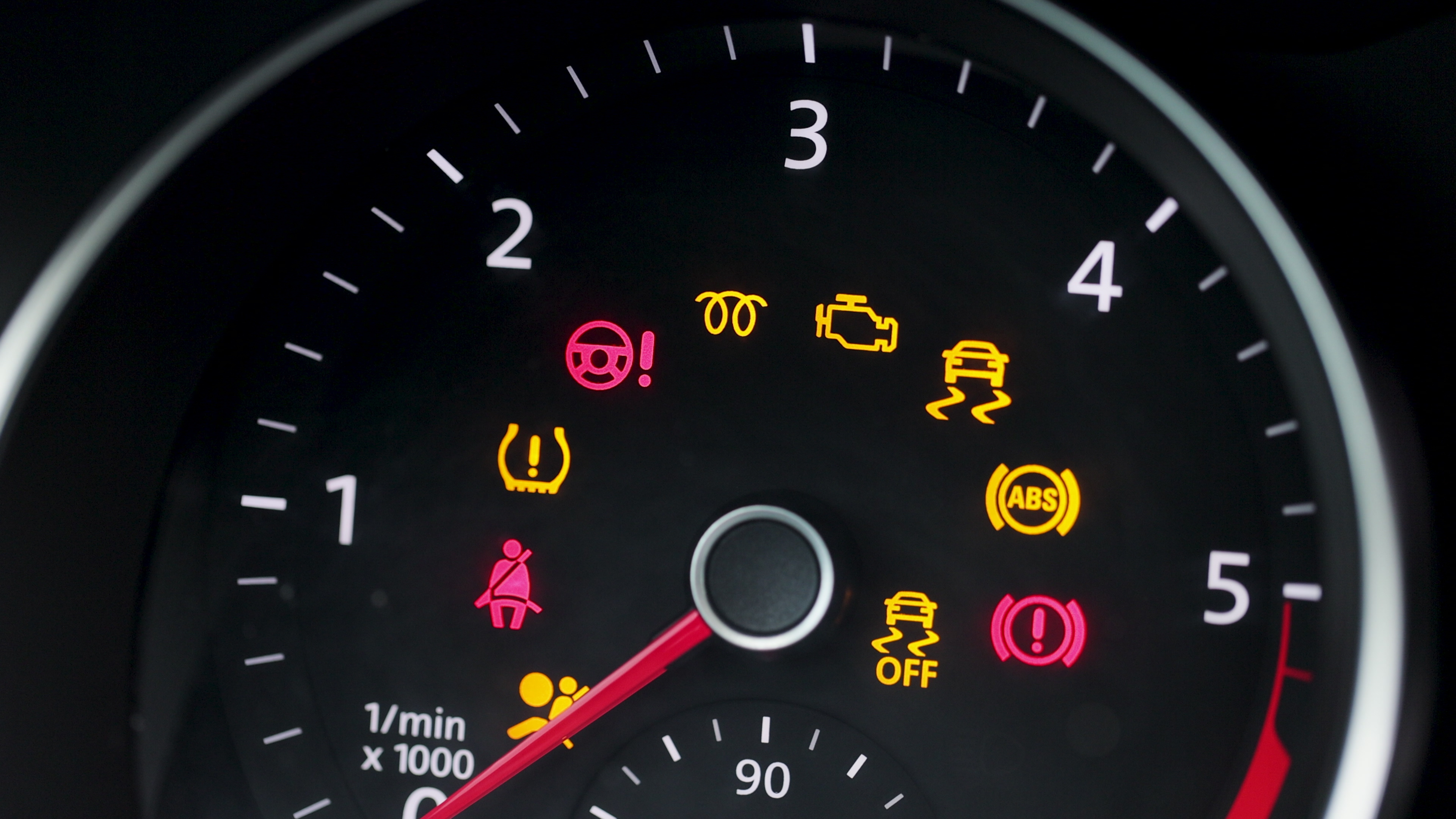
Certain warning signs during a test drive justify walking away entirely, including serious engine noises, excessive smoke, expensive transmission problems, and steering faults suggesting significant underlying damage. Recognising these clearly protects against a genuinely costly mistake.
The most common warning signs that justify walking away include:
- Serious Engine Knocking or Rattling: Persistent, significant engine noise often points toward expensive internal damage best avoided entirely.
- Heavy or Persistent Smoke: Smoke that continues throughout the drive, rather than a brief cold-start puff, suggests a serious ongoing problem.
- Transmission Slipping or Grinding: Transmission slipping or grinding point toward gearbox or clutch repairs that frequently cost thousands of pounds.
- Severe Steering Faults: Significant pulling, vibration, or knocking suggests damage that affects both cost and safety.
- Seller Reluctance or Evasiveness: A seller unwilling to answer direct questions or allow a proper test drive is itself a serious warning sign.
- Signs of Water Damage or Flood History: A musty smell, damp carpets, or water staining can indicate flood damage that's often deliberately concealed.
- Mismatched Paint or Panel Gaps: Inconsistent paintwork or uneven panel gaps can indicate undisclosed accident repair worth investigating further.
Recognising when to walk away protects buyers from sunk-cost thinking, where the time already invested in viewing a car creates pressure to proceed despite clear warning signs. Any one of these issues alone justifies stepping back and considering other options.
Should Unusual Engine Noises Concern You?
Unusual engine noises deserve significant concern, particularly knocking, grinding, or persistent rattling under load, since these often indicate expensive internal wear rather than a simple, inexpensive fix. The louder and more persistent the noise, the greater the cause for concern.
The most common reasons unusual engine noises warrant serious concern include:
- Often Indicates Internal Wear: Knocking sounds in particular frequently point toward worn internal components rather than external, easily fixed issues.
- Repairs Can Be Extremely Costly: Serious engine repairs can easily exceed the value of the car itself, making walking away the sensible choice.
- Noise Typically Worsens Over Time: Engine noises rarely improve without intervention and generally continue to deteriorate the longer they're left.
- Difficult to Diagnose Precisely Without Specialist Tools: Confirming the exact cause often requires professional diagnostic equipment beyond a simple test drive.
- Safety Implications in Severe Cases: In more serious cases, engine problems can lead to sudden, unexpected failure while driving.
Given the potential cost and complexity of engine repairs, any unusual noise heard during the test drive deserves serious weight in the final decision. Unlike many other faults covered in this guide, engine problems frequently represent a reason to walk away entirely rather than simply negotiate the price down.
Is Excessive Smoke a Deal Breaker?
Excessive smoke can reasonably be treated as a deal breaker, particularly persistent white or blue smoke, since these often point toward serious and expensive engine problems like a failing head gasket or worn piston rings. A brief cold-start puff differs considerably from smoke continuing throughout the drive.
The most common reasons excessive smoke justifies walking away include:
- White Smoke Suggests Head Gasket Failure: A head gasket repair frequently costs a significant sum and can sometimes indicate the engine is beyond economical repair.
- Blue Smoke Indicates Oil Burning: Persistent oil burning suggests worn internal components requiring a costly rebuild or replacement engine.
- Smoke Rarely Improves Without Major Repair: Unlike some other issues, smoke-related engine problems typically require significant intervention rather than a simple fix.
- Often Accompanied by Other Symptoms: Smoke frequently appears alongside reduced performance or unusual noises, compounding the overall concern.
- Repair Costs Can Exceed the Car's Value: In many cases, the cost of properly addressing persistent smoke exceeds what the car is genuinely worth.
Given how expensive and complex these repairs typically prove, persistent smoke represents one of the clearest cases where walking away makes more financial sense than attempting to negotiate a lower price. The underlying problem rarely justifies the risk, regardless of how appealing the rest of the car might seem.
Why Are Transmission Problems Expensive to Repair?
Transmission problems are expensive to repair because gearboxes and clutches involve complex, precision-engineered components that require specialist expertise and often significant labour time to properly diagnose and fix. A full transmission rebuild or replacement frequently costs thousands of pounds.
The most common reasons transmission repairs cost so much include:
- Complex, Precision Components: Gearboxes contain many precisely engineered parts that can't simply be patched or partially repaired.
- Significant Labour Time Required: Accessing and repairing transmission components typically takes many hours of skilled mechanical labour.
- Specialist Parts and Expertise Needed: Not every garage has the specific expertise or equipment needed for transmission repair work.
- Often Requires Full Replacement: Many transmission faults can only be properly resolved through a full rebuild or replacement unit.
- Can Affect Other Connected Components: Transmission problems sometimes cause knock-on wear to other connected drivetrain components.
Given these costs, any sign of transmission trouble during a test drive deserves particularly serious consideration before proceeding. Unlike some other repairs that might justify a price negotiation, transmission issues frequently represent a cost significant enough to make walking away the more sensible choice.
What Steering Issues Indicate Serious Faults?
Steering issues indicating serious faults include significant, persistent pulling, pronounced vibration at various speeds, and knocking sounds combined with vague or unpredictable steering feel. Symptoms combined like this suggest more than a simple alignment adjustment can resolve.
The most common steering issues suggesting serious underlying faults include:
- Severe, Persistent Pulling: Pulling so significant it requires constant, active correction suggests a more serious issue than routine alignment.
- Vibration Present Across a Wide Speed Range: Vibration that persists consistently, rather than at one specific speed, suggests a more significant underlying problem.
- Combined Knocking and Vague Steering Feel: Knocking and vague steering feel occurring together suggest multiple components have worn simultaneously.
- Steering Feeling Notably Heavy or Light Unexpectedly: A sudden change in steering weight can indicate a power steering system fault.
- Difficulty Maintaining a Straight Line: Genuine difficulty keeping the car straight, beyond simple pulling, suggests a more serious safety concern.
While a single mild symptom might justify further investigation rather than immediate rejection, a combination of these more serious signs strongly suggests walking away is the wiser choice. Steering problems carry genuine safety implications that shouldn't be underestimated or dismissed too readily.
When Is It Better Not to Buy the Vehicle?
It's better not to buy the vehicle when multiple serious warning signs appear together, when repair costs would likely exceed the car's value, or when the seller behaves evasively about the car's history or condition. Trusting this combined judgement protects against a costly mistake.
The most common situations where walking away makes the most sense include:
- Multiple Serious Faults Appearing Together: Several significant issues combined suggest a car that's been neglected rather than simply showing isolated wear.
- Repair Costs Approaching the Car's Value: When likely repair costs start approaching what the car is actually worth, walking away typically makes more financial sense.
- Seller Evasiveness or Inconsistent Answers: A seller unwilling to answer questions directly or giving inconsistent information raises serious trust concerns.
- Missing or Suspicious Documentation: Absent service history, an incomplete V5C, or reluctance to provide paperwork all justify significant caution.
- A Gut Feeling Something Isn't Right: Trusting genuine instinct, alongside the more concrete evidence gathered, remains a valid part of the decision.
Recognising these situations and acting on them, rather than talking yourself into a purchase despite clear warning signs, represents one of the most valuable skills a used car buyer can develop. Other cars always remain available, but a costly mistake avoided is worth far more than any single appealing listing.
Should You Arrange an Independent Mechanical Inspection?
Arranging an independent mechanical inspection is worthwhile for higher-value purchases, buyers less confident assessing cars themselves, and any vehicle where the test drive raised even minor concerns. A qualified mechanic can identify faults that a standard test drive might miss entirely.
The most common reasons an independent inspection matters include:
- Catches Issues Beyond a Standard Test Drive: Professional diagnostic equipment can reveal faults not detectable through driving and observation alone.
- Particularly Valuable for Higher-Value Cars: The relatively small inspection cost matters less as the overall purchase price and risk increase.
- Useful for Less Confident Buyers: Buyers less familiar with assessing mechanical condition benefit significantly from expert reassurance.
- Provides Independent, Unbiased Assessment: An inspection arranged independently of the seller offers a genuinely impartial opinion.
- Supports Stronger Price Negotiation: Any faults identified provide concrete, professional evidence to support a lower offer.
- Understand What the Inspection Covers: Confirming exactly which systems and components an inspection covers avoids assuming a broader check than what's actually included.
- Arrange the Inspection Promptly: Booking an inspection quickly once interest is confirmed reduces the risk of losing the car to another buyer.
The modest cost of an independent inspection, typically a small fraction of the car's overall price, offers considerable peace of mind for a purchase this significant. An inspection like this particularly suits buyers uncertain about their own ability to spot subtle mechanical issues during a test drive.
When Is a Professional Inspection Worthwhile?
A professional inspection is worthwhile for any used car representing a significant purchase, particularly higher-value vehicles, older cars with higher mileage, or any car where the test drive raised even minor doubts. The relatively small cost is easily justified against the risk being managed.
The most common situations where a professional inspection proves worthwhile include:
- Higher-Value Vehicle Purchases: The inspection cost becomes proportionally smaller, and therefore easier to justify, as the purchase price increases.
- Older or Higher-Mileage Cars: Older or higher-mileage vehicles carry a greater likelihood of developing issues, making professional verification particularly valuable.
- Test Drive Concerns Identified: Any doubt raised during the test drive itself justifies a more thorough professional follow-up assessment.
- Limited Personal Mechanical Knowledge: Buyers without strong mechanical confidence benefit significantly from an expert's more thorough assessment.
- Private Sales Without Dealer Protection: Private purchases lacking the legal protections of a dealership benefit especially from independent verification.
Weighing the inspection cost against the purchase price and the buyer's own confidence level provides a sensible way to decide whether this extra step is worthwhile for a specific car. For many buyers, particularly on a significant purchase, the reassurance alone justifies the modest expense involved.
Which Buyers Benefit Most From an Independent Inspection?
Buyers benefiting most from an independent inspection include those purchasing a higher-value car, those with limited mechanical knowledge, and anyone buying privately without the legal protections a dealership purchase provides. Buyers in these groups face the greatest risk from an undetected fault.
The most common buyer groups who benefit most from an independent inspection include:
- First-Time Used Car Buyers: Limited prior experience assessing cars makes professional reassurance particularly valuable for this group.
- Buyers Purchasing Privately: Without dealership consumer protections, private buyers carry more personal risk if a fault later emerges.
- Buyers Considering an Unusually Cheap Car: A price significantly below market value sometimes reflects an underlying issue worth professionally verifying.
- Buyers Planning Long-Term Ownership: Those intending to keep the car for many years benefit from confirming its condition thoroughly upfront.
- Buyers Less Confident During the Test Drive: Anyone unsure whether they correctly assessed the car during their own test drive benefits from expert confirmation.
Recognising which of these groups you personally fall into helps clarify whether the extra step and cost of an independent inspection genuinely makes sense for your specific situation. For many buyers matching one or more of these descriptions, the inspection proves well worth the modest additional expense.
Can a Mechanic Identify Faults You Might Miss?
A mechanic can identify faults you might miss, using diagnostic equipment, specialist knowledge, and a trained eye to spot issues that wouldn't reveal themselves during a standard test drive. Problems with components not easily assessed without lifting the car or connecting diagnostic tools fall into this category.
The most common faults a mechanic can identify that buyers typically miss include:
- Diagnostic Fault Codes: Connecting diagnostic equipment can reveal stored fault codes not otherwise visible through a standard test drive.
- Underbody and Structural Condition: Lifting the car allows inspection of the underbody, chassis, and structural components inaccessible during normal viewing.
- Early-Stage Component Wear: A trained eye can often spot developing wear in components before it becomes noticeable during regular driving.
- Evidence of Previous Repairs: Mechanics can often identify signs of previous accident repair work not obvious to an untrained buyer.
- Fluid Condition and Levels: A thorough check of all fluids can reveal issues not apparent from a simple visual glance under the bonnet.
This deeper level of assessment goes considerably beyond what any buyer, however careful, can typically achieve during a standard test drive and inspection. For a purchase of this significance, the additional confidence a professional mechanic's assessment provides frequently proves well worth the modest cost involved.
How Does a Test Drive Fit Into the Complete Buying Process?
A test drive forms one part of a complete buying process that also includes a physical inspection, a vehicle history check, and a thorough review of the documentation. Combining all four steps together offers far stronger protection than relying on any single check alone.
The most common steps that combine with a test drive in the full buying process include:
- Physical Inspection First: Checking bodywork, interior, and mechanical condition before driving establishes a baseline understanding of the car.
- Vehicle History Check: Confirming finance, write-off, and mileage status protects against risks a test drive alone can never reveal.
- Document Review: Checking the V5C, service history, and MOT certificates confirms the paperwork matches the physical car.
- The Test Drive Itself: Driving the car confirms real-world mechanical performance beyond what inspection and paperwork can show.
- A Final, Informed Decision: Bringing all four steps together supports a confident, evidence-based final decision rather than relying on a single impression.
- Keep Records From Each Step: Keeping notes and documents from inspection, history checks, and the test drive together supports a well-informed final decision.
- Allow Time Between Steps if Needed: Taking a short break between inspection and test drive helps process initial impressions before forming a final judgement.
No single step in this process fully replaces any of the others, since each one protects against a different category of risk. A car passing every check individually, rather than excelling in just one area, gives buyers the strongest possible confidence before completing a purchase.
Why Should You Inspect the Vehicle Before Driving It?
Inspecting the vehicle before driving it establishes a baseline understanding of its cosmetic and mechanical condition, helping you interpret what you experience during the test drive with much greater context. Skipping it means driving without knowing what to look out for.
The most common reasons inspecting before driving matters include:
- Establishes a Condition Baseline: A pre-drive inspection confirms the starting point against which any test drive observations can be compared.
- Identifies Areas Needing Closer Attention: Spotting a potential issue during inspection helps focus attention on that specific area during the drive.
- Confirms Consistency With the Listing: Checking the car against its advertised description before driving confirms nothing has been misrepresented.
- Reduces Wasted Time: Identifying a serious problem during inspection can avoid wasting time on a test drive for a car unlikely to proceed further.
- Builds a Complete Picture Together: Inspection and test drive findings combine to form a far more complete assessment than either alone.
(See our related guide, What to Look for When Buying a Used Car, for a full inspection checklist.)
Approaching the test drive with a clear picture already formed from a careful inspection makes the whole process considerably more productive. Rather than starting from scratch once behind the wheel, buyers can specifically confirm or investigate concerns already noted beforehand.
Why Should You Complete a Vehicle History Check First?
Completing a vehicle history check first protects against risks a test drive can never reveal, including outstanding finance, a hidden write-off record, or a stolen marker. Running this check before arranging a viewing also saves time on cars carrying a serious, disqualifying issue.
The most common reasons a vehicle history check comes first include:
- Reveals Risks Invisible to a Test Drive: Finance, write-off, and theft status can't be detected through driving or visual inspection alone.
- Saves Time on Problematic Listings: A quick check before arranging a viewing can rule out cars carrying a serious, disqualifying issue.
- Confirms Genuine Mileage: Cross-referencing mileage against official records protects against a clocked odometer misleading the test drive impression.
- Costs Little Relative to the Risk Avoided: A modest history check fee protects against risks that otherwise cost thousands of pounds.
- Supports Informed Test Drive Questions: Knowing a car's history in advance helps frame more targeted questions during the viewing itself.
(See our related guide, How to Check a Used Car's History Before Buying, for the full process.)
Running a history check before ever arranging a test drive protects against wasting time on a car that's disqualified from purchase for reasons entirely unrelated to how it drives. A simple, inexpensive step like this always belongs early in the overall buying process.
Why Should You Review the Documents Before Agreeing to Buy?

Reviewing the documents before agreeing to buy confirms the V5C, service history, and MOT certificates all match the physical car and support what you experienced during the test drive. Skipping this step risks discovering a mismatch only after the sale has already completed.
The most common reasons document review matters before finalising a purchase include:
- Confirms Ownership and Identity: The V5C confirms legal ownership and that the VIN matches the physical car in front of you.
- Verifies Maintenance Claims: Service history documentation confirms whether claims made about the car's upkeep genuinely hold up.
- Cross-Checks Mileage Consistency: MOT certificates provide an independently recorded mileage history to compare against the test drive impression.
- Protects Against Future Disputes: Thorough document review at this stage reduces the risk of disagreements arising after the sale completes.
- Completes the Overall Buying Picture: Documentation review ties together everything learned through inspection, history check, and test drive.
(See our related guide, Documents to Check Before Buying a Used Car, for a complete list.)
Leaving document review until after agreeing to buy risks discovering a serious mismatch only once it's considerably harder to walk away. Completing this final check before finalising the purchase closes out the buying process with genuine, evidence-based confidence.
What Are the Most Common Test Drive Mistakes Buyers Make?
The most common test drive mistakes include driving around the block only briefly, rushing the whole process, listening to the radio throughout, ignoring small vibrations or noises, and failing to test every major feature. Avoiding these mistakes considerably improves the quality of the assessment.
The most common test drive mistakes to avoid include:
- Driving Around the Block Only: A brief, familiar loop rarely covers enough varied conditions to reveal genuine mechanical issues.
- Rushing the Whole Process: Hurrying through the test drive risks missing problems that only reveal themselves with more sustained driving.
- Listening to the Radio Throughout: Background music or talk radio makes it considerably harder to notice unusual engine or mechanical noises.
- Ignoring Small Vibrations or Noises: Dismissing minor symptoms as unimportant often means missing an early warning sign of a developing fault.
- Failing to Test Every Major Feature: Skipping checks on air conditioning, infotainment, or electric windows risks missing a costly hidden fault.
- Letting Emotional Attachment Cloud Judgement: Falling for a car's appearance can make buyers overlook problems a more detached assessment would have caught.
- Not Asking Enough Questions During the Drive: Staying silent throughout the drive wastes a valuable opportunity to clarify concerns directly with the seller.
Recognising these common mistakes in advance helps buyers approach their own test drive far more carefully and productively. A methodical, unhurried approach, free from distraction, consistently reveals far more about a used car's true condition than a rushed, casual drive around familiar streets.
Is Driving Around the Block Enough?
Driving around the block isn't enough, since this brief, familiar loop rarely includes the varied speeds, road surfaces, and driving conditions needed to reveal genuine mechanical issues. A proper test drive requires a more deliberately varied route covering at least fifteen to twenty minutes.
The most common reasons a brief loop around the block falls short include:
- Too Short to Reveal Developing Issues: Certain problems, like a gearbox struggling once warm, only appear after more sustained driving.
- Lacks Varied Road Conditions: A familiar local loop rarely includes the mix of urban, faster, and uneven roads needed for a thorough assessment.
- Insufficient Time at Higher Speeds: Many faults, including steering pull and vibration, become far more obvious at speeds a quick local loop doesn't reach.
- Doesn't Allow the Engine to Fully Warm: Some issues only appear once the engine has properly warmed through, which a brief drive doesn't achieve.
- Limits Confidence in the Final Decision: A rushed, brief test drive leaves buyers with considerably less genuine evidence to base their decision on.
Investing the extra time for a properly varied, fifteen-to-twenty-minute test drive, rather than settling for a brief local loop, considerably improves the chances of catching a genuine issue before committing to purchase. That small extra investment of time offers outsized protection against a costly mistake.
Why Should You Avoid Rushing the Test Drive?
Rushing the test drive risks missing developing faults that only reveal themselves with sustained driving, reduces the number of road types and conditions covered, and leaves less time to properly assess comfort and technology features. A relaxed, unhurried pace consistently produces a far more useful assessment.
The most common reasons rushing undermines a test drive include:
- Misses Gradually Developing Symptoms: Some issues, like a gearbox that worsens once warm, only become apparent after more time driving.
- Reduces Coverage of Varied Conditions: A rushed drive typically sticks to a single, familiar road type rather than testing genuinely varied conditions.
- Limits Time for Feature Testing: Rushing leaves little opportunity to thoroughly test air conditioning, infotainment, and other interior features.
- Increases Pressure to Decide Quickly: A rushed test drive can create unnecessary pressure to make a snap decision without proper reflection.
- Reduces Overall Confidence in Findings: A hurried assessment naturally leaves buyers less certain about their own conclusions afterward.
Allowing a genuinely unhurried fifteen to twenty minutes, rather than treating the test drive as a formality to get through quickly, transforms it from a token gesture into a genuinely valuable part of the buying process. Sellers with a sound car to offer have little reason to object to this reasonable request for time.
Why Is Listening to the Radio During the Test Drive a Mistake?
Listening to the radio during the test drive is a mistake because background music or talk radio makes it considerably harder to notice unusual engine, gearbox, or suspension noises that often provide the earliest warning of a developing fault. Silence allows full attention on the car itself.
The most common reasons background noise undermines a test drive include:
- Masks Subtle Mechanical Noises: Quiet knocks, whines, or rattles can easily go unnoticed against background music or conversation.
- Reduces Focus on the Car Itself: Any distraction, including the radio, pulls attention away from carefully assessing the vehicle's performance.
- Makes Noise Location Harder to Judge: Identifying exactly where a noise comes from becomes considerably harder with competing background sound.
- Removes a Valuable Diagnostic Tool: Sound represents one of the most useful clues available during a test drive, one that background noise directly compromises.
- Signals a Less Thorough Approach Overall: Treating the drive casually, radio on, often reflects a broader lack of careful attention throughout.
Turning the radio off for the entirety of the test drive costs nothing and considerably improves the chances of noticing a subtle but important warning sign. A small, simple step like this remains one of the easiest ways to get more genuine value from the time spent driving.
Should You Ignore Small Vibrations or Noises?
Small vibrations or noises shouldn't be ignored, since they frequently represent the earliest, most affordable stage of a developing fault, one that becomes considerably more expensive if left unaddressed. Dismissing these signs as unimportant risks inheriting a costly problem shortly after purchase.
The most common reasons small vibrations or noises deserve attention include:
- Often Represent Early-Stage Faults: Minor symptoms frequently indicate a problem in its earliest, most affordable stage of development.
- Tend to Worsen Without Intervention: Small issues rarely resolve on their own and generally continue to develop into a larger, costlier problem.
- Provide Valuable Negotiation Evidence: Identifying even minor issues gives buyers legitimate grounds to negotiate a fairer purchase price.
- Can Indicate a Wider Pattern: Several small issues appearing together often suggest a car that's been generally under-maintained.
- Easy to Overlook if Not Actively Sought: Minor symptoms require deliberate attention, since they're easy to dismiss if not specifically watched for.
Taking every small vibration or noise seriously, rather than assuming it's insignificant, reflects exactly the kind of careful attention that protects buyers from an expensive mistake. What seems like a minor quirk during the test drive can easily become a genuine, costly repair within just a few months of ownership.
Why Should You Test Every Major Feature?
Testing every major feature matters because modern used cars include numerous electrical and technology systems, any of which can carry a costly fault that wouldn't otherwise reveal itself during basic driving alone. Skipping these checks risks inheriting an expensive repair shortly after purchase.
The most common reasons testing every major feature matters include:
- Modern Cars Include Extensive Technology: Air conditioning, infotainment, and safety systems all represent potential points of costly failure.
- Faults Don't Reveal Themselves Automatically: A faulty feature often stays silent until specifically tested, rather than announcing itself during driving.
- Repairs Can Prove Surprisingly Expensive: Electrical and technology repairs frequently cost more than buyers initially expect, particularly on complex systems.
- Provides Complete Buying Confidence: Testing every feature thoroughly leaves considerably less room for an unwelcome surprise after purchase.
- Offers Additional Negotiation Leverage: Any fault identified through feature testing provides legitimate grounds for negotiating the price.
Methodically working through every window, control, and system during the test drive, rather than assuming they all function correctly, takes only a few extra minutes but protects against inheriting a genuinely costly hidden fault. Thoroughness like this consistently pays for itself many times over.
What Should a First-Time UK Driver Check During a Used Car Test Drive?
A first-time UK driver, having recently passed their test, focuses on basic safety checks, comfort, and confirming the car doesn't reveal any obvious mechanical problems, without needing to judge every subtle handling nuance an experienced buyer might notice. Keeping the process simple and methodical matters far more than trying to assess everything at once.
The most common priorities for a first-time driver's used car test drive include:
- Basic Safety Checks First: Confirming the brakes, steering, and warning lights all work correctly matters more than any other single check.
- Comfort and Confidence Behind the Wheel: The seating position, mirrors, and controls feel natural, since driving confidence matters as much as the car's condition.
- Bringing Someone More Experienced Along: A parent, friend, or family member with more driving or mechanical experience can help spot things a new driver might miss.
- Sticking to Familiar, Simple Roads: Testing on roads similar to those used for driving lessons keeps the focus on the car rather than an unfamiliar route.
- Listening More Than Judging Handling: Unusual noises are often easier for a new driver to notice than subtle handling faults, so listening carefully pays off.
- Asking the Seller Simple, Direct Questions: Straightforward questions about the car's history and any known issues are just as valuable as a technical assessment.
- Not Feeling Pressured to Decide Immediately: Taking time to think it over afterward matters more than trying to make a confident snap decision on the day.
Approaching a first used car test drive doesn't require the same depth of technical knowledge as an experienced buyer might bring. Focusing on the basics, staying calm, and asking for help where needed puts a new driver in a strong position without needing to master every mechanical detail covered elsewhere in this guide.
What Should a New Driver Prioritise Checking During the Test Drive?
A new driver prioritises checking that the brakes respond properly, the car starts easily, warning lights behave correctly, and the seating position feels comfortable and adjustable. Getting these basics right matters more at this stage than assessing subtle handling characteristics.
The most common priorities for a new driver to check first include:
- Brakes Responding Properly: The car stops smoothly and predictably, since braking confidence matters enormously for a newly qualified driver.
- Easy, Reliable Starting: The engine starting promptly each time reassures a new driver the car is dependable for daily use.
- Dashboard Warning Lights Behaving Correctly: Lights illuminating briefly then clearing confirms the car's basic systems are functioning as expected.
- A Comfortable, Adjustable Driving Position: Getting the seat, mirrors, and steering wheel set up properly supports safer, more confident driving from day one.
- Straightforward Gear Changes: Smooth, simple gear engagement, particularly on a manual car, matters considerably while still building overall driving confidence.
Focusing on these fundamentals gives a new driver a clear, manageable checklist rather than an overwhelming list of technical details. Building confidence with these basics first makes it easier to develop a more experienced eye for subtler issues over time.
Which Mistakes Do First-Time Drivers Most Commonly Make?
First-time drivers most commonly make the mistake of test driving alone without support, feeling too embarrassed to ask questions, rushing the decision under pressure, and focusing entirely on the car's appearance rather than its condition. Avoiding these mistakes protects against an avoidable, costly error.
The most common mistakes first-time drivers make during a test drive include:
- Test Driving Without Any Support: Going alone without a more experienced driver or mechanic means missing a valuable second opinion.
- Feeling Too Embarrassed to Ask Questions: New drivers sometimes avoid asking basic questions out of worry they'll seem inexperienced, missing valuable information.
- Rushing the Decision Under Pressure: A confident-sounding seller can create pressure to decide quickly, before a new driver has had time to properly reflect.
- Focusing Only on Appearance: A clean, tidy car can distract from checking whether it actually drives and performs properly.
- Not Trusting Their Own Instincts: Dismissing a genuine feeling that something isn't right, simply due to inexperience, can lead to overlooking a real problem.
Recognising these common mistakes in advance helps a first-time driver approach their test drive with far more confidence and clarity. Bringing support, asking questions freely, and taking the time needed to decide properly all protect against exactly the kind of pressure that leads to a regretted purchase.
What Are the Most Frequently Asked Questions About Test Driving a Used Car?
This section answers the most common questions UK buyers ask about test driving a used car before purchase.
The most common questions covered in this section include:
- Test Drive Duration: How long a used car test drive genuinely needs to last.
- Insurance Requirements: Whether insurance is needed to test drive a used car.
- Multiple Car Comparisons: Whether test driving more than one car makes sense.
- Seller Refusal Situations: What to do if a seller won't allow a test drive at all.
- Bringing a Mechanic: Whether taking a mechanic along for the test drive is reasonable.
- Motorway Testing: Whether testing the car on a motorway is worthwhile.
- Post-Drive Negotiation: Whether the price can still be negotiated after the test drive.
Working through these questions addresses most of the practical uncertainty buyers have before arranging their own test drive.
How Long Should a Used Car Test Drive Be?
A used car test drive lasts at least fifteen to twenty minutes, covering varied road types and speeds, rather than a brief loop around the block. Longer test drives of thirty minutes or more provide an even more complete picture where time and circumstances allow.
The most common factors determining test drive length include:
- Minimum Fifteen to Twenty Minutes: That duration allows enough time to properly assess the engine, gearbox, steering, and brakes together.
- Varied Conditions Matter More Than Time Alone: Covering different road types often matters as much as the total minutes spent driving.
- Longer Drives Reveal More Gradual Issues: Extended driving can expose problems, like a gearbox struggling once warm, that a shorter test might miss.
- Balance Against Seller Availability: A reasonable request for time still respects the seller's own schedule and availability.
- Quality of Attention Matters as Much as Duration: A focused fifteen minutes often reveals more than a distracted thirty-minute drive.
Aiming for at least fifteen to twenty minutes of properly varied, focused driving offers the strongest balance between thoroughness and practicality for most used car purchases.
Can I Test Drive a Used Car Without Insurance?
You typically need insurance cover to test drive a used car, whether through your own policy extending to driving other vehicles, the seller's insurance, or a dedicated temporary cover option arranged specifically for the test drive. Confirming this in advance avoids a wasted trip.
The most common insurance options for a used car test drive include:
- Driving Other Cars Cover: Some comprehensive personal policies include limited cover for driving other vehicles with the owner's permission.
- Seller's or Dealer's Insurance: Many dealers include insurance covering test drives as standard, and some private sellers may too.
- Temporary Short-Term Cover: Dedicated short-term insurance policies can be arranged specifically for a single test drive if needed.
- Confirming Cover Before Arriving: Checking exactly what cover applies before the appointment avoids any awkward last-minute confusion.
- Dealership Policies Typically Included: Dealerships almost always have their own insurance arrangements covering test drives on their forecourt.
Confirming insurance arrangements before setting off for a viewing takes just a phone call but avoids the disappointment of arriving only to discover a test drive isn't possible without valid cover in place.
Should I Test Drive More Than One Car?
Test driving more than one car is genuinely worthwhile, since direct comparison between similar vehicles often reveals differences in condition, feel, and performance that a single test drive alone wouldn't highlight. Combining these steps also supports a more confident final decision.
The most common reasons testing multiple cars matters include:
- Provides Genuine Comparison: Driving more than one similar car highlights differences in condition that a single test drive can't reveal alone.
- Establishes a Useful Baseline: Testing a second car helps confirm whether a particular feeling or noise is normal or genuinely unusual.
- Reduces Pressure to Decide Immediately: Having other options considered reduces the pressure to commit to the very first car tested.
- Improves Overall Buying Confidence: A decision made after comparing several options typically feels more confident than one made in isolation.
- Helps Refine Personal Preferences: Testing multiple cars often helps clarify exactly what matters most personally in the eventual choice.
Testing at least two or three comparable cars before making a final decision consistently produces a more confident, better-informed outcome than committing to the very first car viewed.
What Should I Do if the Seller Refuses a Test Drive?
If a seller refuses a test drive, treat this as a serious warning sign and consider walking away entirely, since a genuine seller has little reason to prevent a reasonable, standard part of the buying process. A refusal like this often points toward something the seller would rather a buyer didn't discover.
The most common reasons to be cautious of a refused test drive include:
- No Legitimate Reason to Refuse: A genuine seller has little reason to prevent a standard, reasonable part of any car purchase.
- Often Suggests Something to Hide: Refusal frequently points toward an issue the seller would rather a buyer didn't discover firsthand.
- Removes a Critical Layer of Protection: Without a test drive, buyers lose access to some of the most valuable information available before purchase.
- Inconsistent With Standard Buying Practice: Reputable dealers and honest private sellers almost universally allow test drives as standard practice.
- Best Addressed by Walking Away: Given the risk involved, politely declining to proceed further usually represents the sensible choice.
A seller refusing a test drive outright deserves real caution rather than acceptance as a minor inconvenience. A single red flag like this alone justifies looking elsewhere for a car with a seller more willing to support a proper, thorough buying process.
Can I Take a Mechanic With Me?
Yes, taking a mechanic with you for a test drive is entirely reasonable and can add valuable expert insight, particularly for buyers less confident assessing mechanical condition themselves. Most sellers have no objection to this request, provided it's arranged in advance.
The most common benefits of bringing a mechanic along include:
- Expert Real-Time Assessment: A mechanic can identify subtle issues during the drive that an untrained buyer might easily miss.
- Immediate Feedback During the Drive: Having expert opinion available on the spot, rather than after the fact, supports a more informed decision immediately.
- Reduces Reliance on a Separate Inspection: Combining the test drive with expert assessment can sometimes reduce the need for a fully separate inspection appointment.
- Provides Additional Buyer Confidence: Having a knowledgeable second opinion present offers valuable reassurance throughout the process.
- Generally Well-Received by Sellers: Most sellers have no issue with this reasonable request, provided it's mentioned when arranging the appointment.
Arranging for a trusted mechanic, friend, or family member with genuine mechanical knowledge to join the test drive adds a valuable extra layer of expertise at no significant cost, particularly useful for buyers without strong confidence in their own assessment abilities.
Should I Test Drive the Car on a Motorway?

Testing the car on a motorway is worthwhile where practically possible, since sustained higher speeds reveal stability, wind noise, and steering pull that lower-speed driving alone often doesn't expose. A motorway stretch isn't always achievable depending on the seller's location, but it adds real value when available.
The most common reasons motorway testing adds value include:
- Reveals High-Speed Stability Issues: Wandering or feeling unsettled at speed often only becomes apparent during genuine motorway driving.
- Tests Overtaking Acceleration: Motorway conditions allow a realistic test of the car's ability to accelerate confidently for overtaking.
- Exposes Wind and Road Noise Levels: Cabin insulation and overall refinement become far more apparent at sustained higher speeds.
- Confirms Cruise Control Function: Where fitted, cruise control and other motorway-specific features can only be properly tested at appropriate speed.
- Not Always Practically Available: Depending on the seller's location, a genuine motorway stretch may not be realistically reachable within the test drive.
Including a motorway stretch where practically possible adds a valuable extra dimension to the overall test drive assessment. Where it isn't feasible, covering the fastest available road type still offers useful, if slightly less complete, insight into the car's higher-speed behaviour.
Can I Negotiate the Price After the Test Drive?
Yes, you can negotiate the price after the test drive, and doing so based on specific findings, whether cosmetic, mechanical, or related to service history, often proves more effective than negotiating before you've actually driven the car. Concrete evidence supports a stronger, more confident negotiation.
The most common ways test drive findings support negotiation include:
- Provides Concrete Negotiation Evidence: Specific issues identified during the drive give genuine, factual grounds for requesting a lower price.
- Strengthens the Buyer's Position: Arriving with evidence from a thorough test drive puts buyers in a stronger position than vague concerns alone.
- Covers Repair Costs Realistically: Identified issues can be weighed against likely repair costs to arrive at a fair, justified price reduction.
- Works Well Combined With History Check Findings: Test drive observations alongside history check results together build a compelling overall case.
- Remains Reasonable Even After Initial Agreement: Raising a genuine concern after the test drive, even after initially agreeing a price, remains entirely reasonable.
Using specific, factual observations from the test drive as the basis for negotiation consistently proves more effective than a vague request for a lower price. Sellers generally respond more constructively to concrete, identifiable concerns than to general haggling alone.
Why Should You Buy Your Next Used Car from Car-Planet.co.uk?

Car Planet ensures every vehicle is genuinely ready for a confident test drive through thorough pre-sale quality checks, transparent documentation, and a straightforward buying process. Preparation like this removes much of the uncertainty typically associated with test driving a used car.
The most common reasons to buy your next used car from Car-Planet.co.uk include:
- Vehicles Prepared for Confident Testing: Every car undergoes thorough checks before listing, ensuring it's genuinely ready for a meaningful test drive.
- Transparent Documentation Provided: Buyers see full service history and vehicle details upfront, supporting a more informed test drive experience.
- Consistent Quality Checks Applied: Every vehicle meets the same verified standard before ever reaching a customer for viewing.
- Straightforward Buying Process Throughout: Clear information and support simplify every stage, from initial browsing through to the test drive itself.
- Support Available During and After Testing: Assistance remains on hand throughout the test drive process and beyond, into the completed purchase.
- Confidence Without Unnecessary Uncertainty: Buyers can focus their test drive on genuine assessment, rather than worrying about undisclosed issues.
- A Simpler Way to Buy Used With Confidence: The whole process removes much of the guesswork buyers typically manage alone during a private purchase.
Approaching a test drive with a car already verified and prepared changes the entire experience for the better. Rather than driving with underlying uncertainty about hidden problems, buyers can focus entirely on confirming the car suits them personally.
How Does Car-Planet.co.uk Ensure Vehicles Are Ready for a Confident Test Drive?
Car-Planet.co.uk ensures vehicles are ready for a confident test drive by completing thorough mechanical and safety checks before any car is listed for sale. Preparation like this confirms the vehicle is genuinely safe and ready to demonstrate properly to a prospective buyer.
The most common ways Car-Planet.co.uk prepares vehicles for test driving include:
- Pre-Sale Mechanical Verification: Every vehicle's key mechanical systems are checked before it's ever offered for a test drive.
- Safety System Confirmation: Brakes, steering, and other safety-critical systems are verified as functioning correctly before listing.
- Fluid and Component Checks Completed: Essential fluids and wear components are checked and topped up or addressed where needed.
- Documentation Prepared in Advance: Service history and vehicle details are organised and ready to review alongside the test drive itself.
- Consistent Preparation Standard Applied: Every vehicle receives the same thorough preparation, regardless of price point or specification.
This upfront preparation means buyers arrive for their test drive with a car that's already been through a genuine verification process, rather than an unknown quantity. That foundation supports a far more productive, confidence-building test drive experience.
Conclusion
A thorough test drive remains the single best way to confirm a used car is genuinely as good as it looks, covering the engine, gearbox, steering, brakes, and suspension in ways no listing or photo ever manages.
Combined with a proper inspection and a full history check, it closes off nearly every risk a used car buyer faces, leaving very little to chance. Skipping it, rushing it, or ignoring a small noise along the way is exactly how buyers end up with an expensive surprise weeks after purchase.
Take the full fifteen to twenty minutes, cover a genuine mix of roads, and trust what you notice — it's the difference between buying with confidence and buying on hope.