



Introduction
Ask a used car seller these 10 questions before you pay: why they're selling, the mileage, the service history, tyre and brake condition, upcoming maintenance, a vehicle history check, an independent inspection, a proper test drive, all the paperwork and the warranty. A genuine seller answers all ten without hesitation. Vague or missing answers are your signal to walk away.
The 10 questions at a glance:
- Why are you selling the car?
- What's the current mileage and does it match the records?
- What's the service history like?
- Have the tyres or brakes been replaced recently?
- Is any major maintenance due soon?
- Can I see a vehicle history check?
- Can I have the car independently inspected?
- Can I take it for a proper test drive?
- Can I see all the paperwork?
- What warranty is available?
Below is what each answer actually tells you and what to do when it doesn't add up.
1. Why Are You Selling the Car?
Most reasons are entirely ordinary: upgrading, a change in circumstances or simply needing the money. The reason itself rarely says much about the car. What matters is whether the seller answers quickly and consistently or the story shifts slightly each time you ask. A dealer should be able to tell you how the car came to them too, whether that's bought from a private seller, taken in part-exchange or sourced at auction. None of these routes are a problem on their own. A vague or evasive answer is the actual warning sign.
2. What's the Current Mileage and Does It Match the Records?
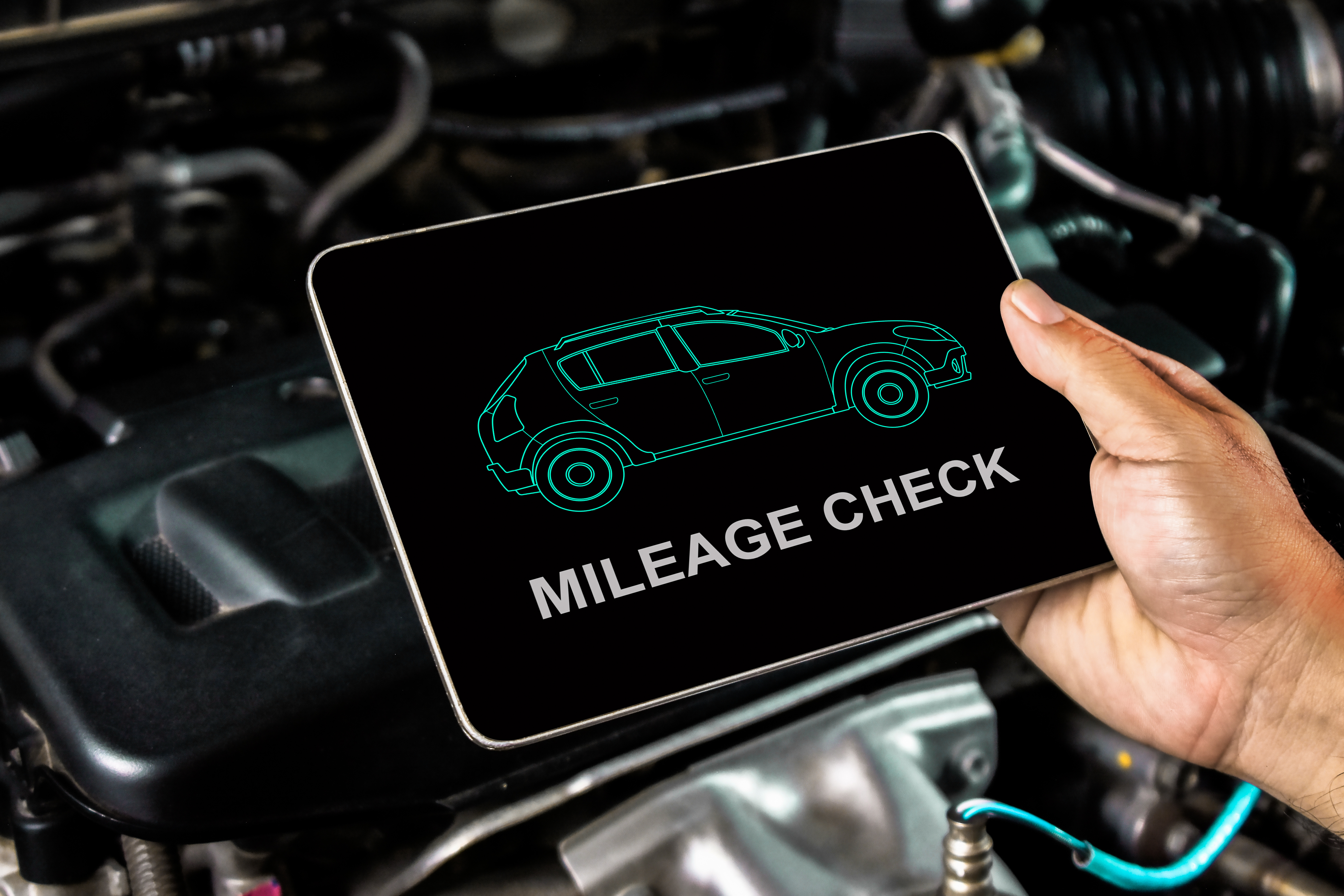
Mileage affects price directly. That's exactly why odometers occasionally get wound back. It's harder to fake on newer cars with digital dashboards. Always ask the figure directly and check it against the free MOT history checker on GOV.UK. Every test logs the mileage at the time. A drop between records is one of the clearest signs of tampering.
Here's the part most buyers get backwards: a higher-mileage car with a full service history can be a safer buy than a low-mileage one that's sat unused for years. Seals dry out, fluids degrade and batteries weaken with age regardless of miles driven. A well-serviced 70,000-mile car is often in better mechanical shape than a neglected 20,000-mile one that's spent most of its life parked.
3. What's the Service History Like?
Ask whether they've owned the car from new. If not, ask whether they know anything about the previous keeper. Ask which garage did the servicing. A complete, stamped dealer history is ideal. It isn't the only trustworthy answer. A car serviced consistently at a good independent garage with proper invoices to show for it tells you just as much. What should give you pause isn't a gap explained honestly. It's no paperwork at all and a seller who insists "it's always been serviced" with nothing to back it up.
4. Have the Tyres or Brakes Been Replaced Recently?
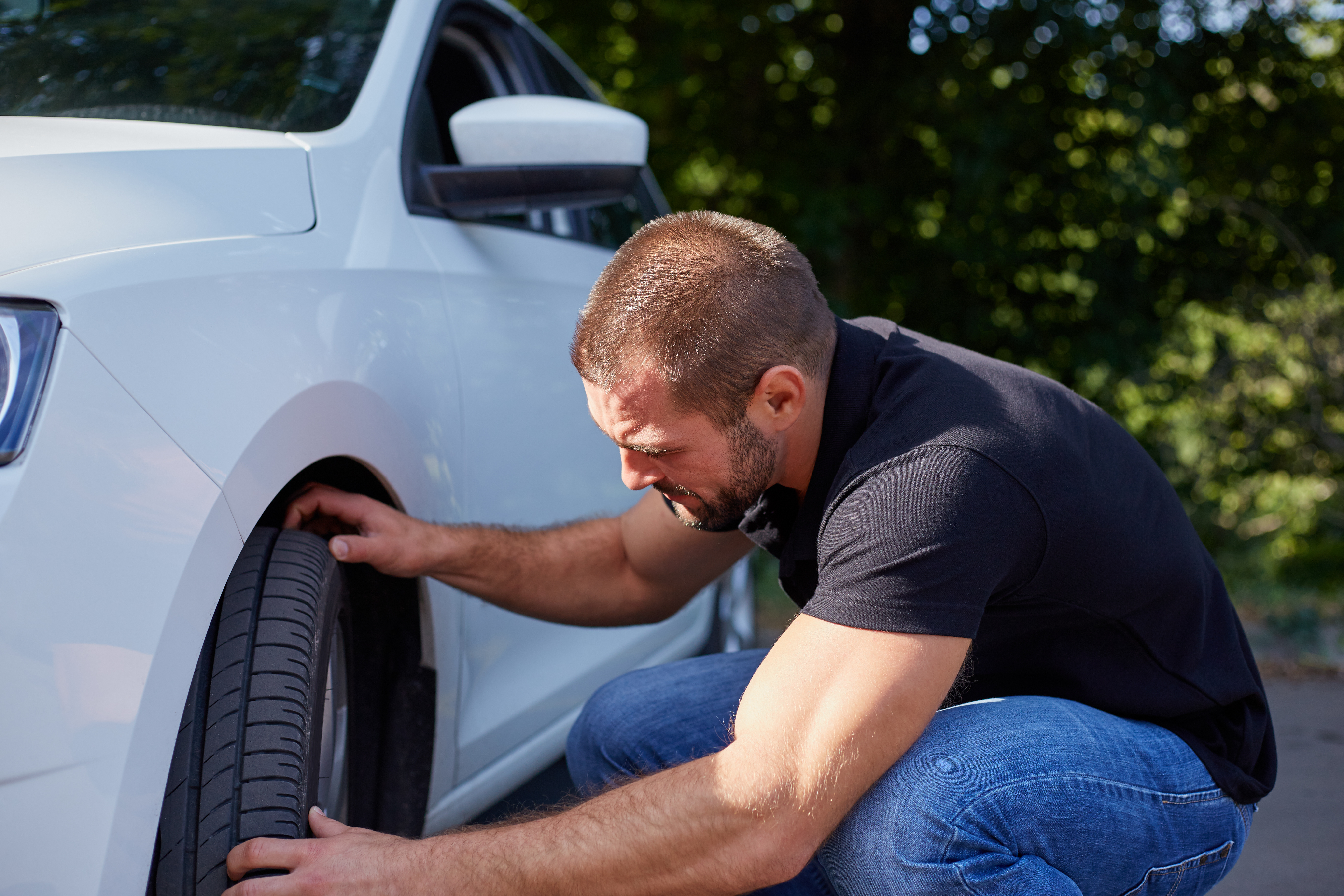
These wear out faster than most owners think about and they're cheap to overlook and expensive to ignore. Check tread depth and look for mismatched tyre brands across the car. Mismatched brands can affect handling more than people expect. On the test drive, listen for any metal-on-metal scraping when braking and feel for a wobble through the steering wheel. Both point to a car that hasn't been kept on top of and often hint at wider neglect elsewhere too.
At Car Planet, we often see buyers assume one previous owner automatically means a better car. In reality, a well-maintained vehicle with three careful owners can be a far safer purchase than a neglected one-owner example. The number of owners tells you far less than what each of them actually did with it.
5. Is Any Major Maintenance Due Soon?
Ask directly what's coming up. It tells you what you're about to spend and gives you something concrete to negotiate on. If it's belt-driven rather than chain-driven, ask when the cambelt was last changed: a missed cambelt is one of the most expensive mistakes a previous owner can make. It usually means other maintenance was skipped too. On an automatic, ask about gearbox fluid changes. On a manual, a shaky start or a clutch that bites unusually high both suggest it's wearing out.
6. Can I See a Vehicle History Check?
A history check (sometimes still called an "HPI check," though HPI is just one provider among several) confirms whether the car's been reported stolen, written off or still has finance attached, none of which show up from a test drive or a look under the bonnet. Many dealers run this automatically before a car is ever listed. It's inexpensive enough that running your own independent check alongside it does no harm.
See How to Check a Used Car's History Before Buying for the full process.
7. Can I Have the Car Independently Inspected?
If you're not confident assessing a car's condition yourself, a paid inspection from a recognised provider is worth the modest cost, especially on a higher-value purchase. A genuine seller has no reason to object to this. One who does is telling you something worth paying attention to.
8. Can I Take It for a Proper Test Drive?

Ask for enough time and enough variety in the route: town driving with a few speed bumps to expose suspension knocks and motorway or dual carriageway speed if it's available, where pulling to one side or a shudder through the wheel becomes far more obvious. A seller who tries to shorten this or refuses outright has just answered a different question than the one you asked.
The full checklist for what to listen for is covered in How to Test Drive a Used Car Before Buying.
9. Can I See All the Paperwork?
Two documents matter more than the rest combined: the V5C (proving the seller genuinely owns the car) and the service history (showing how it's been looked after). Everything else, including repair receipts, replacement part invoices and the original owner's handbook, adds confidence without being essential on its own. As a rule of thumb, more genuine paperwork tends to mean a more carefully kept car. A missing handbook isn't a red flag by itself. A seller with no supporting documents at all is worth treating more cautiously.
See Documents to Check Before Buying a Used Car for the full breakdown.
10. What Warranty Is Available?
Dealers typically offer three to six months as standard, sometimes with paid options to extend it through a third-party provider. Read what's actually excluded before assuming broad cover. Worth knowing regardless of what's offered: buying from a dealer means you're protected by the Consumer Rights Act 2015. This law holds the dealer responsible for faults appearing within the first six months, warranty or not. That protection doesn't extend to a private sale. This is one more reason the questions above matter more rather than less when there's no dealer standing behind the car.
Remember the 5 C's Before You Buy
Ten questions are a lot to hold in your head while you're stood on a driveway. Before you leave to view any used car, it's easier to remember the 5 C's instead:
- Condition: inspect the car properly, inside and out.
- Check the paperwork: V5C, service history and receipts.
- Confirm the history: a proper vehicle history check, not just the seller's word.
- Conversation with the seller: ask the questions above and listen to how they're answered.
- Complete a test drive: enough time, enough road types, no shortcuts.
Miss one of these and you're relying on luck to fill the gap.
Red Flags Worth Knowing
A few answers are worth treating seriously regardless of context: "I haven't got the paperwork," "you don't need a test drive," "the warning light's always been there," and "cash only" all deserve a follow-up question at minimum and often a decision to walk away. None of these alone proves dishonesty. Together or left unexplained, they're telling you something.
The Bottom Line
The best used car buyers don't rely on luck. They ask better questions. A genuine seller should be able to answer each of these confidently and support those answers with paperwork. If something doesn't feel right, don't be afraid to walk away. There will always be another car.
It's exactly this approach we take on every car we sell. Every vehicle at Car Planet has already been through a full history check, documentation review and inspection before it's ever listed. When you ask us these questions, the answers are already on record.