


Introduction
Choosing between a new and used car affects long-term ownership costs far more than the price tag on the day of purchase, since depreciation, insurance, servicing, and warranty cover all compound differently depending on which route you take. The best choice varies significantly for different UK drivers, shaped by budget, annual mileage, how long the car will be kept, and whether the newest safety and infotainment technology genuinely matters to you.
This guide compares new and used cars objectively across every major ownership factor, using clear, direct answers to the questions buyers most commonly ask, so you can match the right option to your own circumstances rather than a one-size-fits-all recommendation.
Related:
- The complete guide to buying a used car in the UK
- What to look for when buying a used car
- How to check a used car's history before buying
What Are the Main Differences Between New and Used Cars?
The core differences between new and used cars go beyond age alone, touching on ownership history, warranty status, and how much of a vehicle's lifespan remains ahead of the buyer. Understanding these distinctions first makes every other comparison in this guide easier to apply.
- Ownership History: A new car has had no previous keeper, while a used car has already been registered and driven, which directly affects both price and remaining warranty.
- Depreciation Stage: New cars sit at the very start of the depreciation curve, whereas used cars have already absorbed some or most of their steepest value loss.
- Warranty Status: New cars carry a full, unused manufacturer warranty, while used cars may have partial manufacturer cover remaining or rely on a dealer or third-party warranty instead.
- Technology and Specification: New cars reflect the current model year's full specification, while used cars are fixed to whatever technology and trim existed when they were originally built.
How Does Vehicle Age Affect Ownership?
A new car starts its life with zero previous use, meaning the buyer experiences its full lifespan, including the steepest depreciation curve and the newest available technology. A used car has already absorbed some of that depreciation and mileage, which can work in the buyer's favour financially even though it means inheriting someone else's wear and usage patterns.
- Full Lifespan Ownership: Buying new means the owner experiences the entire usable life of the car, from zero miles onward, with no unknown history to account for.
- Partial Lifespan Ownership: Buying used means starting partway through the car's life, so remaining lifespan depends heavily on how well it was maintained before purchase.
- Depreciation Timing: New car buyers absorb the steepest depreciation personally, while used car buyers let a previous owner absorb that cost instead.
How Does Previous Ownership Affect Vehicle Value?

Previous ownership directly affects a used car's value because buyers pay less for a vehicle that isn't "brand new," regardless of its actual condition. This is one of the main reasons used cars can offer strong value — the badge of being previously owned reduces the price disproportionately to any real difference in remaining usable life.
- Perception-Driven Discount: Buyers consistently pay less for a used car largely because of its previously-owned status, not solely because of measurable wear.
- Number of Previous Keepers: A car with fewer previous keepers is generally perceived as more desirable and can command a slightly higher resale value than one with a longer ownership chain.
- Condition Versus Perception Gap: A well-maintained used car can be mechanically comparable to new, yet still sell for significantly less purely due to its ownership history.
Which Ownership Characteristics Distinguish New Cars From Used Cars?
New cars come with a full, unused manufacturer warranty, the latest specification and technology, and no prior wear, but at a significantly higher purchase price and faster early depreciation. Used cars trade some of that newness for a lower price, slower ongoing depreciation, and depending on age, a shorter remaining warranty period.
- Warranty Coverage: New cars include a complete manufacturer warranty term, while used cars may only have a partial term left or none at all.
- Purchase Price Position: New cars sit at the top of the pricing curve for their model, while used cars are priced lower in direct relation to age and mileage.
- Depreciation Exposure: New cars face the fastest value loss in their first few years, while used cars depreciate more slowly and predictably going forward.
Which Option Costs Less to Buy?
Purchase price is usually the first factor buyers compare, and it's also where the gap between new and used cars is most obvious. This section breaks down the purchase price comparison beyond the headline figures.
- Headline Purchase Price: Used cars are almost always cheaper upfront than an equivalent new model, often by a substantial margin.
- Deposit Requirements: Financed purchases typically require a smaller cash deposit for used cars simply because the overall amount being financed is lower.
- Monthly Repayment Size: Lower purchase prices on used cars generally translate into lower monthly finance repayments compared to a new car on a similar term.
How Do Purchase Prices Compare?
Used cars are, almost without exception, cheaper to buy than an equivalent new model, with the price gap widening further for cars that are a few years old. A three-year-old car, for example, can often be bought for roughly half the price of its brand-new equivalent, depending on make, model, and mileage.
- Immediate Price Gap: A used car of the same make and model is typically priced well below its new equivalent from the moment it's first resold.
- Widening Gap With Age: The price difference between new and used continues to grow for the first several years as depreciation compounds.
- Model-Specific Variation: Some models hold their new-to-used price gap more tightly than others, making individual model research worthwhile before comparing.
How Much Deposit Does Each Option Typically Require?
New cars financed on a PCP or HP agreement often require a higher deposit in absolute terms, even if the deposit percentage is similar, simply because the overall price is higher. Used car finance deposits tend to be lower in cash terms, making the initial outlay considerably more accessible for many buyers.
- New Car Deposits: Even a standard 10% deposit on a new car can represent a considerable cash sum given the higher overall price.
- Used Car Deposits: A used car's lower overall price means the same deposit percentage translates into a smaller upfront cash requirement.
- Zero-Deposit Options: Some finance providers offer zero-deposit deals on both new and used cars, though monthly repayments are correspondingly higher.
How Do Monthly Finance Payments Differ?
Monthly payments on a new car are typically higher due to the larger amount being financed, even accounting for manufacturer incentives or 0% APR offers that are more commonly available on new models. Used car finance payments are usually lower overall, though interest rates can sometimes be marginally higher depending on the lender and the car's age.
- New Car Monthly Costs: Higher purchase prices translate into higher monthly repayments, even when manufacturer incentive schemes reduce the effective interest rate.
- Used Car Monthly Costs: Lower purchase prices generally result in lower monthly repayments, even where the interest rate itself is slightly higher.
- Term Length Impact: Extending the finance term lowers monthly payments on either option but increases the total interest paid over the agreement.
Which Option Offers Better Overall Affordability?

For most buyers, a used car offers better overall affordability once purchase price, deposit, and monthly payments are considered together, particularly for those without access to manufacturer incentive schemes. New cars can still work out competitively for buyers who qualify for strong finance deals or company car schemes that offset the higher upfront cost.
- Standard Affordability Comparison: Used cars are generally more affordable across purchase price, deposit, and monthly repayment when compared without manufacturer incentives.
- Incentive-Adjusted Affordability: Buyers accessing 0% APR or manufacturer contributions on a new car can narrow, or occasionally close, the affordability gap.
- Total Cost Perspective: Affordability should be judged on total cost of ownership, not the purchase price or monthly payment alone.
How Does Depreciation Compare Between New and Used Cars?
Depreciation is one of the biggest hidden costs of car ownership, and it affects new and used cars very differently. Understanding where a car sits on its depreciation curve helps buyers judge true long-term value rather than just the purchase price.
- preciation curve, while used cars have already moved past the sharpest drop.
- First-Year Value Loss: New cars typically lose the largest single share of their value within the first twelve months of ownership.
- Long-Term Value Stability: Used cars tend to depreciate more slowly and predictably from the point of purchase onward.
Why Do New Cars Depreciate Faster?
New cars depreciate fastest in the first few years because the largest single driver of used car value is simply no longer being "brand new," a status a car only holds once. This initial value loss happens regardless of how well the car is looked after, making it an unavoidable cost of buying new.
- Loss of "Brand New" Status: The single biggest depreciation event happens the moment a new car is first registered and driven away.
- Market Perception Effect: Buyers consistently value a car less once it's no longer classed as new, independent of its actual condition or mileage.
- Unavoidable Timing: This depreciation occurs on a fixed schedule tied to registration date, not to usage, meaning even an unused new car depreciates similarly.
How Much Value Does a New Car Lose During the First Year?
Many new cars lose a substantial portion of their value — often around a fifth or more — within the first twelve months alone, with further steady depreciation continuing over the following few years. The exact figure varies significantly by make and model, but the first-year drop is consistently the steepest point of the depreciation curve.
- Typical First-Year Loss: Many new cars lose roughly 20% or more of their original value within the first year of ownership.
- Model-Specific Variation: Some models depreciate considerably faster or slower than average, making it worth checking data for the specific car being considered.
- Continued Decline: Depreciation continues at a slower but steady rate through years two and three before beginning to level off.
Why Do Used Cars Retain Value More Effectively?

Used cars have already passed through the steepest part of the depreciation curve, so their value declines more gradually and predictably from that point onward. This makes used cars a more stable asset over the ownership period, with less risk of a sudden, disproportionate drop in value shortly after purchase.
- Past the Steepest Drop: Used cars have already absorbed the largest depreciation hit, leaving a flatter curve for the next owner.
- Predictable Decline: Value loss on a used car tends to follow a steadier, more linear pattern than the sharp early drop seen with new cars.
- Reduced Ownership Risk: Buyers face less risk of a sudden, disproportionate value loss shortly after purchasing a used car.
Which Buyers Benefit Most From Slower Depreciation?
Buyers who plan to sell or part-exchange within a few years benefit most from slower depreciation, since a used car purchased just after its steepest value drop retains a much larger proportion of what was paid for it. This makes used cars particularly appealing for buyers prioritising resale value over having the newest model available.
- Short-Term Owners: Buyers planning to sell within a few years benefit most, since they avoid the steepest depreciation period entirely.
- Resale-Focused Buyers: Anyone prioritising the amount they'll recover on resale should weigh slower used car depreciation heavily in their decision.
- Budget-Conscious Buyers: Buyers wanting predictable value retention without paying a premium for "newness" are well suited to this approach.
Which Option Costs Less to Own?
Running costs extend well beyond the purchase price, covering insurance, servicing, repairs, and road tax throughout the ownership period. These ongoing costs can significantly affect the true cost of choosing new versus used.
- Insurance Costs: New cars often attract higher premiums due to higher replacement value, while used cars can fall into more affordable insurance groups.
- Servicing Costs: New cars frequently benefit from included or discounted servicing during the warranty period, while used cars out of warranty may cost more.
- Repair Costs: New cars generally need fewer repairs early on, while used cars, especially higher-mileage ones, face a greater likelihood of component wear.
How Do Insurance Premiums Compare?
Insurance premiums are often higher for new cars due to their higher replacement value and repair costs, even before considering the driver's own profile. Used cars, particularly older or lower-value models, frequently fall into more affordable insurance groups, though this varies by specific make and model rather than age alone.
- Replacement Value Impact: Higher replacement costs on new cars typically push insurance premiums upward compared to an older equivalent.
- Repair Cost Sensitivity: Newer cars often use more expensive parts and technology, which can also raise the cost of repairs claimed through insurance.
- Model-Specific Insurance Groups: Insurance groups depend on the specific make, model, and trim rather than simply new-versus-used status, so checking the exact registration matters.
How Do Servicing Costs Differ?

New cars typically benefit from included servicing packages or lower costs during the manufacturer warranty period, when parts and labour are often covered or discounted. Used cars, especially those out of warranty, can incur higher servicing costs as components begin to wear and require replacement rather than routine maintenance alone.
- Included Servicing Packages: Many new cars come with a fixed-price or included servicing plan for the first few years, reducing early ownership costs.
- Warranty-Period Discounts: Parts and labour costs are often lower or fully covered while a new car remains under manufacturer warranty.
- Post-Warranty Cost Increases: Once warranty cover ends, servicing costs on either a new or used car begin to reflect genuine component wear rather than routine checks alone.
How Do Repair Costs Compare?
New cars generally have fewer repair costs in the short term thanks to warranty cover and unworn components, while used cars — particularly those with higher mileage — are more likely to need repairs as parts reach the end of their expected lifespan. This is a key reason a maintenance budget matters more when buying used.
- Warranty-Covered Repairs: New cars benefit from manufacturer warranty cover, which absorbs the cost of most early mechanical faults.
- Wear-Related Repairs: Used cars are more likely to need wear-item repairs such as brakes, suspension components, or clutches depending on mileage.
- Maintenance Budget Planning: Setting aside a repair buffer is more important for used car buyers than for those still within a new car's warranty period.
How Do Road Tax Costs Differ?

Road tax (Vehicle Excise Duty) is based on CO2 emissions and registration date rather than simply new versus used status, meaning a used car registered under a favourable tax band can sometimes cost less annually than a brand-new model with higher emissions. Buyers should check the specific VED band for any car being considered rather than assuming age alone determines the cost.
- Emissions-Based Banding: Road tax bands are determined by CO2 emissions figures, meaning a low-emission used car can sit in a cheaper band than a high-emission new one.
- Registration Date Rules: Different VED rules apply depending on when a vehicle was first registered, so the tax calculation method itself can vary between an older used car and a new one.
- Expensive Car Supplement: Cars originally listed above a certain price threshold attract an additional annual charge for several years, regardless of their current resale value.
Which Option Has Lower Annual Running Costs?
Used cars generally offer lower annual running costs when factoring in insurance and purchase-related depreciation, though this can be offset by higher repair costs on older, higher-mileage examples. New cars tend to have more predictable running costs during the warranty period, after which costs can rise closer to, or above, those of a comparable used car.
- Used Car Running Cost Advantage: Lower insurance premiums and slower depreciation generally give used cars an edge on overall annual running costs.
- New Car Cost Predictability: Running costs on a new car are more predictable during the warranty period, since major repair costs are largely covered.
- Post-Warranty Cost Convergence: Once a new car's warranty ends, its running costs can begin to resemble those of a comparable used car.
Which Option Offers Better Reliability?
Reliability affects both cost and convenience, and it's a common area of concern for buyers weighing new against used. This section looks at what genuinely influences dependability rather than relying on assumptions about age alone.
- Warranty-Backed Reliability: New cars benefit from full warranty cover, reducing the financial impact of any early reliability issues.
- Maintenance-Driven Reliability: Both new and used cars depend heavily on consistent maintenance for long-term dependability.
- Service History Verification: A documented service history is one of the strongest reliability indicators for a used car specifically.
Are New Cars More Reliable Than Used Cars?
New cars benefit from unworn components and full manufacturer warranty cover, which reduces the financial impact of any early faults, but this doesn't necessarily mean used cars are inherently unreliable. Reliability depends heavily on how well a specific vehicle has been maintained, not simply on whether it's new or used.
- Unworn Components: New cars start with components at their freshest condition, reducing the likelihood of early wear-related faults.
- Warranty Cost Protection: Even if a fault does occur, warranty cover on a new car limits the financial impact to the owner.
- Individual Vehicle Variation: A specific used car's reliability depends more on its maintenance history than on its age category alone.
How Does Vehicle Maintenance Affect Reliability?
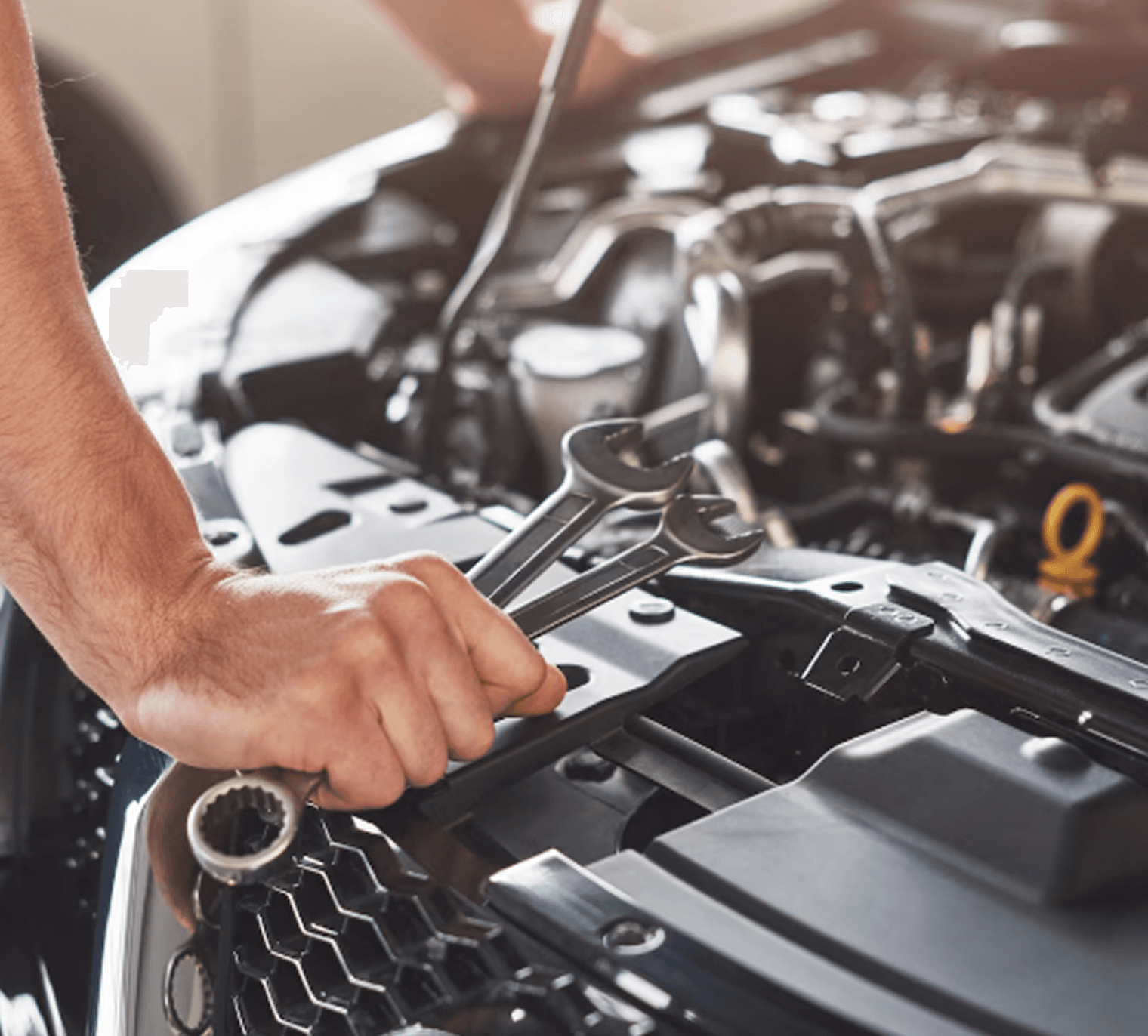
Consistent maintenance at manufacturer-recommended intervals has a far greater impact on long-term reliability than the age of the car alone. A well-maintained used car can be more dependable than a neglected new one, making maintenance history one of the most important factors to check regardless of which option you choose.
- Scheduled Maintenance Impact: Following manufacturer-recommended service intervals significantly reduces the likelihood of major mechanical failure over time.
- Neglect Risk: A new car that's poorly maintained can become less reliable over time than an older, well cared-for used car.
- Consistency Over Age: Reliability outcomes are more strongly linked to consistent care than to the calendar age of the vehicle.
Does Service History Improve Long-Term Dependability?
A complete, documented service history is one of the strongest indicators of long-term dependability for a used car, since it shows components have been checked and replaced at appropriate intervals. Cars with patchy or missing service records carry a higher risk of undiagnosed wear, regardless of how reliable the model is generally considered to be.
- Documented Service Records: A stamped service book or digital service history provides evidence that maintenance has genuinely taken place at the right intervals.
- Gaps in History: Long unexplained gaps in service records suggest a higher risk of undiagnosed wear or deferred maintenance.
- Model Reputation Versus Individual History: Even a model with a strong reliability reputation can carry hidden risk if its individual service history is incomplete.
Which Vehicles Experience Fewer Unexpected Repairs?
Vehicles with full service history, moderate mileage for their age, and a model reputation for dependability tend to experience fewer unexpected repairs, whether new or used. Reliability data from independent surveys and owner reviews can help identify which specific makes and models are statistically less prone to issues.
- Full Service History Vehicles: Cars with a complete, verifiable maintenance record are statistically less likely to experience sudden, unexpected repairs.
- Moderate Mileage for Age: Vehicles with mileage that's proportionate to their age tend to show fewer signs of premature wear than unusually high-mileage examples.
- Independently Rated Reliable Models: Checking independent reliability surveys helps identify specific makes and models with consistently lower fault rates.
Which Option Provides Better Warranty Protection?
Warranty cover is one of the clearest practical differences between new and used cars, directly affecting financial exposure if something goes wrong. This section outlines what buyers can typically expect from each option.
- Manufacturer Warranty: New cars come with a full, unused manufacturer warranty covering a set number of years from registration.
- Used Car Warranty Options: Used cars may retain partial manufacturer cover or rely on dealer or third-party warranty products instead.
- Approved Used Schemes: Some dealers offer approved used warranties that closely mirror the protection of a manufacturer warranty.
What Manufacturer Warranty Accompanies a New Car?
New cars come with a full manufacturer warranty, typically covering three years as standard in the UK, though some manufacturers offer considerably longer terms as a competitive incentive. This warranty covers manufacturing defects and often includes roadside assistance for its duration.
- Standard Warranty Term: Most new cars in the UK come with a three-year manufacturer warranty as the baseline industry standard.
- Extended Manufacturer Terms: Some manufacturers offer five, seven, or even longer warranty terms as a competitive differentiator.
- Included Roadside Assistance: Many new car warranties bundle in roadside assistance cover for the duration of the warranty period.
What Warranty Options Accompany Used Cars?
Used cars may retain part of their original manufacturer warranty if bought while still within that period, or come with a dealer-provided used car warranty of varying length and coverage. Independent warranty providers also offer used car cover for a monthly or annual fee, which is worth considering for cars outside any manufacturer cover.
- Remaining Manufacturer Cover: A used car bought within its original warranty period retains whatever time is left on that manufacturer warranty.
- Dealer-Provided Warranties: Many dealers include a used car warranty as standard, typically covering a shorter period than a full manufacturer term.
- Independent Warranty Providers: Third-party warranty companies offer paid cover for used cars outside any manufacturer or dealer warranty, for added peace of mind.
How Does Approved Used Warranty Differ From Manufacturer Warranty?

Approved used warranties, typically offered by franchised dealers, extend or reinstate a period of manufacturer-backed cover on a used car that has passed a specific inspection process, offering similar reassurance to buying new but at a lower price point. These generally offer stronger protection and more consistent terms than a generic third-party used car warranty.
- Manufacturer-Backed Reinstatement: Approved used schemes often reinstate manufacturer-level cover on a qualifying used car, rather than relying on a generic third-party policy.
- Inspection Requirement: Cars typically need to pass a specific multi-point inspection to qualify for approved used warranty status.
- Consistency of Terms: Approved used warranties generally offer clearer, more standardised terms than independently sourced third-party cover.
Which Option Offers Better Technology?
Technology moves quickly in the automotive industry, and this is one of the areas where new cars most clearly pull ahead — though modern used cars often carry more advanced features than buyers expect. This section breaks down the technology gap in more detail.
- Latest Safety Systems: New cars typically include the most current driver assistance and safety technology as standard.
- Modern Infotainment: New cars generally offer larger screens and more advanced smartphone integration than older used models.
- Used Car Technology Availability: Many key safety and infotainment features are now available on used cars from the last five to seven years.
Which Safety Technologies Are Commonly Available on New Cars?
New cars increasingly come with a wide range of driver assistance and safety technologies as standard, driven partly by regulatory requirements and partly by manufacturer competition. The most common systems fall under the umbrella of Advanced Driver Assistance Systems, described in more detail below.
- Standard-Fit Safety Systems: Many new cars now include driver assistance technology as standard rather than as an optional extra.
- Regulatory Requirements: Certain safety systems are becoming mandatory for new vehicle type approval in the UK and EU, accelerating their adoption.
- Competitive Differentiation: Manufacturers increasingly use advanced safety technology as a key selling point across even mid-range models.
Advanced Driver Assistance Systems (ADAS)
ADAS refers to the broader category of electronic safety systems designed to assist the driver and reduce the risk of accidents, now fitted as standard on the majority of new cars sold in the UK. These systems range from basic parking sensors to more advanced features covered in the sections below.
- Broad System Category: ADAS covers a wide range of features, from simple parking sensors to advanced automated braking and steering assistance.
- Standard Fitment Trend: The majority of new cars sold in the UK now include some form of ADAS as standard equipment.
- Accident Reduction Purpose: These systems are specifically designed to reduce the frequency and severity of road accidents.
Adaptive Cruise Control
Adaptive cruise control automatically adjusts a car's speed to maintain a safe distance from the vehicle ahead, reducing driver fatigue on motorway journeys. This feature has become increasingly common on new cars, including in mid-range trim levels rather than only top-spec models.
- Automatic Speed Adjustment: The system continuously adjusts speed to maintain a safe following distance without driver input.
- Motorway Fatigue Reduction: This feature is particularly valued for reducing driver fatigue on long motorway journeys.
- Wider Trim Availability: Adaptive cruise control is increasingly available on mid-range trims, not just flagship models.
Lane Keeping Assistance
Lane keeping assistance monitors road markings and gently corrects the steering if the car drifts out of its lane without signalling, helping to prevent accidents caused by momentary inattention. This is now a common standard feature on new cars across most manufacturers.
- Lane Marking Detection: The system uses cameras to monitor road markings and detect unintentional lane drift.
- Gentle Steering Correction: Rather than taking full control, the system typically nudges the steering to guide the car back into its lane.
- Widespread Standard Fitment: This feature has become a common standard inclusion across most new car manufacturers.
Autonomous Emergency Braking
Autonomous emergency braking automatically applies the brakes if it detects an imminent collision that the driver hasn't responded to, and is widely regarded as one of the most effective safety technologies in reducing rear-end collisions. It's increasingly a legal requirement for new vehicle type approval in the UK and EU.
- Automatic Collision Response: The system applies the brakes automatically if it detects an imminent collision the driver hasn't reacted to.
- Proven Accident Reduction: Independent studies consistently rank this among the most effective safety technologies for reducing rear-end collisions.
- Regulatory Requirement Trend: This feature is increasingly mandated for new vehicle type approval across UK and EU markets.
Which Infotainment Features Are More Common on Newer Vehicles?
Newer vehicles typically offer larger touchscreen displays, smartphone integration such as Apple CarPlay and Android Auto, and more advanced voice control systems compared to older models. These features have become a significant factor in buyer preference, sometimes influencing the choice between new and used as much as price does.
- Larger Touchscreen Displays: Newer vehicles commonly feature larger, higher-resolution central touchscreens than older equivalent models.
- Smartphone Integration: Apple CarPlay and Android Auto compatibility have become close to standard on new cars across most price points.
- Advanced Voice Control: Newer infotainment systems increasingly support more natural, conversational voice command functionality.
Which Technologies Are Now Widely Available on Modern Used Cars?
Many technologies once exclusive to new cars — smartphone integration, reversing cameras, and even some ADAS features — are now commonly found on used cars from roughly the last five to seven years. This narrows the technology gap considerably for buyers willing to consider slightly older models rather than the very latest releases.
- Smartphone Integration on Used Cars: Apple CarPlay and Android Auto are now common on used cars from the past five to seven years, not just current models.
- Reversing Cameras: This once-premium feature is now widely available on mid-range used cars from a similar age range.
- Partial ADAS Availability: Some driver assistance features have begun appearing on used cars, narrowing the safety technology gap with new models.
Which Option Delivers Better Fuel Efficiency?
Fuel efficiency affects running costs directly and varies significantly based on engine age, technology, and maintenance. This section compares how new and used cars typically perform in this area.
- Newer Engine Technology: New cars generally benefit from the latest efficiency improvements in engine design and turbocharging.
- Hybrid and Electric Availability: New cars offer greater choice of hybrid and electric options, though used examples are increasingly available too.
- Maintenance Impact on Efficiency: Proper maintenance affects fuel efficiency significantly regardless of whether the car is new or used.
Do Newer Engines Improve Fuel Economy?
Newer engines generally offer improved fuel economy due to advances in engine design, turbocharging, and emissions technology, meaning a brand-new petrol or diesel car will often be more efficient than an older equivalent model. However, the improvement varies by manufacturer and isn't automatically guaranteed across every model generation.
- Engine Design Advances: Improvements in combustion efficiency and turbocharging technology have steadily improved fuel economy in newer engines.
- Emissions Technology Impact: Modern emissions control systems are often engineered alongside efficiency improvements, benefiting fuel economy as a side effect.
- Manufacturer Variation: Efficiency gains aren't uniform across all manufacturers or model generations, so specific figures should always be checked.
How Do Hybrid and Electric Options Compare?
Hybrid and electric vehicles, more commonly available as newer models, typically offer substantially better fuel or running cost efficiency than traditional petrol or diesel cars of any age. Used hybrid and electric options are increasingly available too, offering similar efficiency benefits at a lower purchase price, though battery condition becomes an additional check for used EVs.
- Superior Running Cost Efficiency: Hybrid and electric vehicles typically offer significantly lower running costs than equivalent petrol or diesel models.
- Growing Used Availability: Used hybrid and electric vehicles are becoming increasingly common, offering similar efficiency at a reduced purchase price.
- Battery Health Consideration: Buyers of a used EV or hybrid should specifically check battery condition and remaining capacity as part of the inspection.
How Does Vehicle Maintenance Affect Fuel Efficiency?
Regular maintenance — including air filter changes, correct tyre pressure, and up-to-date servicing — has a meaningful impact on fuel efficiency regardless of a car's age. A well-maintained used car can perform close to its original efficiency figures, while a poorly maintained new car can underperform its official ratings.
- Routine Maintenance Impact: Simple tasks like air filter changes and correct tyre pressure noticeably affect a car's real-world fuel efficiency.
- Well-Maintained Used Cars: A properly serviced used car can perform close to its original manufacturer efficiency figures.
- Neglected New Cars: Even a new car can underperform its official efficiency rating if basic maintenance is neglected.
Which Option Provides Better Environmental Performance?
Environmental impact isn't limited to a car's exhaust emissions alone, and the full picture includes manufacturing impact and expected lifespan. This section looks at environmental performance from a broader perspective.
- Manufacturing Emissions: Producing a new car generates a significant carbon footprint before it's even driven.
- Extended Lifespan Benefit: Keeping a used car in service for longer spreads its manufacturing emissions across more years of use.
- Regulatory Zone Impact: ULEZ and Clean Air Zone charges can affect the practical environmental cost of running an older, higher-emission vehicle.
How Do Manufacturing Emissions Affect Environmental Impact?
Manufacturing a new car carries a significant carbon footprint before it's even driven, covering raw material extraction, production, and transportation. This upfront environmental cost is avoided entirely when buying used, since the vehicle already exists and its manufacturing impact has already occurred.
- Raw Material Extraction: Producing a new car requires extracting and processing significant quantities of raw materials, each carrying its own emissions cost.
- Production Process Emissions: The manufacturing process itself, including factory energy use, contributes substantially to a new car's total carbon footprint.
- Avoided Impact With Used Cars: Buying used avoids this upfront manufacturing footprint entirely, since the vehicle's production impact has already occurred.
How Does Extending Vehicle Lifespan Reduce Carbon Emissions?
Keeping a car in use for longer, rather than replacing it with a new model, spreads its total manufacturing emissions across more years of use, reducing the average environmental impact per year of ownership. This is one of the strongest environmental arguments in favour of buying and maintaining a used car rather than frequently upgrading to new models.
- Emissions Amortisation: Spreading a car's fixed manufacturing footprint across more years of use lowers its average annual environmental impact.
- Reduced Replacement Frequency: Keeping a used car running for longer avoids the repeated manufacturing emissions associated with frequently buying new.
- Sustainability Argument for Used Cars: This lifespan-extension effect is one of the clearest environmental cases in favour of buying and maintaining used vehicles.
Which Option Produces Lower Lifetime Emissions?
The answer depends on the balance between manufacturing emissions and running emissions: a used petrol or diesel car may have lower total lifetime emissions than a new one if it avoids a fresh manufacturing footprint, but a new hybrid or electric vehicle can offset its manufacturing impact through significantly lower running emissions over time. There's no single universal answer, and it depends on the specific vehicles being compared.
- Used Petrol or Diesel Advantage: Avoiding a fresh manufacturing footprint can give a used conventional car a lower total lifetime emissions figure in some comparisons.
- New Hybrid or Electric Advantage: A new hybrid or electric vehicle can offset its manufacturing emissions over time through significantly lower running emissions.
- Case-by-Case Comparison: The correct answer depends on the specific vehicles, fuel types, and expected mileage being compared rather than a universal rule.
How Do ULEZ and Clean Air Zone Regulations Affect Vehicle Choice?
Ultra Low Emission Zones and Clean Air Zones in UK cities charge older, higher-emission vehicles a daily fee to enter certain areas, which can make an otherwise attractive used car more expensive to run if it doesn't meet the required emissions standard. Checking a specific vehicle's compliance before buying is essential for anyone regularly driving into an affected zone.
- Daily Zone Charges: Non-compliant vehicles entering ULEZ or Clean Air Zones face a daily fee, adding a hidden ongoing cost to certain used cars.
- Emissions Standard Thresholds: Compliance is typically based on meeting specific Euro emissions standards rather than a simple age cut-off.
- Pre-Purchase Compliance Checks: Buyers regularly driving into affected zones should verify a specific vehicle's compliance status before committing to purchase.
Which Option Offers More Choice?

Choice extends beyond simply new versus used, covering model variety, customisation, and how quickly a car can be acquired. This section compares the breadth of options each route provides.
- Model Variety: Used cars offer access to every model year and specification a manufacturer has ever produced.
- Customisation Options: New cars allow buyers to specify exact trim, colour, and optional extras from the factory.
- Availability Speed: Used cars are typically available immediately, while new cars can involve a factory lead time.
Do Used Cars Provide Greater Model Variety?

Used cars offer considerably greater model variety, since the used market includes every model year, trim, and specification a manufacturer has ever produced, rather than just the current range. This makes it easier to find a specific combination of features, colour, or even a discontinued model that's no longer available new.
- Access to Every Model Year: The used market spans every generation and trim level a manufacturer has ever released, not just the current lineup.
- Discontinued Model Access: Buyers can find discontinued models on the used market that are no longer produced or sold new at all.
- Specific Specification Matching: A wider used market makes it easier to find a precise combination of features, colour, and trim.
Do New Cars Offer Greater Customisation?
New cars typically offer greater customisation, since buyers can specify exact trim levels, colours, optional extras, and sometimes even factory-fitted modifications when ordering. Used cars are limited to whatever configuration the original buyer chose, which may not perfectly match a new buyer's preferences.
- Factory Specification Control: Ordering new allows a buyer to select exact trim, colour, and optional extras from the factory.
- Factory-Fitted Modifications: Some manufacturers allow specific factory-fitted modifications or packages only available when ordering new.
- Fixed Used Car Configuration: A used car's specification is fixed to whatever the original buyer selected, which may not match a new buyer's preferences.
Which Option Provides Faster Availability?
Used cars generally offer faster availability, since they're ready to drive away immediately from a dealer forecourt or private seller, whereas a new car ordered to a specific specification can involve a factory lead time of several weeks or months. Buyers who need a car quickly often find used options considerably more practical.
- Immediate Used Car Availability: A used car can typically be driven away the same day it's purchased, subject to paperwork and insurance.
- New Car Factory Lead Times: Ordering a new car to a specific specification can involve a wait of several weeks or months for factory production.
- Practicality for Urgent Needs: Buyers needing a replacement vehicle quickly are generally better served by the immediate availability of a used car.
Which Option Is Easier to Finance?
Financing structures and eligibility can differ between new and used car purchases, affecting which option is more accessible for different buyers. This section outlines the main considerations.
- New Car Finance Products: New cars are commonly financed via PCP or HP agreements, often supported by manufacturer incentives.
- Used Car Finance Products: Used cars are typically financed via HP agreements or personal loans through a wider range of lenders.
- Interest Rate Differences: Interest rates can be lower on new car finance due to manufacturer subsidies, though this varies by lender.
Which Finance Products Are Available for New Cars?
New cars are commonly financed through Personal Contract Purchase (PCP) or Hire Purchase (HP) agreements, often supported by manufacturer-backed incentives such as 0% APR offers or deposit contributions. These schemes can make new cars more financially accessible than their headline price suggests, particularly for buyers who plan to change cars every few years.
- PCP Agreements: Personal Contract Purchase allows lower monthly payments with a final optional payment to own the car outright.
- HP Agreements: Hire Purchase spreads the full purchase price across the term, with ownership transferring once the final payment is made.
- Manufacturer Incentives: 0% APR offers and deposit contributions are common on new cars, reducing the effective cost of finance.
Which Finance Products Are Available for Used Cars?
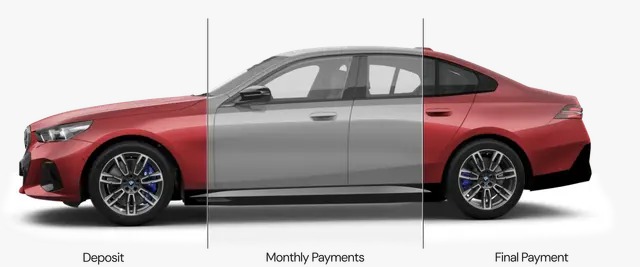
Used cars are typically financed through HP agreements or used-car-specific PCP deals via dealers, alongside personal loans arranged independently through banks or specialist lenders. The range of lenders is often wider for used cars, giving buyers more room to shop around for competitive rates.
- Dealer HP and PCP Deals: Used car dealers commonly offer HP agreements and used-car-specific PCP deals structured around the vehicle's value.
- Independent Personal Loans: Many buyers finance used cars through personal loans arranged directly with banks or specialist lenders, independent of the dealer.
- Wider Lender Choice: The range of lenders willing to finance used cars is generally broader, giving buyers more room to compare rates.
How Do Interest Rates Compare?
Interest rates on new car finance are sometimes lower due to manufacturer-subsidised offers, while used car finance rates can be marginally higher, particularly for older vehicles or borrowers with a less established credit history. It's worth comparing the total cost of finance, not just the advertised interest rate, across both options.
- Manufacturer-Subsidised Rates: New car finance can benefit from artificially reduced interest rates subsidised directly by the manufacturer.
- Age-Related Rate Increases: Interest rates on used car finance can rise slightly for older vehicles, reflecting increased lender risk.
- Total Cost Comparison: Comparing the total repayable amount, rather than just the advertised rate, gives a clearer picture of true finance cost.
Which Buyers Qualify More Easily for Finance?
Buyers with strong credit histories and stable incomes generally qualify easily for either new or used car finance, but those with limited credit history or lower incomes may find used car finance more accessible due to the lower amount being borrowed. Lower monthly repayments on used car finance can also make approval more likely for budget-conscious applicants.
- Strong Credit Applicants: Buyers with an established credit history typically qualify easily for finance on either new or used cars.
- Limited Credit History Applicants: Buyers with limited credit history may find used car finance more accessible due to the smaller amount being borrowed.
- Lower Repayment Approval Odds: Lower monthly repayments associated with used car finance can improve approval chances for budget-conscious applicants.
Which Option Holds Value Better?
Resale value is closely tied to depreciation but also depends on specific brand and model factors. This section looks at which vehicles hold value most effectively over time.
- Slowest-Depreciating Vehicles: Popular, reliable models in common specifications tend to hold value best on the used market.
- Brand Reputation Impact: Certain manufacturers consistently retain resale value better than others.
- Mileage Influence: Higher mileage generally reduces resale value, though maintenance history can offset this to some extent.
Which Vehicles Experience the Slowest Depreciation?
Vehicles from brands with strong reputations for reliability and desirability, along with popular models in high demand on the used market, tend to experience the slowest depreciation. Practical, well-reviewed models in common colours and specifications generally retain value better than niche or unusually specified vehicles.
- High-Demand Popular Models: Vehicles with strong ongoing demand in the used market typically depreciate more slowly than less popular alternatives.
- Reliability Reputation: Brands known for dependability tend to hold value better, since buyers place a premium on lower expected running costs.
- Common Specification Advantage: Practical, commonly specified models in popular colours generally retain value better than unusually specified vehicles.
Which Brands Retain Resale Value Most Effectively?
Certain manufacturers, particularly those known for reliability and strong resale demand such as Toyota and some premium German brands, consistently retain value more effectively than others across the used market. Checking independent depreciation data for specific models is more reliable than assuming brand reputation alone determines resale value.
- Reliability-Led Brands: Manufacturers with strong reliability reputations, such as Toyota, often show consistently slower depreciation across their range.
- Premium Brand Demand: Certain premium brands retain strong resale demand due to perceived quality and desirability in the used market.
- Model-Specific Data Over Brand Assumptions: Independent depreciation data for a specific model is more reliable than relying on general brand reputation alone.
How Does Mileage Influence Future Resale Value?
Higher mileage generally reduces a car's resale value, since buyers associate more miles with greater wear and a shorter remaining lifespan before major components need attention. However, a well-maintained higher-mileage car with full service history can still hold value better than a lower-mileage example with a patchy maintenance record.
- Wear Association: Buyers generally associate higher mileage with greater accumulated wear, reducing perceived resale value.
- Remaining Lifespan Perception: Higher mileage suggests a shorter remaining lifespan before major components require attention, affecting buyer confidence.
- Maintenance Offsetting Mileage: A well-documented service history can offset some of the value impact of higher mileage compared to a poorly maintained low-mileage car.
Which Drivers Benefit Most From Buying a New Car?
Certain driving patterns and priorities make a new car purchase more worthwhile despite the higher upfront cost. This section identifies who tends to benefit most.
- High-Mileage Drivers: Benefit from full warranty cover and improved fuel efficiency that offset the wear from higher annual mileage.
- Company Car Users: Benefit from favourable tax treatment and reliability suited to business use.
- Technology-Focused Drivers: Benefit from access to the newest safety and infotainment features available.
Does a New Car Suit High-Mileage Drivers?
High-mileage drivers can benefit from a new car's full warranty cover, which offsets the higher risk of wear-related issues that comes with covering more miles per year. The latest fuel-efficient engines can also meaningfully reduce running costs for drivers covering significant annual distances.
- Warranty Offsetting Wear Risk: Full manufacturer warranty cover helps offset the increased wear-related risk that comes with high annual mileage.
- Fuel Efficiency Savings: The latest engine technology can meaningfully reduce running costs for drivers covering significant annual distances.
- Reduced Early Repair Exposure: High-mileage drivers benefit particularly from avoiding early repair costs during a new car's warranty period.
Does a New Car Suit Company Car Users?
Company car users often benefit from new cars due to favourable Benefit-in-Kind tax treatment on lower-emission models, alongside the reliability and warranty cover that suits business use. Many company car schemes are also structured around new vehicle leasing rather than used car ownership.
- Favourable BiK Tax Treatment: Lower-emission new cars often attract more favourable Benefit-in-Kind tax rates for company car users.
- Business-Suited Reliability: The warranty cover and dependability of a new car suit the demands of regular business use.
- Leasing Scheme Structure: Many company car schemes are specifically structured around new vehicle leasing rather than used car ownership.
Does a New Car Suit Drivers Seeking the Latest Technology?
Drivers who prioritise the newest safety features, infotainment systems, and driver assistance technology are naturally better served by a new car, since these features are typically introduced first on current model ranges. Waiting for this technology to filter down to the used market can take several years.
- First Access to New Features: The newest safety and infotainment technology is typically introduced first on current new model ranges.
- Delayed Used Market Availability: It can take several years for cutting-edge technology to become common on the used car market.
- Priority on Latest Systems: Drivers who specifically prioritise having the newest available technology are better served by buying new.
Does a New Car Suit Buyers Planning Long-Term Ownership?
Buyers planning to keep a car for many years can benefit from starting with a new vehicle, spreading the steep early depreciation over a longer ownership period and maximising the value gained from the full manufacturer warranty. This reduces the relative impact of the higher upfront cost across a longer timeframe.
- Depreciation Spread Over Time: A longer ownership period spreads the steep early depreciation of a new car across more years of use.
- Maximised Warranty Value: Long-term owners gain the full benefit of a new car's manufacturer warranty rather than only part of it.
- Reduced Relative Cost Impact: Spreading the higher upfront cost of a new car over many years reduces its relative annual impact.
Which Drivers Benefit Most From Buying a Used Car?
Just as certain drivers suit new cars, others are better served by the value and flexibility used cars provide. This section outlines who typically benefits most from buying used.
- First-Time Buyers: Benefit from lower purchase prices and reduced insurance costs while building driving experience.
- Budget-Conscious Households: Benefit from lower purchase prices and slower depreciation that free up budget elsewhere.
- Families: Benefit from being able to afford more space or features for the same budget as a smaller new car.
Does a Used Car Suit First-Time Buyers?
First-time buyers often benefit from a used car's lower purchase price and reduced insurance costs, both of which ease the financial pressure of a first vehicle purchase. Used cars also allow new drivers to build experience without the added financial stress of steep new car depreciation.
- Lower Entry Cost: A used car's lower purchase price makes vehicle ownership more accessible for first-time buyers.
- Reduced Insurance Premiums: Insurance costs for first-time or newly licensed drivers are often lower on a used car than an equivalent new model.
- Reduced Depreciation Stress: New drivers avoid the added financial pressure of steep new car depreciation while building driving experience.
Does a Used Car Suit Budget-Conscious Households?
Budget-conscious households typically benefit from the lower purchase price, reduced insurance premiums, and slower depreciation that used cars offer, freeing up budget for other household priorities. This makes used cars a practical choice where affordability is the primary consideration.
- Lower Overall Spend: The combined savings on purchase price, insurance, and depreciation free up household budget for other priorities.
- Predictable Ongoing Costs: Slower depreciation on a used car makes long-term household budgeting more predictable.
- Affordability-First Priority: Used cars suit households where affordability is the primary consideration ahead of having the newest model.
Does a Used Car Suit Families?
Families often benefit from a used car's ability to provide more space, practicality, or specific features — such as a larger boot or additional seating — for a lower price than an equivalent new model. This can make a higher trim level or larger vehicle class more accessible on a fixed family budget.
- Greater Space for the Budget: A used car often allows families to access a larger vehicle class than they could afford new.
- Practical Feature Access: Features like additional seating or a larger boot become more accessible on a used family car within the same budget.
- Higher Trim Accessibility: Buying used can make higher trim levels, with more family-friendly equipment, affordable within a fixed budget.
Does a Used Car Suit Occasional Drivers?
Occasional drivers, who cover lower annual mileage, are well suited to used cars since the reduced usage lessens concerns about wear, and the slower depreciation of a used vehicle matters less if the car will be kept for a shorter period regardless. The lower upfront cost also better matches the reduced value gained from infrequent use.
- Reduced Wear Concerns: Lower annual mileage lessens the practical impact of buying a car that already has some wear.
- Lower Relative Depreciation Impact: Slower used car depreciation matters less to occasional drivers who may keep the car for a shorter period regardless.
- Cost Matched to Usage: A lower upfront cost better matches the reduced value gained from infrequent use of the vehicle.
Does a Used Car Suit Buyers Seeking Premium Models at Lower Prices?
Buyers who want a premium or luxury model but can't justify the new price often find used cars the most practical route, since these vehicles typically depreciate faster in percentage terms than mainstream models. This can make a used premium car more affordable than an equivalent new mainstream model in some cases.
- Faster Percentage Depreciation on Premium Models: Premium and luxury vehicles often depreciate faster in percentage terms, making used examples considerably more accessible.
- Access to Premium Features: Buying used allows access to premium badge features and specification that would otherwise be unaffordable new.
- Comparable Cost to Mainstream New Models: A used premium car can sometimes cost similarly to, or less than, an equivalent new mainstream model.
Which Factors Matter Most Before Choosing Between New and Used Cars?
Beyond the general comparisons covered in this guide, a handful of personal factors should ultimately drive the final decision. This section highlights the questions worth answering before committing either way.
- Available Budget: Determines whether a new car is realistically affordable or a used car better fits available funds.
- Annual Mileage: Influences whether warranty cover or lower upfront cost matters more for a given driving pattern.
- Ownership Period: Affects how depreciation and warranty value are distributed across the time the car is kept.
How Does Your Available Budget Influence the Decision?
Available budget is often the deciding factor, since it determines whether a new car is realistically affordable or whether a used car better matches what can be spent without relying heavily on finance. Considering total cost of ownership, not just the purchase price, gives a more accurate picture of true affordability.
- Realistic Affordability Assessment: Budget determines whether a new car purchase is genuinely affordable or would rely heavily on extended finance.
- Total Cost of Ownership Focus: Considering insurance, servicing, and depreciation together gives a more accurate affordability picture than purchase price alone.
- Finance Reliance Consideration: A tighter budget generally favours a used car to avoid excessive reliance on long-term finance agreements.
How Does Annual Mileage Affect the Choice?
High annual mileage can favour a new car due to warranty cover and improved fuel efficiency offsetting faster wear, while lower annual mileage often favours a used car since the reduced usage limits the practical benefit of paying for an unused vehicle's full lifespan. Matching mileage expectations to the right option avoids paying for capacity you won't use.
- High-Mileage Preference for New: Warranty cover and fuel efficiency gains can justify a new car's higher cost for high-mileage drivers.
- Low-Mileage Preference for Used: Lower mileage reduces the practical benefit of paying for a vehicle's entire unused lifespan.
- Matching Capacity to Usage: Aligning mileage expectations with the right option avoids overpaying for capacity that won't be used.
How Does Intended Ownership Period Affect Value?
A longer intended ownership period tends to favour new cars, since the steep early depreciation is spread over more years, while a shorter ownership period generally favours used cars, which retain value more predictably over a similar timeframe. Buyers planning to change cars frequently should weigh depreciation losses carefully regardless of which option they choose.
- Long-Term Ownership Favouring New: Spreading a new car's steep early depreciation over many years reduces its relative annual cost impact.
- Short-Term Ownership Favouring Used: Used cars retain value more predictably over a shorter ownership period, reducing resale risk.
- Frequent Change Consideration: Buyers changing cars often should weigh depreciation losses carefully, regardless of whether they choose new or used.
How Do Maintenance Expectations Influence the Decision?
Buyers who want minimal maintenance concerns during the first few years may prefer a new car's warranty cover, while those comfortable managing maintenance themselves, or budgeting for it, may find a used car's lower purchase price outweighs the added maintenance responsibility. This largely comes down to personal risk tolerance and mechanical confidence.
- Warranty-Backed Peace of Mind: Buyers wanting minimal maintenance concerns often prefer the reassurance of a new car's warranty cover.
- Confident Self-Managed Maintenance: Buyers comfortable managing or budgeting for maintenance themselves may prioritise a used car's lower purchase price instead.
- Personal Risk Tolerance: This decision ultimately depends on individual comfort with mechanical risk and willingness to manage unexpected repair costs.
How Does Depreciation Tolerance Affect the Purchase?
Buyers who are sensitive to losing value quickly are generally better served by a used car, since it avoids the steepest part of the depreciation curve entirely. Those less concerned with resale value, perhaps because they plan to keep the car for many years, may be more comfortable accepting the depreciation that comes with buying new.
- Depreciation-Sensitive Buyers: Buyers concerned about rapid value loss are generally better served by a used car that avoids the steepest depreciation period.
- Long-Term Owners' Tolerance: Buyers planning to keep a car for many years may be more comfortable accepting a new car's early depreciation.
- Resale Value Priority: How much resale value matters to a buyer directly shapes whether new or used depreciation risk is more acceptable.
How Do New and Used Cars Compare Across Key Buying Factors?
The table below compares the most important ownership factors between new and used cars.
| Comparison Factor | New Cars | Used Cars |
|---|---|---|
| Purchase Price | Lower affordability | Higher affordability |
| Depreciation | Highest during early ownership | Slower depreciation |
| Insurance | Generally higher | Often lower |
| Warranty | Full manufacturer warranty | Dealer or approved used warranty |
| Technology | Latest features | Varies by model year |
| Running Costs | Lower repair frequency | Lower purchase cost but maintenance varies |
| Finance | Manufacturer incentives available | Wider lender choice |
| Availability | Factory order or stock | Immediate availability |
| Vehicle Choice | Current models only | Wider model selection |
| Resale Value | Faster early depreciation | More stable retained value |
- Cost-Focused Factors: Purchase price, depreciation, and insurance consistently favour used cars for buyers prioritising affordability.
- Assurance-Focused Factors: Warranty and technology consistently favour new cars for buyers prioritising cover and the latest features.
- Flexibility-Focused Factors: Availability and vehicle choice generally favour used cars for buyers wanting immediate access to a wide range of models.
Which Common Myths About New and Used Cars Cause Confusion?
Several long-standing assumptions about new and used cars don't hold up well against current market realities. This section addresses the most persistent myths directly.
- Reliability Myths: The assumption that used cars are automatically unreliable overlooks the greater importance of maintenance history.
- Maintenance Cost Myths: The belief that new cars are always cheaper to maintain ignores costs that rise once warranty cover ends.
- Mileage Myths: The assumption that all used cars have high mileage overlooks the wide range of ages and mileages in the used market.
Are Used Cars Always Unreliable?
Used cars are not inherently unreliable; reliability depends far more on maintenance history, mileage, and how well a specific car has been looked after than on its age alone. Many used cars with strong service records perform just as dependably as new equivalents.
- Maintenance Over Age: Reliability outcomes depend far more on documented maintenance history than on the vehicle's age category.
- Strong Service Record Performance: Used cars with complete service histories frequently perform just as dependably as comparable new models.
- Individual Assessment Needed: Reliability should always be assessed on a car-by-car basis rather than assumed from its used status alone.
Are New Cars Always Cheaper to Maintain?
New cars are often cheaper to maintain during the manufacturer warranty period, but this isn't guaranteed once that cover expires, at which point servicing and repair costs can become comparable to, or even higher than, a well-maintained used car. Assuming new always means cheaper maintenance overlooks this shift over time.
- Warranty-Period Savings: Maintenance costs are genuinely lower on a new car while manufacturer warranty cover remains active.
- Post-Warranty Cost Shift: Once warranty cover ends, new car maintenance costs can rise to levels comparable with, or above, a well-maintained used car.
- Time-Dependent Assumption: The "new cars are cheaper to maintain" assumption only reliably holds true during the active warranty period.
Do All Used Cars Have High Mileage?
Not all used cars have high mileage; the used market includes everything from nearly-new, low-mileage vehicles sold within a year or two of registration to older, higher-mileage examples. Mileage should always be assessed individually rather than assumed based on a car simply being classed as "used."
- Nearly New Low-Mileage Options: The used market includes vehicles just one or two years old with very low recorded mileage.
- Wide Mileage Range: Used cars span the full spectrum from low mileage to high mileage, depending on the individual vehicle's history.
- Individual Verification Required: Mileage should always be checked individually rather than assumed based on a car's general used classification.
Do Modern Used Cars Include Advanced Safety Technology?
Many modern used cars, particularly those from the last five to seven years, do include a meaningful level of advanced safety technology such as autonomous emergency braking and lane keeping assistance. This closes much of the technology gap that buyers might otherwise assume exists between new and used options.
- Recent Used Car Technology: Used cars from the past five to seven years often include meaningful safety technology such as automatic emergency braking.
- Narrowing Technology Gap: This availability closes much of the perceived technology gap between new and slightly older used vehicles.
- Model Year Dependent Features: Specific safety features vary by model year, so checking individual specification remains important.
Does Buying New Always Provide Better Value?
Buying new doesn't always provide better value, since the steep early depreciation and higher purchase price can outweigh the benefits of warranty cover and the latest technology, particularly for buyers who don't need the newest features or plan to sell within a few years. Value depends heavily on individual circumstances rather than being universally better for one option.
- Depreciation Outweighing Benefits: Steep early depreciation can outweigh the value of warranty cover and new technology for many buyers.
- Circumstance-Dependent Value: Whether new or used offers better value depends heavily on individual budget, mileage, and ownership plans.
- No Universal Answer: Neither option is objectively better in every situation, making personal circumstances the deciding factor.
What Are the Most Frequently Asked Questions About New vs Used Cars?
This section answers some of the most common questions buyers ask when weighing up a new versus used car purchase.
- Financial Smartness: Whether a used car is financially smarter generally depends on depreciation, maintenance costs, and how long the car is kept.
- Ideal Used Car Age: Cars around two to four years old often balance depreciation savings against remaining warranty cover well.
- Nearly New Value: Nearly new cars can capture much of the benefit of buying new at a reduced price due to first-year depreciation.
Is Buying a Used Car Financially Smarter?
For most buyers, a used car is financially smarter due to slower depreciation and a lower purchase price, though this depends on maintenance costs and how long the car is kept. Buyers accessing strong manufacturer finance incentives on new cars may find the gap smaller than expected.
- Slower Depreciation Advantage: Used cars generally offer stronger financial value due to avoiding the steepest depreciation period.
- Maintenance Cost Dependency: The financial advantage of buying used can be reduced if maintenance costs turn out to be higher than expected.
- Incentive-Narrowed Gap: Strong manufacturer finance incentives on new cars can narrow the financial gap compared to buying used.
How Old Should a Used Car Be?
There's no universally "correct" age, but cars around two to four years old often represent a strong balance between having already absorbed the steepest depreciation and still retaining a reasonable amount of remaining manufacturer warranty or approved used cover.
- Two-to-Four-Year Sweet Spot: This age range typically balances having absorbed steep depreciation against still retaining useful warranty cover.
- Depreciation Already Absorbed: Cars in this range have already passed through the sharpest part of their depreciation curve.
- Remaining Warranty Consideration: Cars in this age bracket often still carry some manufacturer or approved used warranty cover.
Is Nearly New Better Than Brand New?
Nearly new cars — typically under a year old with very low mileage — often offer much of the benefit of buying new, including recent technology and remaining warranty, at a noticeably reduced price due to the first-year depreciation having already occurred.
- Retained New-Car Benefits: Nearly new cars typically retain recent technology and most of their original manufacturer warranty.
- First-Year Depreciation Savings: Buyers benefit from the steepest depreciation drop having already occurred before purchase.
- Low Mileage Assurance: Nearly new cars usually carry very low mileage, closely resembling the condition of a brand-new vehicle.
Which Option Depreciates Less?
Used cars depreciate less in both percentage and absolute terms going forward, since they've already passed through the steepest part of the depreciation curve that new cars experience in their first few years.
- Lower Percentage Depreciation: Used cars lose a smaller percentage of their value annually compared to new cars in their early years.
- Lower Absolute Value Loss: The actual cash value lost per year is typically smaller for a used car than for an equivalent new model.
- Past the Steepest Curve: This advantage exists because used cars have already moved beyond the sharpest depreciation period.
Which Option Costs Less to Insure?
Used cars generally cost less to insure due to their lower replacement value, though this varies by specific make, model, and the driver's own profile rather than being guaranteed in every case.
- Lower Replacement Value: Insurers generally charge less to cover a used car's lower overall replacement value.
- Model-Specific Exceptions: Certain used models, particularly performance or specialist vehicles, can still carry high insurance costs regardless of age.
- Driver Profile Influence: The driver's own profile, including age and claims history, remains a significant factor regardless of vehicle age.
Which Option Lasts Longer?
With proper maintenance, both new and used cars of good quality can last a similar number of years in total, since a used car's remaining lifespan simply continues from wherever it currently stands rather than starting over from zero.
- Comparable Total Lifespan: Well-built, well-maintained vehicles of either type can achieve similar total lifespans with proper care.
- Continuation Rather Than Restart: A used car's remaining lifespan simply continues from its current condition rather than starting fresh.
- Maintenance as the Deciding Factor: Consistent maintenance has a greater influence on total lifespan than whether the car was bought new or used.
Which Option Is Easier to Finance?
Both options are generally easy to finance, though new cars sometimes benefit from manufacturer-subsidised rates, while used cars typically involve lower monthly payments due to the smaller amount being borrowed.
- New Car Rate Advantage: Manufacturer-subsidised finance rates can make new car borrowing costs artificially competitive.
- Used Car Repayment Advantage: Lower amounts borrowed on used cars generally result in lower monthly repayments overall.
- General Accessibility: Both new and used car finance are widely accessible to buyers with a reasonable credit profile.
Which Option Suits First-Time Buyers?
Used cars typically suit first-time buyers best, thanks to lower purchase prices, reduced insurance costs, and a gentler introduction to car ownership costs overall.
- Lower Financial Barrier: A used car's lower purchase price makes initial car ownership more financially accessible.
- Reduced Insurance Burden: Insurance costs are generally more manageable for first-time buyers choosing a used car.
- Gentler Ownership Introduction: Overall running costs on a used car offer a gentler introduction to the responsibilities of car ownership.
Which Option Matches Your Driving Needs?
Ultimately, the right choice comes down to matching the car to your specific circumstances rather than following a general rule. This section pulls the guide's themes together around your own driving needs.
- Budget Match: A limited budget generally suits a used car, while a higher budget or finance incentive access suits new.
- Driving Habit Match: High-mileage, warranty-reliant driving suits new cars, while lower-mileage driving suits used cars.
- Ownership Plan Match: Long-term ownership plans suit new cars, while shorter ownership periods suit used cars.
Which Option Suits Your Budget?
If your budget is limited or you'd prefer to avoid a large loan, a used car generally suits better; if you have a higher budget or access to strong finance incentives, a new car becomes more comparably affordable.
- Limited Budget Fit: A used car suits buyers wanting to avoid a large loan or extended finance commitment.
- Higher Budget Flexibility: A larger available budget makes a new car's higher upfront cost more comfortably absorbed.
- Incentive Access: Access to strong manufacturer finance incentives can make new cars more comparably affordable than expected.
Which Option Suits Your Driving Habits?
High-mileage, warranty-reliant drivers often suit new cars, while lower-mileage or occasional drivers frequently get better value from a used car that matches their more modest usage.
- High-Mileage Fit: Drivers covering significant annual mileage often benefit most from a new car's warranty cover and efficiency.
- Low-Mileage Fit: Occasional or lower-mileage drivers generally get better relative value from a used car matched to modest usage.
- Usage-Cost Alignment: Matching the vehicle option to actual driving habits avoids overpaying for capacity that won't be used.
Which Option Suits Your Long-Term Ownership Plans?
Buyers planning to keep a car for many years can justify a new car's higher upfront cost over time, while those expecting to change cars more frequently generally benefit from a used car's slower depreciation curve.
- Long-Term Ownership Fit: A new car's higher upfront cost becomes easier to justify when spread across many years of ownership.
- Frequent Change Fit: Buyers expecting to change cars regularly generally benefit more from a used car's slower depreciation.
- Depreciation Timing Alignment: Matching the vehicle option to expected ownership length helps minimise the impact of depreciation.
Which Option Offers the Best Overall Value?
The best overall value depends on weighing purchase price, depreciation, running costs, and warranty needs together rather than focusing on any single factor — for most budget-conscious buyers, a well-maintained used car with full service history offers the strongest all-round value.
- Combined Factor Assessment: True value comes from weighing purchase price, depreciation, running costs, and warranty together, not any single factor alone.
- Used Car Value Strength: A well-maintained used car with full service history typically offers the strongest all-round value for budget-conscious buyers.
- New Car Value Scenarios: New cars offer the best value specifically for buyers prioritising warranty cover, technology, or long-term ownership.
Conclusion
There's no single answer that applies to every driver, but for most buyers a used car — particularly one that's a few years old with a full service history — offers the strongest overall balance between affordability, retained value, and reasonable running costs. New cars still make sense for drivers who value the latest technology, need full warranty cover for high mileage, or can access manufacturer finance incentives that narrow the cost gap. The right decision comes down to matching your budget, mileage, and ownership plans against the trade-offs covered throughout this guide, rather than assuming one option is objectively better in every situation.
- Used Cars for Overall Balance: A well-documented used car generally offers the strongest all-round balance of affordability, value, and running costs.
- New Cars for Specific Priorities: New cars remain the right choice for drivers specifically prioritising warranty cover, technology, or high mileage.
- Personalised Decision-Making: The final decision should be based on individual budget, mileage, and ownership plans rather than a generic rule.
How Can Car-Planet.co.uk Help You Compare Quality Used Vehicles With Confidence?

Car-Planet.co.uk makes the used car side of this comparison easier by ensuring every vehicle in its inventory has passed a comprehensive 150+ point inspection before it's ever listed for sale, backed by a quality guarantee for genuine peace of mind. With flexible finance options, competitive part exchange, and a 14-day money-back guarantee on eligible distance sales, buyers can weigh a used car against a new one knowing the usual uncertainties of the used market have already been addressed on their behalf.
- 150+ Point Inspection: Every used vehicle in our inventory undergoes a comprehensive pre-purchase 150+ inspection points to ensure reliability and performance, with peace of mind coming as standard through our quality guarantee.
- Flexible Finance & Part Exchange: Spread the cost with tailored finance options or trade in your current vehicle with our competitive part exchange service.
- Buy With Confidence: Reserve your chosen car online for just £99 (refundable), benefit from our 14-day money-back guarantee on eligible distance sales, and enjoy 12 months of roadside assistance for added peace of mind.